The Vatican has announced the schedule for an Extraordinary Consistory of Cardinals, led by Pope Leo XIV, to address pressing global issues and the future of the Church.
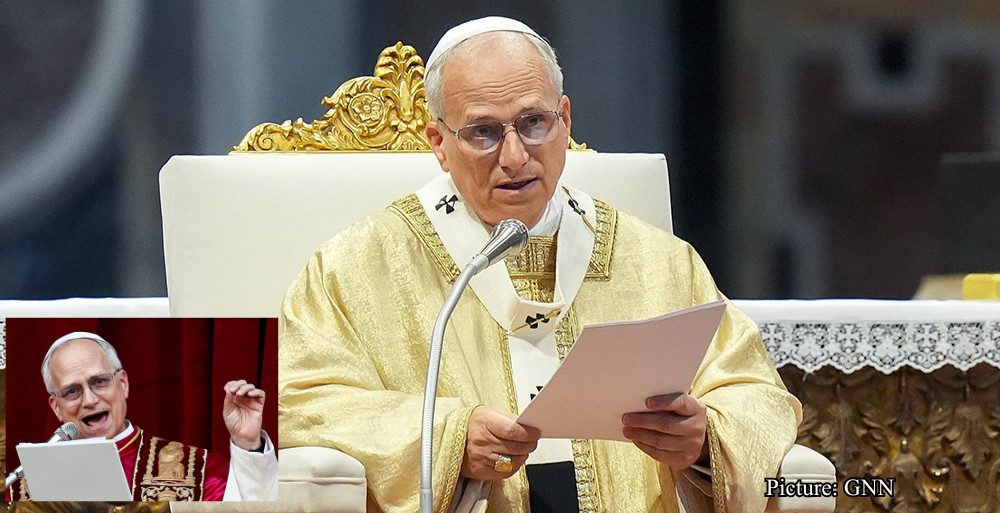
The Vatican has officially announced that Pope Leo XIV will convene an Extraordinary Consistory with the College of Cardinals on June 26-27, 2024. This pivotal meeting, scheduled just prior to the Solemnity of Sts. Peter and Paul, aims to address significant challenges facing both the Church and the world, including the pursuit of peace and the implementation of ongoing synodal efforts.
Context of the Consistory
This Consistory marks the second such gathering during Pope Leo XIV’s papacy, following an earlier meeting held in January 2024 that brought together 170 Cardinal electors and non-electors from around the globe. The January assembly had a focus on the role of the Church in contemporary society, and at its conclusion, Pope Leo XIV underscored the importance of collaboration with the Cardinals, stating, “I feel and experience the need to be able to count on you.” This sentiment reflects the Pope’s commitment to fostering a united approach to the many issues confronting the Church.
The announcement of the June Consistory comes at a time when the Catholic Church, like many institutions worldwide, grapples with a range of complex issues, including geopolitical conflicts, social inequalities, and internal struggles over doctrine and governance. The upcoming meeting is expected to foster dialogue around these topics, reinforcing the Church’s role as a mediator and advocate for peace.
Structure and Format of the Consistory
The structure of the Consistory will follow a synodal method, designed to encourage prayer, personal reflection, and collective discussion. Participants are instructed to maintain confidentiality regarding the discussions that occur, which aims to create an environment conducive to open and fraternal dialogue among the Cardinals.
For the sessions, Cardinals will be organized into 20 groups. Nine of these groups will comprise Cardinal electors who are Ordinaries, including Apostolic Nuncios and other Cardinal electors who have completed their service as Ordinaries. The remaining eleven groups will include Cardinal electors from the Roman Curia and non-elector Cardinals. Each group will be led by a president, responsible for moderating discussions, and a secretary, tasked with compiling the group’s contributions into a final report.
Agenda Highlights
The proceedings will commence on June 26 with a Mass at St. Peter’s Basilica, presided over by Pope Leo XIV. Following the Mass, the gathering will transition to the Paul VI Hall for the opening session. This session will begin with the hymn Veni Creator Spiritus, an address by Cardinal Giovanni Battista Re, the Dean of the College of Cardinals, and an introductory intervention by the Pope.
The first session will center on the theme, “In what kind of world are we called to proclaim the Gospel?” Cardinal Grzegorz Ryś, the Metropolitan Archbishop of Krakow, will provide a biblical meditation, which will be followed by a period of silence, prayer, group sharing, and a plenary report summarizing the discussions.
In the afternoon, the second session will focus on “The culture of power and the civilization of love,” introduced by Cardinal Víctor Manuel Fernández, the Prefect of the Dicastery for the Doctrine of the Faith. This discussion will draw insights from Chapter V of the document Magnifica humanitas, which articulates the Church’s mission amid modern societal challenges.
Addressing Global Challenges
The following morning, on June 27, the Cardinals will begin with another Mass, led by Cardinal Re, before resuming their discussions in the Paul VI Hall. The third session will focus on “Building in the good: the worksites of our time.” This session will be led by Cardinal Stephen Brislin, the Metropolitan Archbishop of Johannesburg and President of the Southern African Catholic Bishops’ Conference. The discussions will delve into the challenges that hinder the realization of the common good, examining the questions and needs arising from various peoples and communities. Emphasis will be placed on the support that can be provided by both local and universal Church authorities.
The final session of the Consistory will take place in the New Synod Hall, dedicated to “The path of implementing the Synod.” Cardinal Mario Grech, Secretary General of the Synod, will introduce this discussion, drawing from the document Towards the Synodal Assemblies 2027-2028, which outlines the stages and criteria necessary for preparing future synodal meetings.
During this session, opportunities for clarification will be provided, along with a dialogue segment with Pope Leo XIV. Contributions from Cardinals will be limited to three minutes to ensure an orderly exchange of ideas. The Consistory will conclude with the Pope’s closing remarks, followed by the singing of the Te Deum and a dinner with the Pope in the Paul VI Hall.
Significance of the Gathering
This Extraordinary Consistory represents a critical opportunity for the Church to reflect on its role and responsibilities in an increasingly complex world. The discussions are expected to touch on themes of reconciliation, social justice, and the Church’s commitment to peace—a mission that resonates deeply in today’s tumultuous geopolitical climate.
On June 29, Pope Leo XIV will preside over a Mass in St. Peter’s Basilica for the Solemnity of the Holy Apostles Peter and Paul, marking the culmination of this significant ecclesiastical event. This Mass is anticipated not only as a liturgical celebration but also as a moment for the Church to renew its commitment to its apostolic mission in the world.
In conclusion, the June Consistory serves as a vital platform for the College of Cardinals to engage in meaningful dialogue about the Church’s future direction, while addressing pressing global issues and reaffirming the Catholic Church’s commitment to promoting peace and reconciliation.