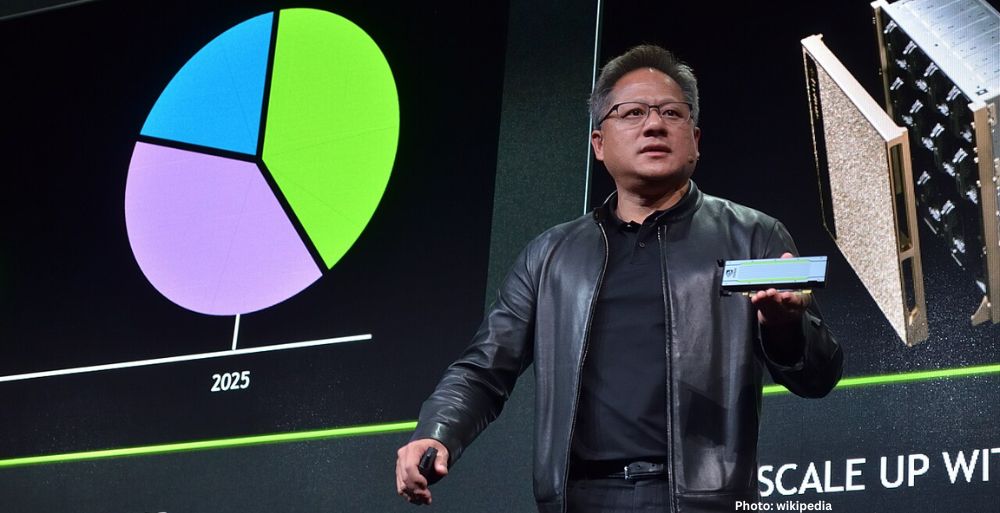
The reinstatement of Jensen Huang as CEO of Nvidia has sparked a wave of bipartisan criticism regarding national security concerns, particularly amid allegations of his ties to a woman with potential Chinese intelligence connections.
Nvidia, a leading producer in the semiconductor industry known for its advancements in artificial intelligence (AI), has reinstated Jensen Huang as chief executive officer and president, effective immediately. This decision came just two weeks after Huang voluntarily stepped down amid allegations involving extramarital affairs and concerns regarding national security. Following the announcement, Nvidia’s stock surged over 30%, marking its best single-day performance since 2003 and adding approximately $952 billion to the company’s market value.
Huang’s reinstatement has not only revitalized Nvidia’s stock but has also sent ripples through the broader financial markets. The news catalyzed a notable uptick in Asian markets, with Taiwan’s Taiex index rising by 9.1% and South Korea’s Kospi increasing by 6.7%. Analysts attribute this rally to Huang’s pivotal role at Nvidia, especially in the hotly competitive AI sector where his leadership is deemed essential for maintaining the company’s market dominance.
Political Backlash and Bipartisan Concerns
The reinstatement is not without its controversies, prompting significant bipartisan scrutiny from lawmakers who are concerned about the implications of Huang’s leadership amid ongoing inquiries into his personal conduct and potential national security risks. Representative Rick Crawford, along with other Republican representatives, expressed their discontent in a joint statement, asserting that the board’s “brief internal investigation” into Huang’s conduct did not sufficiently address the national security implications of his return. Representative Pat Harrigan described the board’s decision as a “mistake,” warning that it sets a dangerous precedent.
In the wake of Huang’s reinstatement, Attorney General Todd Blanche refused to confirm whether Huang had been cleared of any national security concerns or legal violations prior to his return. This lack of transparency has further fueled bipartisan calls for investigations into both Huang’s conduct and Nvidia’s governance practices.
Trump’s Direct Influence
President Donald Trump has played a significant role in Huang’s return. According to various sources, Trump personally communicated with Nvidia’s board, urging them to reconsider their decision to oust Huang due to the potential loss of talent to international competitors, particularly China. In a televised interview, Trump remarked on Huang’s unique capabilities in the AI space, stating, “The bigger threat would be losing the brain power of somebody like Jensen.” He emphasized that Huang is considered one of the best in the industry, and losing him would disadvantage the United States in the global tech race.
Trump also highlighted his discussions with Chinese President Xi Jinping, suggesting that there was recognition of Huang’s prowess even within the Chinese leadership. This notion raises questions about the implications of Huang’s leadership for U.S.-China relations, especially in the context of the ongoing tech rivalry.
Scheduled Testimony and Legislative Actions
As the political landscape continues to evolve, Huang is set to testify before the Senate Banking Committee on December 3, where he will likely face inquiries regarding the allegations surrounding his conduct and the broader implications of his leadership on national security. In anticipation of this, House Minority Leader Hakeem Jeffries has committed to a thorough investigation into Nvidia’s governance and the potential misuse of power by the Trump administration in facilitating Huang’s return.
Additionally, the U.S. Department of Commerce announced plans to add Megaspeed International, a Singaporean company linked to Huang’s allegations, to its Entity List, which would restrict its access to U.S. exports. This move signals a growing concern from U.S. authorities regarding entities perceived to pose risks to national security and foreign policy.
Implications for the Future of Nvidia and AI Technology
As Nvidia navigates this tumultuous period, the implications of Huang’s reinstatement extend beyond the company itself. The intersection of corporate leadership and national security concerns is drawing attention from both sides of the political aisle, indicating that Huang’s return may influence broader discussions regarding U.S.-China relations, export controls, and the future of technological competition. Lawmakers are increasingly calling for “ironclad” export controls on powerful AI technologies to prevent potential exploitation by foreign adversaries, highlighting the urgent need for legislative action to address these national security concerns.
In summary, the drama surrounding Jensen Huang’s reinstatement as CEO of Nvidia serves as a critical case study in the intersection of technology, corporate governance, and national security. As the situation unfolds, stakeholders from various sectors will be closely monitoring the developments, particularly as Huang prepares to address Congress and as further investigations into Nvidia’s practices are conducted. The outcomes of these inquiries may reshape not only Nvidia’s future but also the broader landscape of the semiconductor industry and its implications for national security in an increasingly competitive global environment.