A significant departure from tradition occurs as New York Mayor Zohran Mamdani opts out of the city’s prominent India Day Parade, a key celebration of India’s independence.
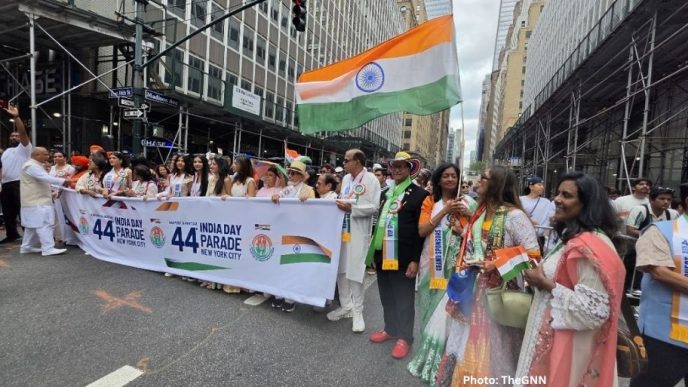
NEW YORK — In a notable departure from longstanding tradition, New York City Mayor Zohran Mamdani did not attend the city’s main India Day Parade on Sunday, August 13, 2023. This decision breaks with the practice upheld by his predecessors, who have historically participated in this annual celebration of India’s independence held in Manhattan.
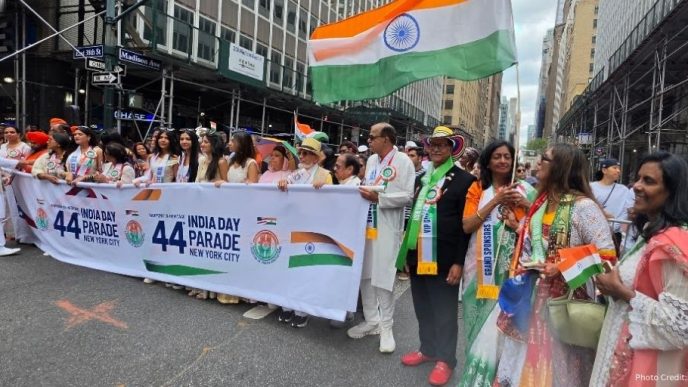
The 44th India Day Parade was organized by the Federation of Indian Associations, which had invited Mamdani to attend the event. His absence is particularly striking given that previous mayors, including Eric Adams, Bill de Blasio, Michael Bloomberg, and Rudy Giuliani, routinely joined the festivities. This tradition traces back to Mayor Ed Koch, who participated in the inaugural parade in 1981, marking the event as a significant occasion for the Indian American community in New York City.
Mayor’s Alternative Engagement
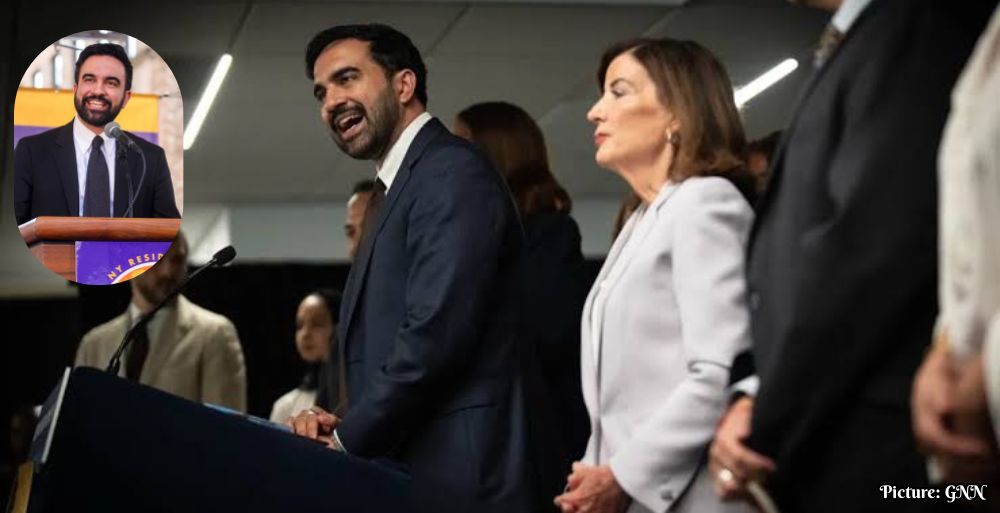
Instead of attending the parade, Mamdani opted to participate in a family day celebration organized by a public housing residents’ association in Brooklyn, coinciding with the India Day festivities. Critics have noted that this choice may reflect a distancing from engaging with the Indian American community, a demographic that has a substantial presence in New York City’s cultural and political landscape.
However, Mamdani did take part in a smaller India independence celebration in Floral Park, Queens, the day prior. After this event, he posted on X (formerly Twitter), emphasizing his identity as “the first Indian American mayor of New York City.” In his post, he quoted former Mayor David Dinkins, who famously described New York as a “gorgeous mosaic,” and reflected on the diverse representation within the Indian diaspora, which includes Hindus, Christians, Muslims, Jains, Buddhists, and Sikhs. He articulated, “Today, I saw that mosaic in the Hindus and Christians, Muslims and Jains, Buddhists and Sikhs across the Indian diaspora who have helped make our city what it is.”
Political Landscape and Notable Attendance
The absence of Mayor Mamdani was particularly noteworthy, as the most prominent political figure present at the parade was New York Governor Kathy Hochul. Hochul expressed her honor in celebrating with the Indian American community, highlighting the importance of such events in fostering cultural appreciation and unity. Earlier in August, Hochul had proclaimed August 15 as India Independence Day in New York State, further signifying her administration’s commitment to recognizing the contributions of the Indian community. Currently, Hochul is campaigning for re-election in November, and her appearance at the parade may enhance her connection with this influential voter base.
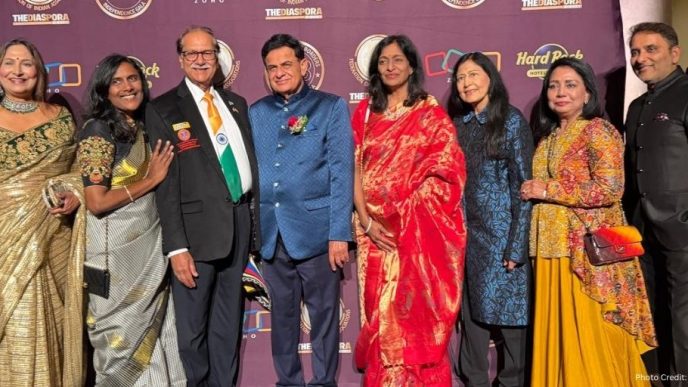
Other officials who participated in the parade included Sarita Komireddy, a Republican candidate for attorney general, State Senator Jeremy Cooney, and Representative Shri Thanedar. Their involvement underscores a broader political engagement with the Indian American constituency, a group that has seen significant growth and influence in recent years. As the Indian American community continues to expand its political clout, the presence of elected officials at such events serves to reinforce the significance of these cultural celebrations.
Historical Significance of the India Day Parade
The India Day Parade has long served as a symbol of celebration for the Indian American community, commemorating India’s independence from British rule in 1947. It not only celebrates Indian culture but also promotes unity and diversity within the broader New York City community. The participation of city leaders has traditionally reinforced the importance of the event and acknowledged the contributions of the Indian diaspora to the city’s social fabric.
As the first Indian American mayor of New York City, Mamdani’s absence from such a prominent event prompts discussions about representation and the responsibilities of elected officials to engage with diverse communities. The mayor’s decision to attend a local community event instead of a major cultural celebration may reflect a strategic choice to connect with constituents in a different context. It raises questions about how elected officials can balance the expectations of their roles with their personal commitments and community priorities.
Furthermore, the mayor’s choice has raised eyebrows among community leaders and members, who often view participation in cultural events as a critical aspect of community engagement. The Indian American community in New York City has been vocal about its contributions and the importance of representation in local governance. As the community continues to advocate for its interests, the implications of Mamdani’s decision may resonate deeply within this demographic.
Conclusion
In summary, while Mayor Mamdani’s absence from the India Day Parade signifies a break from tradition, it also reflects the evolving nature of community engagement in New York City’s diverse political landscape. As the city navigates its multicultural identity, such decisions will likely have lasting implications for how elected officials relate to various communities. The dialogue surrounding representation, engagement, and cultural celebration remains crucial as New York City continues to embrace its role as a vibrant mosaic of cultures and identities.