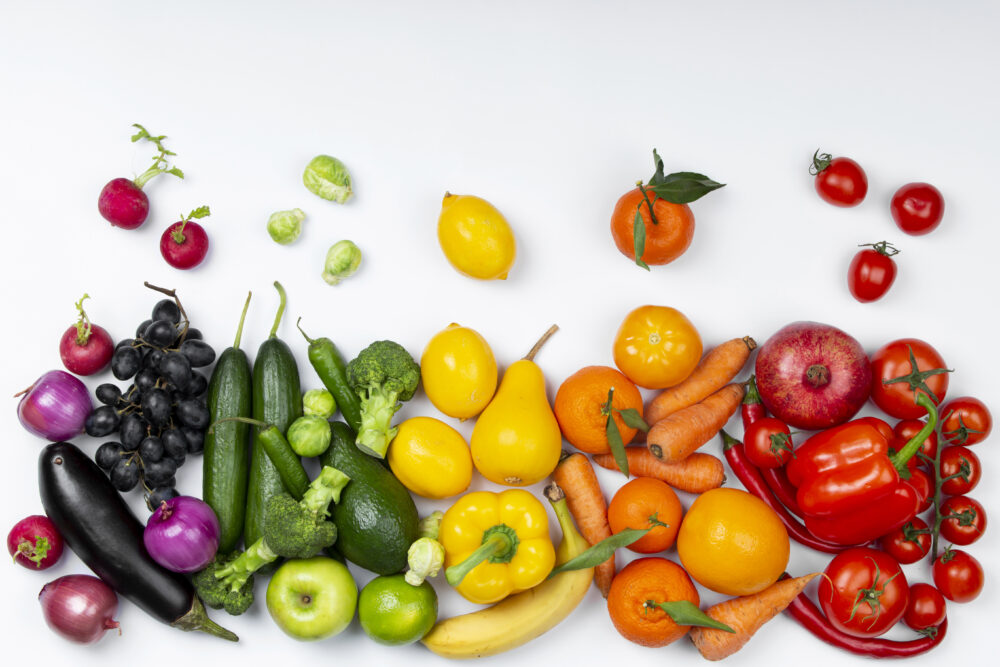
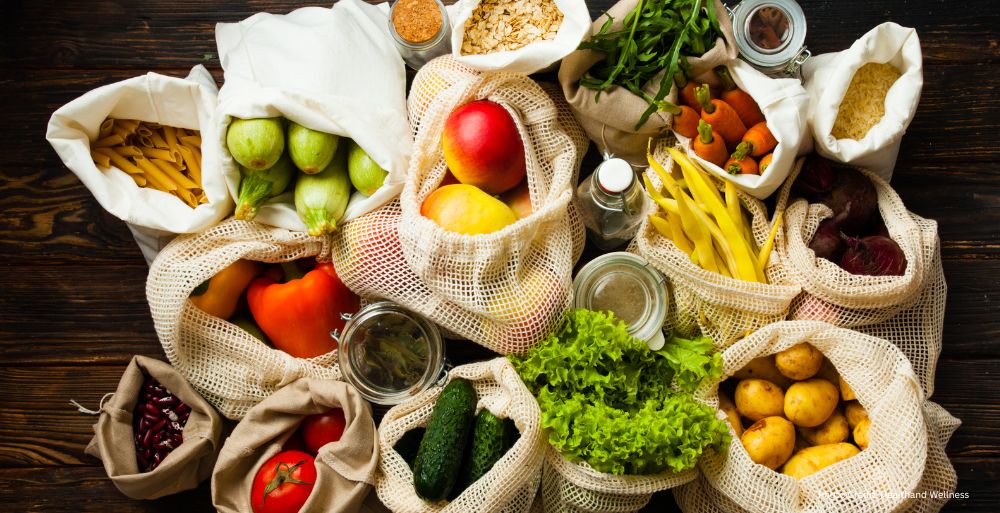
Recent data from the National Center for Health Statistics shows an increase in fruit consumption among U.S. adults, while vegetable intake has declined, highlighting ongoing challenges in meeting federal dietary guidelines.
The National Center for Health Statistics (NCHS) has published a comprehensive report analyzing dietary trends among adults in the United States, covering the years 2021 to 2023. The findings reveal that while a significant majority of U.S. adults consume fruits and vegetables daily, a concerning minority still does not meet the recommended intake levels established by federal dietary guidelines.
According to the report, approximately 70% of adults aged 20 and older indicated that they ate some form of fruit or drank 100% fruit juice on a given day. This statistic leaves around 30% of American adults without any fruit intake. In contrast, a substantial 93% of respondents reported consuming vegetables during the same period. These findings reflect a slight increase in fruit consumption compared to previous surveys while showing a decline in vegetable intake.
Comparative Trends Over Time
The current survey’s results are somewhat consistent with data collected in the previous NCHS survey, which spanned 2015 to 2018. During that period, 67% of adults reported eating fruit on a given day, while 95% consumed vegetables. The recent report indicates a modest increase in fruit consumption alongside a notable decline in vegetable intake, raising questions about dietary habits and adherence to health recommendations.
Gender Differences in Consumption Patterns
The survey data also highlight significant gender disparities in dietary habits. Women reported higher rates of fruit consumption than men, with 74% of women consuming fruit daily compared to 66% of men. However, the rates of vegetable consumption were relatively similar between genders. Notably, a greater proportion of women, 42%, reported eating dark-green vegetables, while only 34% of men did. Dark-green vegetables are recognized for their nutritional benefits, being rich in essential vitamins and minerals that contribute to heart, brain, and bone health.
Impact of Socioeconomic Factors
The NCHS report sheds light on the influence of socioeconomic status on dietary choices. Individuals from higher-income families were more likely to consume fruits and vegetables than their counterparts from lower-income backgrounds. This trend raises important questions about food accessibility and affordability. Despite the overall correlation between income and fruit and vegetable consumption, dark-green vegetables remained the least commonly consumed type across all income groups, suggesting barriers to access even among wealthier households.
Adherence to Federal Nutrition Guidelines
Despite the apparent stability in fruit and vegetable consumption, the findings indicate that these intake levels fall short of federal nutrition recommendations. The current guidelines suggest that adults should consume approximately 2 cups of fruit and 2.5 cups of vegetables daily. For perspective, one small apple is roughly equivalent to one cup of fruit, while a medium carrot accounts for about half a cup of vegetables. Alarmingly, 31% of adults reported that their fruit consumption consisted solely of 100% fruit juice, a practice that nutrition experts caution against due to the absence of dietary fiber found in whole fruits.
Economic Influences on Dietary Choices
The NCHS survey does not specifically analyze the underlying factors that influence fruit and vegetable consumption; however, economic considerations are likely significant. Food inflation remained relatively low from 2015 to 2019, but the COVID-19 pandemic precipitated a notable increase in food prices, with grocery prices rising by an average of 3.5% in subsequent years. This economic pressure may further complicate access to fresh produce, particularly for lower-income families, who may already face barriers to purchasing healthy food options.
Implications for Public Health Policy
The findings from the NCHS survey underscore the ongoing challenges facing public health officials, nutritionists, and policymakers in promoting balanced diets rich in fruits and vegetables. The data suggests that while some progress has been made in fruit consumption, significant barriers remain, particularly for vegetable intake. This situation prompts critical discussions about potential strategies to improve dietary habits across diverse demographic groups.
As health experts emphasize the importance of maintaining a balanced diet for overall health and well-being, the data calls for targeted interventions aimed at increasing accessibility and affordability of fruits and vegetables, especially in underserved communities. Efforts to educate the public about the benefits of whole fruits over fruit juices, as well as the nutritional advantages of dark-green vegetables, may also be crucial in addressing these dietary gaps.
In summary, while the NCHS report illustrates that a majority of U.S. adults are consuming fruits and vegetables, it also highlights significant challenges in meeting federal dietary guidelines. Disparities based on gender and income, combined with economic pressures from rising food costs, suggest that future initiatives must focus on creating equitable access to healthy foods for all Americans.