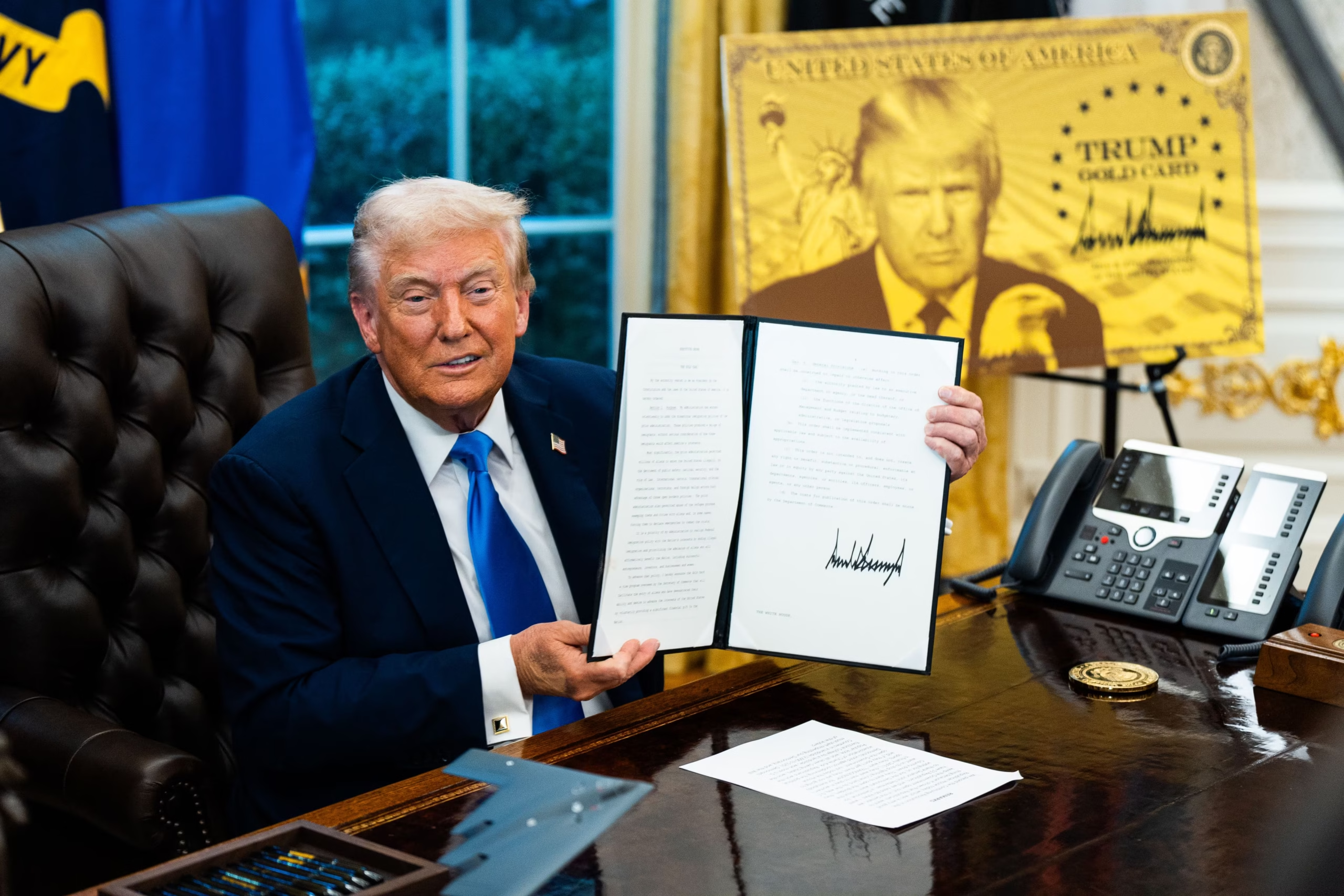
The White House has initiated a proposal to overhaul the H-1B visa program, aiming to tighten regulations and enhance oversight. The proposed changes include:
- Specialty Occupation Definition: The definition of “specialty occupation” may be revised to require a direct and specific connection between the job duties and the degree held by the applicant.
- Cap Exemptions: The eligibility for cap exemptions, particularly for nonprofit research organizations, universities, and healthcare institutions, will be reassessed.
- Third-Party Placements: Increased scrutiny will be applied to employers who place H-1B workers at third-party worksites, a common practice in the technology and consulting sectors.
- Employer Compliance: Employers with a history of violating program requirements may face stricter eligibility criteria for future H-1B petitions.
These proposed changes are intended to strengthen the integrity of the H-1B program and ensure that it serves its original purpose of bringing highly skilled workers to the U.S. However, the proposal has faced criticism from various sectors, including technology, healthcare, and education, who argue that these changes could limit access to skilled labor and hinder innovation.
The Department of Homeland Security has indicated that the public will have an opportunity to comment on the proposed rule before it is finalized. Stakeholders are encouraged to review the proposal and provide feedback during the comment period.