
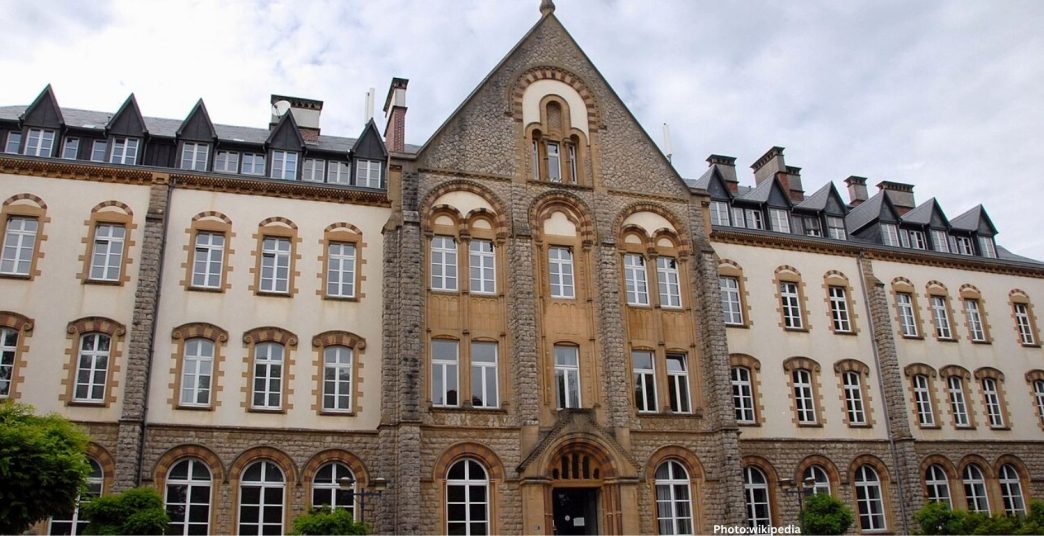
Luxembourg has emerged as the leader in global education spending, investing over $31,000 per student annually, a significant disparity compared to many emerging economies that spend less than $6,000. This variation reflects differing national priorities and resources dedicated to education.
According to the OECD’s latest report titled “Education at a Glance 2025,” Luxembourg tops the global rankings for education expenditure, allocating a remarkable $31,439 per student each year. This amount is nearly $9,000 more than Norway, which ranks second with an investment of approximately $22,558 per student. The substantial financial commitment made by Luxembourg underscores its dedication to enhancing educational quality and ensuring favorable outcomes for its students.
Comparative Education Spending Insights
The differences in education spending across nations can be attributed to various factors, including economic resources, government policies, and societal values regarding education. Most advanced economies, such as the United States, Canada, and several Western European nations, typically spend between $18,000 and $21,000 per student. This clustering of high expenditure among advanced countries suggests a shared commitment to investing in robust educational infrastructures, competitive salaries for teachers, and abundant resources for students, all of which contribute to improved educational outcomes.
For instance, the United States ranks fourth globally with an expenditure of approximately $20,387 per student. This investment reflects the high cost of living and the emphasis on public funding for education in the country. Other nations, such as South Korea and Denmark, also demonstrate significant educational investment, with expenditures of $19,805 and $19,229 per student, respectively. These figures highlight the prioritization of education in these societies and its perceived importance for economic and social advancement.
OECD Spending Averages and Global Disparities
While the OECD average for education spending stands at around $15,022 per student, this figure conceals considerable disparities among member countries. Many advanced economies surpass this average, while emerging economies fall significantly short. Notably, nations such as Japan, Italy, and Spain, despite being classified as advanced economies, report spending levels below the OECD average. Conversely, emerging European economies like Poland and Hungary allocate between $10,000 and $11,000 per student, highlighting a pronounced gap in educational investment compared to their Western peers.
Outside of the higher spending countries, there is a dramatic decline in educational investment. For instance, Türkiye and China allocate just over $5,000 per student, while Mexico and South Africa’s expenditures hover around $4,000. Peru ranks at the bottom of the list, spending approximately $2,600 per student. These figures illustrate the substantial challenges that many emerging economies face in delivering quality education to their populations, which often results in larger class sizes, insufficient resources, and difficulties in attracting and retaining qualified educators.
Implications of Spending Levels on Educational Outcomes
The stark disparities in educational spending have far-reaching implications for various aspects of the educational landscape, including class sizes, teacher salaries, access to technology, and overall educational performance. Higher spending is typically associated with smaller class sizes, better teacher retention rates, and improved resources for students, all of which contribute to enhanced educational performance. In contrast, lower spending often results in larger class sizes, insufficient resources, and difficulties in attracting and retaining qualified educators, which can adversely affect student outcomes.
Countries like Luxembourg and Norway set a benchmark for others, demonstrating the potential benefits of prioritizing education within national budgets. As globalization, technological advancements, and changing labor markets continue to shape the world, the importance of education in equipping future generations with essential skills and knowledge becomes increasingly critical.
Global Trends and Future Considerations
As the global educational landscape evolves, the commitment of countries to invest in education will play a pivotal role in shaping their economic futures. The significant differences in educational spending highlight the urgent need for ongoing dialogue and policy innovation to ensure equitable access to quality education for all students, regardless of their geographical location. Furthermore, as nations contend with the challenges posed by an increasingly interconnected world, the role of education will be vital in fostering social cohesion, economic development, and technological advancement.
In conclusion, the data from the OECD underscores the pressing need for countries to reconsider their educational funding priorities. By investing more substantially in education, nations can improve not only the quality of education but also the overall well-being and economic prospects of their citizens. The ongoing disparities in education spending must be addressed to ensure that all students have the opportunity to succeed in an ever-changing global landscape. As the OECD continues to track these expenditures, it will be essential to monitor how shifts in spending patterns correlate with educational outcomes in various countries, providing critical data for policymakers and educators alike.