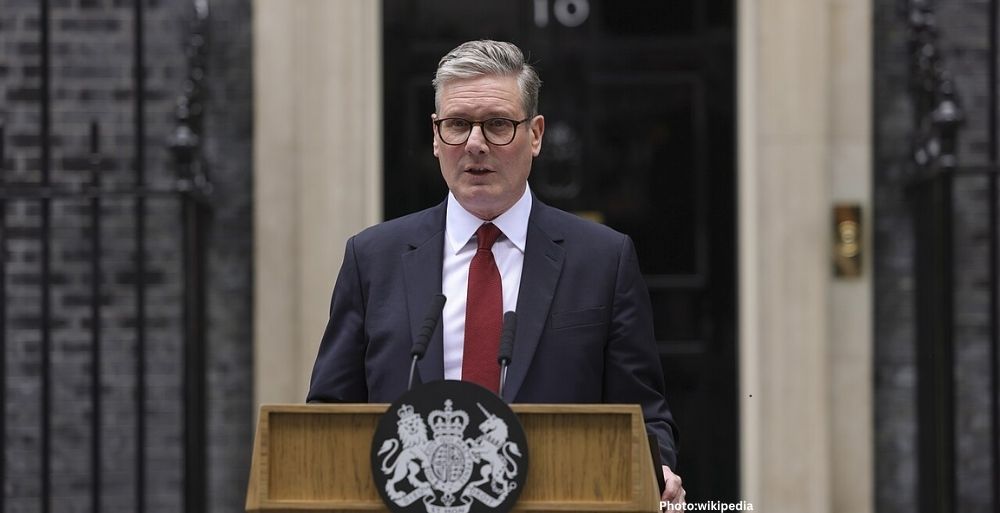
Keir Starmer is reportedly set to announce a timetable for his resignation as Prime Minister of the United Kingdom following significant political pressure and the recent success of Andy Burnham in the Makerfield byelection.
In a significant political development, UK Prime Minister Keir Starmer is preparing to announce his resignation from No. 10 Downing Street as early as Monday. This anticipated decision comes in the wake of Andy Burnham’s recent electoral victory in the Makerfield byelection, which has reportedly shifted the political landscape within the Labour Party.
Sources close to Starmer indicate that he has come to the conclusion that his leadership is no longer sustainable following discussions with various stakeholders, including cabinet ministers, party donors, and trade union leaders. As Starmer spends the weekend at Chequers reflecting on his future alongside his wife, Victoria, senior Labour figures are expecting a formal announcement soon.
Political Landscape Shift
Burnham’s decisive win against the Reform UK party last week has bolstered his position within the Labour Party, with supporters claiming he has garnered the backing of over 201 Labour MPs. This figure is particularly significant as it constitutes more than half of the Parliamentary Labour Party (PLP), effectively undermining Starmer’s ability to claim he commands the confidence of the House of Commons.
One Labour peer, close to the prime minister, emphasized that Starmer would not create a leadership vacuum but instead plans an “orderly transition” as a matter of “duty and dignity.” This sentiment reflects a growing recognition among Labour leaders that Starmer’s position has become untenable. Another unnamed senior Labour figure echoed this sentiment, suggesting that Starmer has come to terms with the reality of his political situation, stating, “He’s come up hard against the reality that the support isn’t there.”
Internal Pressures and Reactions
Starmer is under increasing pressure to clarify his intentions before a pivotal cabinet meeting scheduled for Tuesday, where several high-profile ministers—including Ed Miliband, Shabana Mahmood, and Yvette Cooper—are expected to urge him to announce a clear timetable for his departure. Jonathan Reynolds, Labour’s chief whip, has indicated a strong desire among party members for a structured transition.
Amid these pressures, speculation about Starmer’s leadership has intensified. A former cabinet minister, Lord Falconer, remarked that “the prime minister has absolutely no authority left,” highlighting the widespread belief that Burnham is poised to challenge for leadership and is likely to be successful.
As Starmer navigates these turbulent waters, his supporters anticipate that he will propose to step down by September, allowing for a successor to be confirmed at the upcoming Labour Party conference. One senior Labour source noted, “Keir has realized the game is up and it’s got to be a graceful exit.” This reflects a broader understanding within the party that avoiding a humiliating defeat in a leadership contest is paramount for Starmer.
Reflective Leadership
Those close to Starmer have described him as being in a reflective mindset rather than combative. An ally mentioned, “He’s not delusional,” suggesting that he is thoughtfully considering the implications of a leadership contest. Starmer reportedly does not demand loyalty pledges from his colleagues, indicating a recognition of the shifting allegiances within the party.
As the situation unfolds, a Downing Street source maintained that speculation regarding Starmer’s resignation is premature, asserting that the prime minister intends to continue his candidacy in any potential leadership contest. Starmer has publicly stated that he has “more to do” and emphasized the need for party unity to confront the Reform party effectively.
Future Challenges for Labour
The political atmosphere surrounding the Labour Party remains charged as figures like Sharon Graham, general secretary of Unite, one of Labour’s largest trade union donors, have called for Starmer to step down. Graham argued that an orderly transition with a clear timetable is essential for the party’s future. She stated, “He needs to reflect on what he said about putting the country before the party.”
In addition, Wes Streeting, the former health secretary, remains a potential candidate for leadership, having established a campaign infrastructure. However, there are indications that he may consider an alliance with Burnham for a cabinet position should Burnham ascend to leadership.
The current political dynamics underscore the challenges facing the Labour Party as it seeks to regroup and reestablish its footing ahead of upcoming elections. The Makerfield byelection results serve as a pivotal moment, signaling a potential shift in party leadership and strategy as Labour grapples with its future direction.