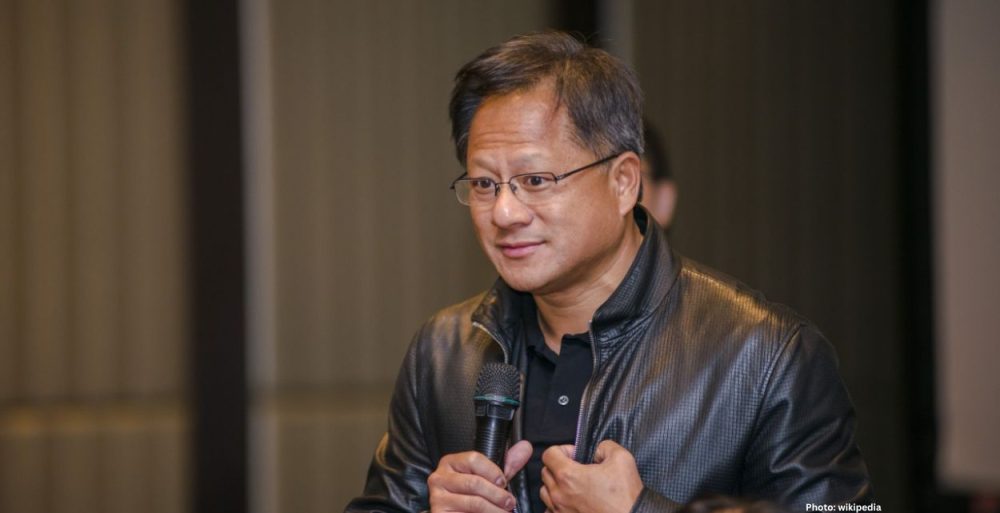
Nvidia’s decision to reinstate Jensen Huang as CEO has ignited bipartisan scrutiny over national security risks while significantly boosting the company’s stock market performance.
Nvidia, a leader in artificial intelligence (AI) technology, reinstated Jensen Huang as its chief executive officer and president on November 23, 2026. This decision came just two weeks after Huang voluntarily stepped down amid personal controversies and allegations of potential national security concerns. Following the announcement, Nvidia’s stock surged over 30%, marking its best trading day since 2003 and reflecting a remarkable single-day gain of $952 billion in market value. The news has sent ripples through the tech sector, with analysts suggesting that Huang’s leadership is critical for the company’s future.
The reinstatement appears to have been influenced by external pressures, notably from President Donald Trump, who disclosed that he had direct conversations with Nvidia’s board advocating for Huang’s return. Trump expressed concerns about losing Huang’s leadership to competitors, particularly China, amidst a highly competitive AI landscape. In an interview with CNBC, he emphasized Huang’s unique capabilities, stating, “Nobody understands it but a guy like Jensen, they can’t copy it. It’s uncopyable.” This framing positions Huang not just as a pivotal figure within Nvidia but also as a significant player in the broader U.S.-China technological rivalry.
Political Reactions and Criticism
Despite the positive market response, Huang’s reinstatement has sparked bipartisan criticism in Congress. Lawmakers from both parties have raised alarms regarding the potential national security implications related to Huang’s previous relationships, particularly one with a woman allegedly linked to Chinese intelligence. Republican Representatives Rick Crawford, Brian Mast, and John Moolenaar issued a joint statement asserting that Nvidia’s brief internal investigation and Huang’s return do not address the unresolved national security questions. GOP Representative Pat Harrigan described the reinstatement as a “mistake,” warning that it sets a dangerous precedent.
Senator John Curtis has also expressed skepticism about Nvidia’s claims that Huang poses no national security risk, questioning the credibility of the information the company stated it received from senior U.S. government officials. Attorney General Todd Blanche, when pressed for clarity on whether Huang had been cleared of any allegations before his reinstatement, declined to provide specific details, further fueling concerns among lawmakers.
Huang’s previous resignation came amid intense scrutiny regarding his personal life, including an extramarital affair that raised questions about potential vulnerabilities to foreign interference. Reports indicate that the FBI has been investigating Huang’s connections, particularly regarding his associate Alice Huang, raising alarms about the implications of their relationship on U.S. national security. Alice Huang, who was previously a significant player in the tech industry, has remained out of the public eye since the allegations surfaced.
Market Implications and Global Reactions
The immediate aftermath of Huang’s reinstatement saw significant gains not only for Nvidia but across Asian markets, reflecting a broader optimism about the tech sector. Nvidia shares accounted for roughly 20% of revenue for Taiwan Semiconductor Manufacturing Company (TSMC), which experienced a 9.1% rise in its stock. This upward trajectory extended to other major tech markets in South Korea and Japan, indicating a ripple effect from Nvidia’s decision.
In Taiwan, where Huang was born, the local sentiment has been largely supportive of his return. Public displays of encouragement followed his resignation, including lighting up Taipei 101 with messages of support. The Taiwanese stock market, having suffered losses amid uncertainties surrounding Nvidia, has shown signs of recovery, signaling confidence in Huang’s leadership amid the critical AI race. The reaction in Taiwan underscores the intertwined nature of Huang’s personal narrative with the island’s technological aspirations and economic stability.
Future Oversight and Investigations
Looking ahead, Huang is scheduled to testify before the Senate Banking Committee on December 3, providing an opportunity for lawmakers to further scrutinize the circumstances surrounding his reinstatement and address ongoing national security concerns. The top Democrat in the House, Minority Leader Hakeem Jeffries, has pledged to investigate Nvidia’s decision and its implications, calling the board’s choice “indefensible, irresponsible and incomprehensible.” He emphasized the need for robust export controls on advanced technology to prevent potential exploitation by foreign adversaries.
As the situation develops, the intersection of corporate governance, national security, and international relations remains a crucial focal point. The actions taken by Nvidia’s board, alongside the responses from political leaders, could set important precedents for future corporate conduct in the technology sector and its oversight by government entities.
Broader Implications
The reinstatement of Huang not only affects Nvidia but also highlights a growing trend where corporate leadership is increasingly scrutinized through the lens of national security. As the U.S. faces rising tensions with China, the tech sector’s strategic importance has never been more pronounced. Lawmakers are keenly aware that decisions made by companies like Nvidia could have far-reaching implications for national security, making oversight and accountability essential.
Moreover, the reaction from the market indicates a complex relationship between corporate governance and investor sentiment. Huang’s reinstatement has reinvigorated confidence in Nvidia’s direction, yet it also raises critical questions about how companies navigate personal controversies that intersect with national security. As the lines between business and politics blur, the implications for corporate leaders and the tech industry at large will undoubtedly evolve.
In conclusion, Jensen Huang’s reinstatement as CEO of Nvidia is a significant development in the tech industry, bringing to light critical discussions about corporate governance, national security, and the geopolitical landscape. The upcoming congressional inquiry will likely shape the narrative moving forward, as both Nvidia and the broader tech sector grapple with the challenges of operating in an increasingly complex environment.