
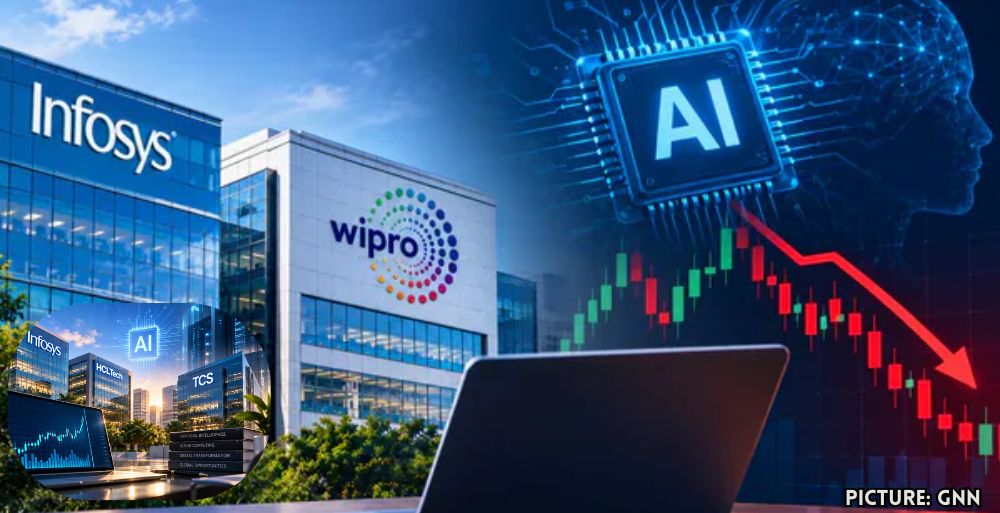
Indian IT stocks have seen a significant rise as leaders in artificial intelligence advocate for a more cautious approach to technological advancements, highlighting the need for ethical considerations in AI development.
In recent trading sessions, Indian information technology (IT) stocks have experienced a notable uptick, reflecting a growing discourse among leaders in artificial intelligence (AI) advocating for a more measured pace in the development and deployment of AI technologies. This conversation gained traction following high-profile discussions at the Global AI Summit held in San Francisco, where industry experts raised concerns about the ethical implications and societal impacts of rapid AI advancement.
The rally in Indian IT stocks, particularly among major firms such as Infosys, Tata Consultancy Services (TCS), and Wipro, underscores not only investor optimism but also a broader recognition of the need for responsible practices in AI. Shares of TCS surged by approximately 3% over the past week, contributing to a market capitalization that now exceeds $200 billion. Similarly, Infosys and Wipro reported gains of around 2% and 2.5%, respectively, during the same period.
The Context of AI Development
The call for a more cautious approach to AI is not merely a reaction to recent advancements but is rooted in a historical context of technological evolution. As AI technologies rapidly evolve, experts and industry leaders are highlighting the potential risks associated with unchecked development. These concerns resonate with past technological revolutions, such as the internet boom of the late 1990s, where insufficient regulatory frameworks led to significant economic and social challenges.
During a panel discussion at the Global AI Summit, prominent figures in the AI field, including OpenAI CEO Sam Altman and Google DeepMind co-founder Demis Hassabis, emphasized the importance of establishing ethical guidelines and regulatory measures before further advancements are made. “We must ensure that the benefits of AI are distributed equitably while minimizing potential harms,” Altman stated, underscoring the necessity for a balanced approach to innovation.
Investor Sentiment and Market Reactions
Investor sentiment surrounding Indian IT firms suggests a strong belief in their long-term viability, particularly as they position themselves as leaders in AI development. Analysts predict that Indian IT companies are poised to play a crucial role in shaping the global AI landscape, with many firms already investing heavily in AI research and development. According to a report by the National Association of Software and Service Companies (NASSCOM), the Indian IT sector is projected to reach $350 billion by 2025, with AI and automation becoming significant contributors to this growth.
However, the recent gains in stock prices have also prompted discussions about potential market volatility, especially in light of ongoing global economic uncertainties. Analysts caution that while the current trajectory appears positive, unforeseen regulatory changes or shifts in public sentiment towards AI could significantly impact the sector. “While the enthusiasm around AI is palpable, investors must remain vigilant about the broader implications of these technologies,” remarked Neha Kumar, a senior analyst at a leading financial consultancy.
Ethical Considerations and Future Outlook
The ethical considerations surrounding AI are becoming increasingly prominent in discussions among industry leaders. As AI continues to integrate into various sectors, questions regarding data privacy, job displacement, and the potential for bias in AI algorithms are emerging. The recent rise in IT stock prices appears to coincide with a growing public awareness of these issues, prompting calls for more rigorous ethical standards in AI development.
The Indian government has also recognized the importance of addressing these challenges. In a recent statement, Minister of Electronics and Information Technology Ashwini Vaishnaw emphasized the need for comprehensive policy frameworks to guide the development and use of AI technologies in India. “Our goal is to foster innovation while ensuring that ethical considerations remain at the forefront of AI deployment,” Vaishnaw noted.
The intersection of ethical AI development and investor sentiment reflects a broader trend in the technology sector, where stakeholders are increasingly aware of the societal implications of their innovations. As AI continues to evolve, the dialogue surrounding responsible AI is likely to gain momentum, influencing both public policy and corporate strategy.
As the dialogue around responsible AI progresses, the Indian IT sector is expected to face both opportunities and challenges. The balance between fostering innovation and ensuring ethical practices will be crucial in determining the future trajectory of this dynamic industry. Investors and policymakers alike will need to remain engaged in these discussions, as the implications of AI extend beyond economics into the very fabric of society.
In conclusion, the rising stock prices of Indian IT firms amidst calls for a more cautious approach to AI development signify a pivotal moment for the industry. The ongoing discussions about ethical considerations and regulatory measures will likely shape the future landscape of AI, with Indian IT companies positioned to play a significant role in this transformation. Stakeholders in the sector must navigate these complexities to harness the potential of AI while safeguarding societal values.