House Speaker Mike Johnson has assured that there will be a “peaceful transfer of power” during the upcoming 2026 midterm elections, asserting his belief that Republicans will maintain control of the House of Representatives.
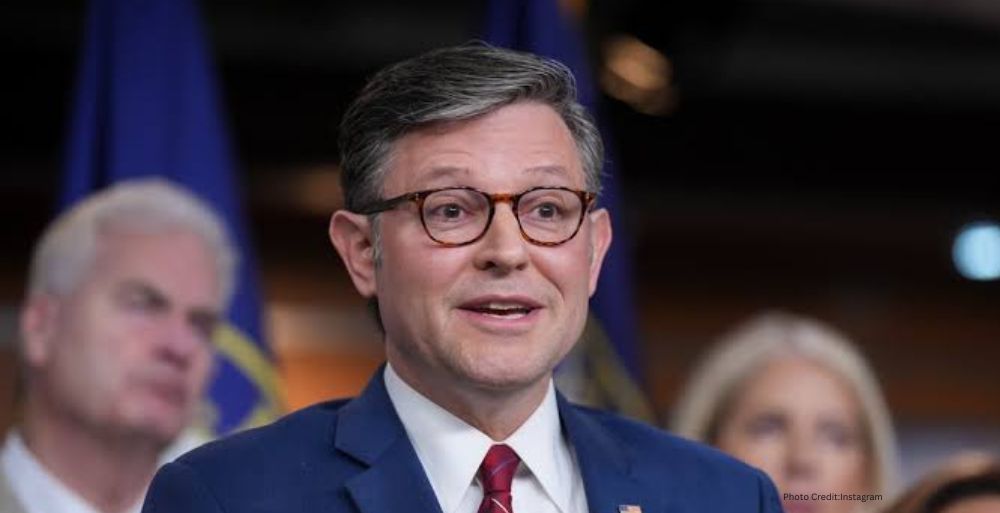
House Speaker Mike Johnson (R-La.) addressed the media on Tuesday, emphasizing the importance of a peaceful transition when new members of the House of Representatives are sworn in on January 3, 2026. His comments come amidst an increasing national focus on election integrity, particularly as the midterm elections approach.
In a clip shared on the social media platform X by MS NOW reporter Mychael Schnell, Johnson stated, “Of course, we’ll have a peaceful transfer of power, but it will not be transferring because we are going to keep the majority, and I’m going to be the Speaker of the House, and I will keep steady hands at the wheel, okay?” His remarks reflect a strong confidence in the Republican Party’s ability to retain its majority in the House during the upcoming elections.
Commitment to Constitutional Process
Johnson, who has a background as a constitutional attorney, reiterated his commitment to constitutional processes regarding the swearing-in of new members. He noted, “The Constitution says when a state certifies the election of members of Congress, then they are administered the oath. That’s what I’ll be doing on January 3 to everybody who’s there.” This statement highlights his intention to adhere strictly to constitutional mandates as the new Congress convenes.
The speaker’s assurance of a peaceful transfer of power is particularly significant in the current political climate, where questions about election integrity and voter fraud have gained prominence, especially following the contentious 2020 elections. Johnson’s focus on constitutional adherence aims to reassure the public of the integrity of the electoral process, even as the political landscape remains fraught with division.
Election Fraud Allegations and Trump’s Influence
The backdrop to Johnson’s remarks includes ongoing allegations of voter fraud, prominently championed by former President Donald Trump. In statements made during a July address, Trump described the electoral system as having “shocking vulnerabilities,” specifically referencing a voter registration incident in Michigan from the 2020 election. He also criticized California’s mail-in voting system, claiming that ballots were “floating aimlessly.” These assertions have sparked significant debate regarding the reliability of voting processes in various states.
Adding to the controversy, the Department of Homeland Security (DHS) reported earlier this year that it had identified thousands of noncitizens on voter rolls in states such as California, New Jersey, Nevada, and Pennsylvania. Such findings have intensified scrutiny of voter registration practices and the overall integrity of electoral systems across the nation.
In a move that has drawn criticism from various quarters, Trump announced a $1 million reward for tips leading to the arrest and conviction of individuals involved in voter fraud. In a post on Truth Social, he stated, “Anybody reporting Voter Fraud in the past Elections, or the upcoming 2026 Midterm Election, will be paid $1,000,000 upon the arrest and conviction of those that created the Fraud!” This announcement has reignited discussions about the potential ramifications of incentivizing claims of voter fraud and the impact it may have on public perception of the electoral process.
Historical Context and Future Implications
The upcoming 2026 midterm elections are poised to play a critical role in shaping the political landscape of the United States, as they will determine the balance of power in Congress. Historically, midterm elections serve as a referendum on the performance of the sitting president and can lead to significant shifts in congressional control. These elections will not only influence legislative priorities but also impact the direction of U.S. domestic and foreign policy in the subsequent years.
Johnson’s remarks regarding the peaceful transfer of power underscore a pivotal moment in American democracy, where the emphasis on constitutional adherence and election integrity is increasingly central to national discourse. The assertion of a peaceful transition of power is a hallmark of democratic governance, yet it exists in a context marked by partisan rhetoric and allegations of electoral fraud.
Public Response and Political Landscape
The political climate leading up to the 2026 midterms will be closely scrutinized by analysts, stakeholders, and the general public. The interplay between election integrity concerns, party control, and adherence to constitutional norms will likely dominate discussions as voters prepare to head to the polls. Johnson’s confidence in maintaining a Republican majority reflects broader party strategies as they navigate the electoral landscape shaped by previous election disputes and ongoing allegations of fraud.
As the 2026 midterm elections draw closer, the dynamics between the Republican Party’s messaging on election integrity and the Democratic Party’s responses will shape voter sentiment. The implications of these interactions will not only affect the upcoming elections but may also resonate through future electoral cycles, influencing how Americans engage with the democratic process.
In summary, House Speaker Mike Johnson’s assurance of a peaceful transfer of power amidst ongoing election integrity discussions highlights a critical juncture in U.S. politics. The upcoming midterms will serve as a litmus test for the current administration and the Republican Party, while also impacting the future trajectory of American governance.