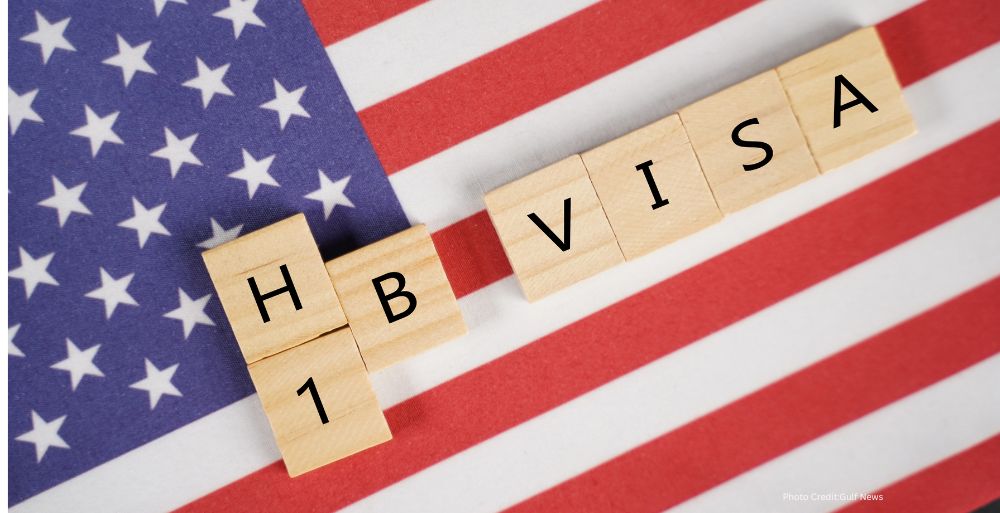
Texas Governor-elect Gina Hinojosa aims to reverse the previous administration’s freeze on H-1B visa applications, addressing skilled labor shortages and enhancing employment opportunities for visa holders.
Texas Governor-elect Gina Hinojosa recently outlined a transformative approach to the H-1B visa program, promising to overturn the restrictions imposed by her predecessor, Republican Governor Greg Abbott. This policy shift comes in the wake of Hinojosa’s victory in the gubernatorial race, which was marked by significant voter support and was deemed a major upset against Abbott.
In an interview with The Texas Tribune, Hinojosa expressed her commitment to improving the employment landscape for H-1B visa holders, stating, “I will tell you, I’m not doing culture wars. That’s not what I was elected to do.” Her remarks signal a focus on pragmatic solutions to workforce challenges rather than engaging in divisive political rhetoric.
H-1B Visa Program Overview
The H-1B visa program is designed to allow U.S. companies to hire foreign workers for specialty occupations requiring technical or theoretical expertise. Texas ranks second in the nation, following California, in the number of H-1B visa holders and active employers. According to data from the Department of Homeland Security, the 2026 fiscal year saw 45,625 approved H-1B visa recipients in Texas, with major companies such as Amazon, Google, and Tata Consultancy Services being the leading petitioners.
This program has historically been crucial for Texas employers, particularly in sectors like technology and education, as it helps bridge the skills gap in the labor market. However, it has also faced significant criticism from various stakeholders, including labor organizations and some lawmakers, who argue that H-1B visas can suppress wages for American workers and lead to job displacement.
Governor Abbott’s Freeze on H-1B Visas
In January 2027, Governor Abbott implemented a freeze on new H-1B visa applications at state agencies and public universities, citing concerns over potential abuses of the program. Abbott’s directive included a broader investigation into the program’s impact on Texas’s labor market and emphasized the need for state employment opportunities to prioritize Texas residents. He declared, “State government must lead by example and ensure that employment opportunities — particularly those funded with taxpayer dollars—are filled by Texans first.” This freeze was accompanied by a proposal to prevent public schools from utilizing H-1B visas to recruit teachers, in an effort to address staffing shortages.
Hinojosa has sharply criticized these policies, arguing that Abbott’s actions were misdirected. She contended that while there may have been isolated incidents of abuse, the program is essential for addressing the pressing labor needs in Texas, particularly in education. In her view, the freeze disproportionately affected schools struggling to find qualified teachers.
Addressing Educational Staffing Needs
In her comments, Hinojosa highlighted the critical role of H-1B visa holders in Texas’s educational system. “A lot of school districts hire H-1B teachers because we can’t get teachers here in this state who want to work for school districts anymore,” she explained. Hinojosa emphasized the need for collaboration with school districts to build a robust local teaching workforce, aiming to reduce reliance on H-1B visa teachers while ensuring quality education within Texas.
As Hinojosa prepares to take office, her plans to reverse Abbott’s freeze could significantly reshape the state’s approach to skilled labor and education. Her administration’s focus on H-1B visas aligns with the broader national conversation around immigration reform and labor market needs, especially in high-demand sectors.
Broader Implications for Immigration Policy
Hinojosa’s potential policy changes are also relevant in the context of national immigration discussions. The H-1B program has long been a focal point for debates over immigration reform, with advocates arguing for its necessity in maintaining a competitive workforce. Critics, however, raise concerns about its impact on domestic job opportunities and wages.
In a broader context, Hinojosa’s administration may also influence how Texas navigates immigration issues beyond the H-1B program. For instance, she has discussed border security, recounting conversations with former President Donald Trump regarding the administration’s plans for a technologically advanced border barrier. Hinojosa remarked, “There are different ways we can secure our border in 2026, 2027 that involve technology and not just necessarily a physical barrier,” indicating her willingness to engage in constructive dialogue on national security while advocating for the needs of Texans.
The implications of Hinojosa’s policies on H-1B visas and education will be closely observed by various stakeholders as she enters office. Her approach could set a precedent for future immigration policies in Texas, particularly in how they affect labor markets and educational institutions across the state.
As discussions around immigration reform and labor needs continue to evolve, Hinojosa’s administration is poised to play a pivotal role in shaping the narrative surrounding the H-1B visa program in Texas, potentially impacting thousands of skilled workers and the sectors that depend on their expertise.