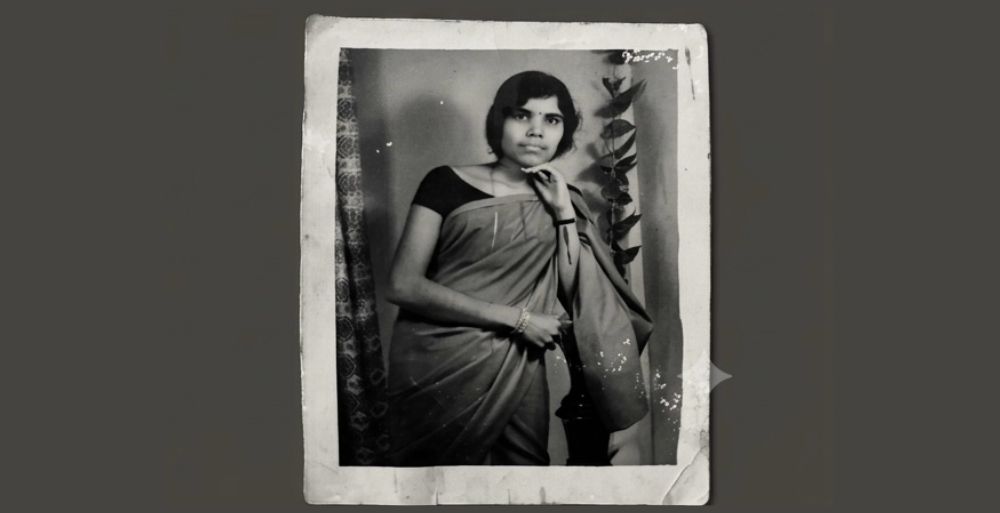
There was a time when leaving home meant finding your way in an unfamiliar city without maps, looking for work without professional networks and building a career without the opportunities and connections that today’s generation can access at the touch of a screen. It meant learning as you went along, making the most of what came your way and finding the courage to begin, often with very little.
Generation Before Us is an interview series that looks back at the lives of those who came before us , the India they grew up in, the paths they carved out, the people and circumstances that shaped them, and the opportunities they created for the generations that followed. Their stories offer more than a glimpse into another time; they hold lessons about ambition, adaptability, relationships and the choices that shape a life.
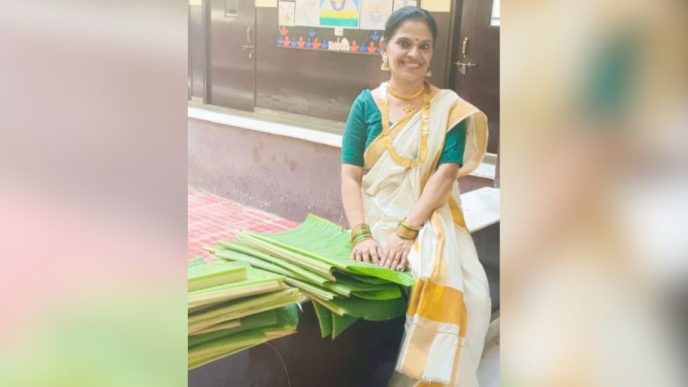
In this second episode, Elsy Mathew speaks with Series Editor Ancy James about a young girl’s determination to pursue an education, the courage to build a life far from home, and a remarkable journey through work, motherhood, faith and service. From her early working days in Delhi to a spiritual ministry that reaches thousands, and the profound experience of caring for her husband, her story reveals how faith, resilience and an enduring sense of purpose can shape a lifetime.
It is a story of finding one’s way, making a life and discovering that some of our most meaningful journeys are defined not just by what we achieve, but by what we give.
Ancy James: You grew up in a coastal village in Kerala, the eldest of seven girls. What made you leave home at such a young age? Was there a moment when you knew you had to find a different path?
Elsy Mathew: I was born in the coastal village of Purakkad in Alappuzha district of Kerala. I left home when I was 16 years old. After completing Class 10, I wanted to continue my studies. But as I was the eldest of seven girls in the family, my father was keen to get me married soon. So, for me, continuing my studies seemed almost impossible.
My father was running a wholesale grocery store, and for one year I helped him and took care of the business. But God had a different plan for my life.
I used to attend Mass every day and had a deep devotion to Mother Mary. During that time, I prayed earnestly to God to give me an opportunity to continue my studies.
Then something happened that I can only describe as a miracle. I contacted my maternal uncle, who was working in Delhi. When he came home on a holiday, he took me with him. I stayed for one year at my grandparents’ place in Kerala, where I learned typing and shorthand.
After one year, I began my journey to a completely new place called New Delhi. I eventually spent more than 40 years there, more than half of my life.
Looking back, I truly believe that it was God who had a great plan for me and opened that door for me.
Ancy James: Do you remember your first days in Delhi? What did it feel like to leave everything familiar behind and arrive in a completely new city?
Elsy Mathew: I was 18 years old when I reached Delhi. I was very excited about my new life and my new surroundings. Although I was far away from home, I was not alone. My uncle and aunt were with me, and I really enjoyed my new life in Delhi.
Ancy James: How did your family react to your decision to leave?
Elsy Mathew: My father was very unhappy about my leaving home. However, he entrusted my uncle with the full responsibility of my life.
I stayed with him for four years, and he and his family looked after me very well. I will be forever grateful to them for being instrumental in transforming my life.
Later on, my uncle moved to the United States, and I was left with my second maternal uncle.
Ancy James: When you left home, what were your biggest fears and hopes?
Elsy Mathew: As I knew that God had worked a miracle in my life by giving me the opportunity to leave home and seek better opportunities, I was sure that He would continue to take care of me.
So, surprisingly, I had no fear at all. My greatest hope was simply to make good use of the opportunity God had given me and build a meaningful life.
Ancy James: What was your first job in Delhi? What do you remember most about those early working years?
Elsy Mathew: After reaching Delhi, the very next day I went for an interview for a typist’s job in a printing press. I got the job, and my first salary was Rs. 75 per month.
Even though my salary was very small, I used to send Rs. 50 every month to my parents, who were not financially strong. I worked there for more than four years. When I left the company, my salary had increased to Rs. 290 per month.
Those early years taught me the value of hard work, responsibility and supporting one’s family, no matter how little I had.
Ancy James: What were the professional challenges young people faced in those days that today’s generation may not fully understand?
Elsy Mathew: Everything was manual in those days. There were no computers, no mobile phones and communication was not easy. Transportation was also difficult, as there were not many facilities available.
With the salaries we earned, it was not easy to fulfil all your needs. Life required patience, hard work and a lot of adjustment.
At the same time, I feel people had more time for one another. There was more socialising, sharing and caring compared with today.
Today, everyone seems to be busy with their own lives and deeply connected to the mobile world. Sometimes we do not have time even to look at the person sitting in front of us, while we are busy connecting with people far away.
Ancy James: Was there a moment when you felt that you had finally found your feet in Delhi?
Elsy Mathew: Yes, I always had hope. I strongly believed that God had brought me to Delhi for a purpose. The opportunities that came into my life and the people who supported me gave me confidence that, with hard work and God’s guidance, I would be able to build a life here.
Ancy James: How did you build friendships and a support system in a city where you initially knew very few people?
Elsy Mathew: When I first came to Delhi, I knew very few people. But gradually, the city became home.
My workplace was one of the main sources of my friendships. The people I worked with became good friends, and many of those relationships remained meaningful over the years.
The Church also played a very important role in building my community and support system. Every week, I attended Holy Mass, met many people, participated in church activities and joined prayer groups. Through these gatherings, I came to know many wonderful families and developed lasting friendships.
In those days, communication was very different from today. I kept in close touch with our relatives and friends through letters. Though they were far away, those letters helped us maintain our relationships and feel connected to our loved ones.
Slowly, the unfamiliar city where I had once known hardly anyone became a place filled with friends, families and a strong sense of belonging.
Ancy James: How did marriage and motherhood shape the next chapter of your life?
Elsy Mathew: I continued to live and work in Delhi, and as the years passed, God opened a new chapter in my life.
When I was 23, my maternal uncle, Fr. P. D. Mathew, SJ, who was doing his final year of Theology at Vidyajyoti in Delhi, began looking for a life partner for me.
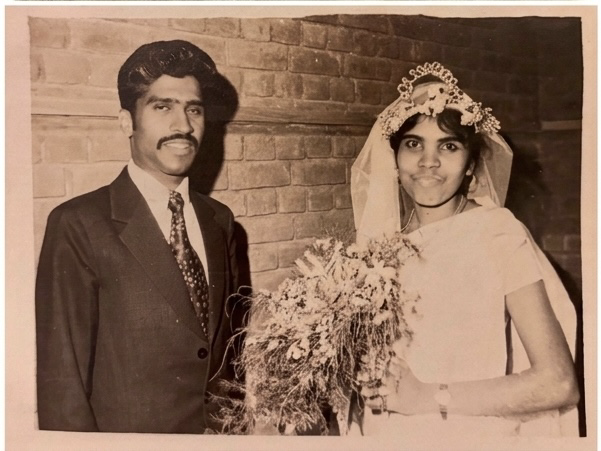
As God had planned, I was blessed with a loving husband who was also based in Delhi. He was working with one of the American voluntary organisations. We got married in 1974. After my marriage, I had to resign from my job and move to my husband’s place.
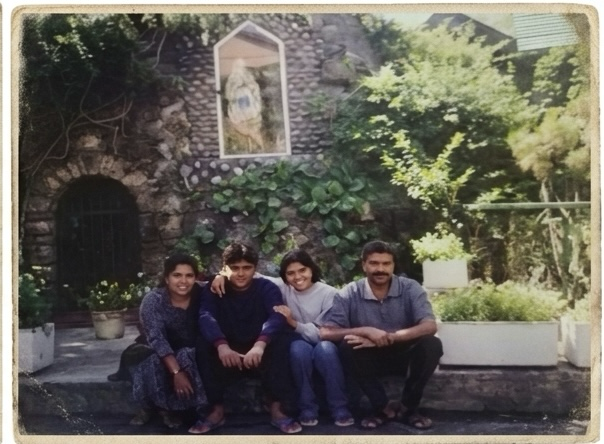
In 1976, we were blessed with a daughter. When she was two years old, I began the next chapter of my professional life by joining the Indian Social Institute, a Jesuit organisation. I started there as a Typist-cum-Librarian. In 1979, God blessed me with a son.
Ancy James: You joined the Indian Social Institute and went on to work there for 18 years. How did your role evolve, and what opportunities helped you grow professionally?
Elsy Mathew: I worked with the Indian Social Institute for 18 years. During that time, I was given opportunities to grow and eventually was promoted to the position of Senior Publication Officer.
The Diploma in Book Publishing that I did in 1983 from Bharatiya Vidya Bhavan in Mumbai, and my appointment in due time as Senior Publication Officer of ISI, enabled me to handle all the publications of the Institute.
In that capacity, the publication of books authored by M.A.s and Ph.Ds. on various topics of interest was in my charge.
I took voluntary retirement.
Ancy James: Looking back, how important was that opportunity to learn a specialised skill and take on greater responsibility?
Elsy Mathew: It enabled me to handle the publications of the Institute. The training and the responsibilities I received helped me grow in my work.
Ancy James: Did you imagine that your life after retirement would lead you into a completely different kind of work?
Elsy Mathew: After leaving my job, I began spending more time in prayer and spiritual activities.
I never imagined then that God was preparing me for my later role as a catalyst in spreading the Word of God to thousands of people all over the world.
The opportunity I received to be a Spiritual Counsellor with the Divine Retreat Centre, Faridabad, and elsewhere prepared me to be involved in ministering to people everywhere.
Ancy James: Your professional life took an unexpected turn after retirement. How did the idea of an Internet Spiritual Ministry begin?
Elsy Mathew: It has been about 20 years since I began an Internet Spiritual Ministry, sending out Thoughts for the Day for interested people all over the world.
It struck me that people are craving for the Word of God and it must be satiated outside the framework of a retreat as well. Hence, I devised the way of mailing good, inspiring thoughts based on the Word of God and the lives of people to friends and interested people.
Gradually, over time, the mailing list grew rapidly in number, from one country to another, going beyond thousands.
The messages sent are being used by preachers and priests during their sermons at Mass. It was sufficient indication to me of the interest people have in the Word of God when applied to their circumstances in life.
I compiled them from various existing books that presented real anecdotes and stories of people that I thought would inspire others in similar situations.
During this time, I opened a Facebook account, and soon the friend list exceeded 5,000. I had to start a new section called Soul Drops. Lots of people are going through these messages and benefiting from them.
Ancy James: Soul Drops eventually became a printed publication. Tell us how that happened.
Elsy Mathew: Thoughts for the Day evolved 11 years back into a small booklet called Soul Drops, which began to be published in hard copy, free to people, and circulated to thousands of people all over the world.
The same is also sent to thousands in PDF format.
Soul Drops contains articles and anecdotes on various subjects and the sermons by the Pope over weeks.
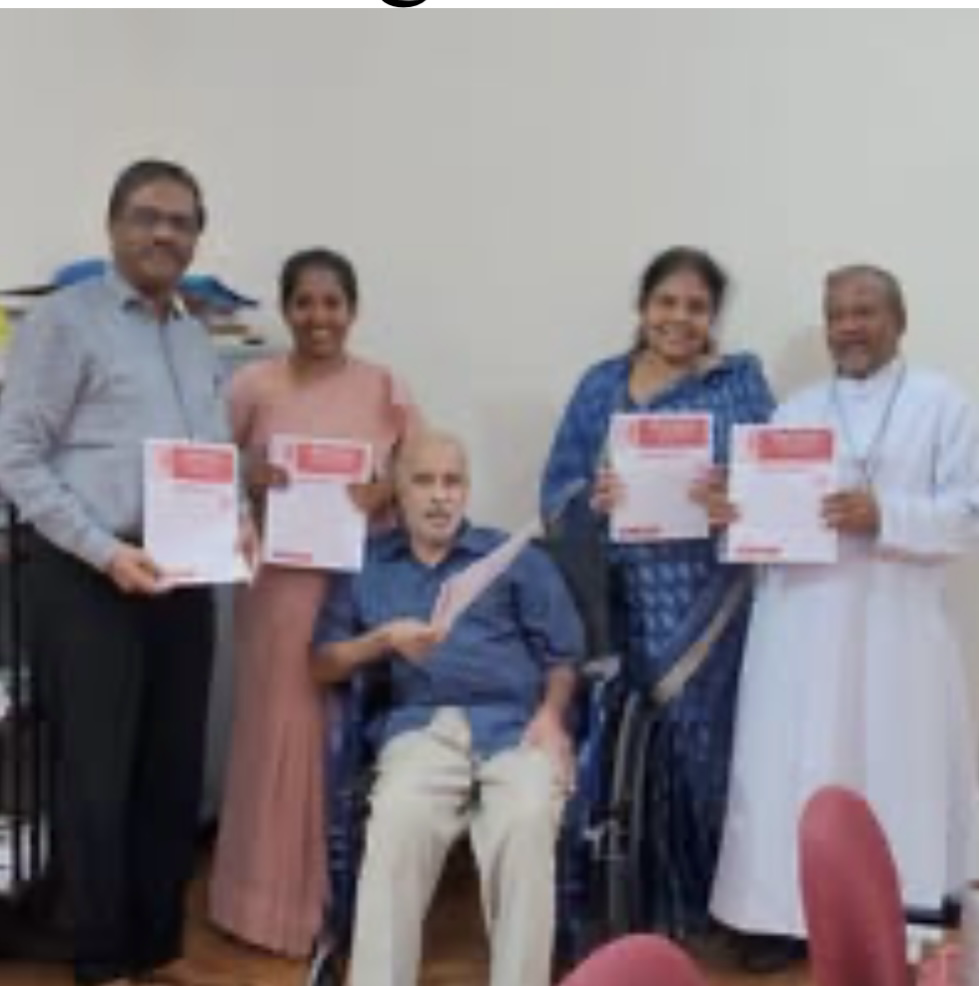
Ancy James: Your work also extended to teaching women the art of making rosaries. What inspired this initiative?
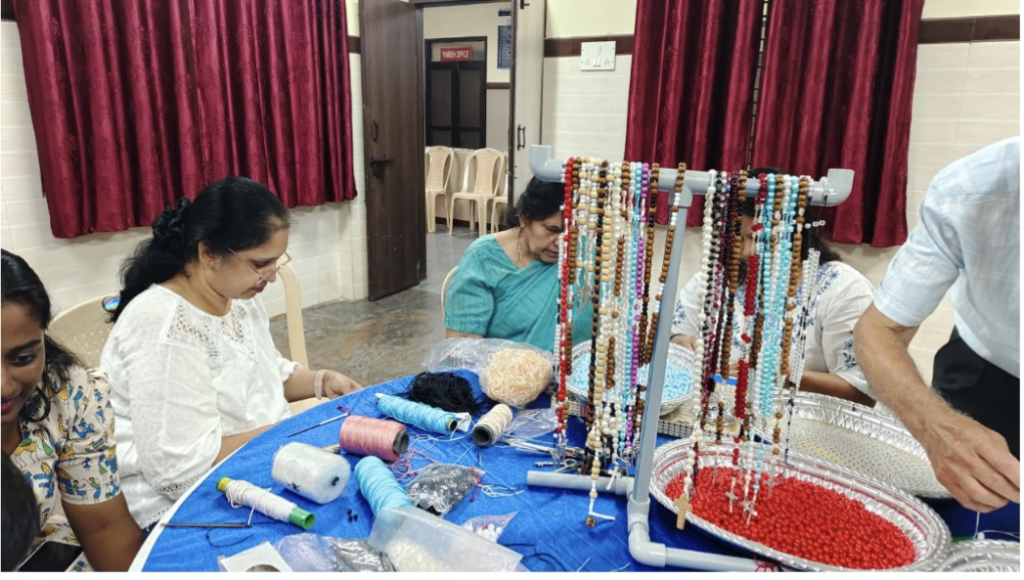
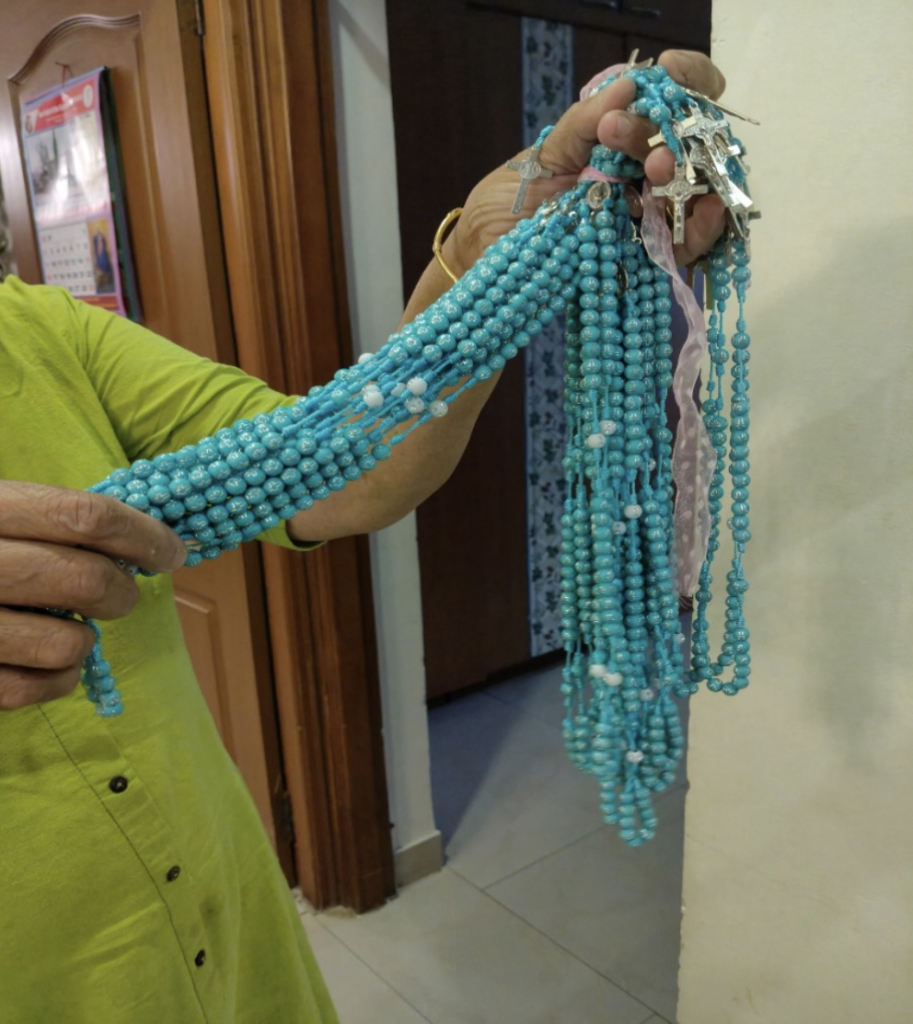
Elsy Mathew: My concern for women extended to teaching them the art of rosary-making. Several girls and women from different parts of the world came forward to learn the art and were soon making rosaries on their own for the benefit of people.
My devotion to Our Blessed Mother began in my childhood days in Kerala when I was a member of the Legion of Mary.
Presently, I make countless numbers of rosaries and send them to those who ask for them from all over the world. It is my gift to Our Blessed Mother so that devotion to the Rosary may be spread among people.
Ancy James: When you look at the number of people who have received your messages, booklets or rosaries, what does that mean to you?
Elsy Mathew: Looking back on my life, I can truly say that God has been very good to me. He blessed me with a loving family and a comfortable life and enabled us to give our children a good education.
Today, both my children are successful in life, and God has blessed me with four grandchildren.
Delhi became my home because I built my career, relationships and much of my life here. After my husband’s retirement, we moved from Delhi to Karnataka, another state and another new beginning in our lives. We are now settled in Bangalore.
But I believe that God had a different plan for me. Looking back, I can see His hand guiding me through every stage of my life. I firmly believe that He still wants me to do more work for His Kingdom, and I am grateful for the journey He has given me.
Ancy James: Your first salary was Rs. 75, and you were already supporting your parents. What was your approach to money and saving during your twenties and thirties?
Elsy Mathew: In my twenties and thirties, money was not something we took for granted. We had to be careful with whatever we earned.
My first salary was only Rs. 75 a month, so I learned very early to live within my means. I always believed that a small amount saved regularly was better than spending everything I earned.
I also had a responsibility towards my parents, and supporting them was more important to me than spending money on myself.
Those were simple days. We did not have many of the comforts and choices that young people have today, so saving came naturally to us. We learned to distinguish between what we really needed and what we simply wanted.
Ancy James: What financial habits from your generation do you believe young people today could benefit from learning?
Elsy Mathew: I believe the younger generation could learn the value of saving before spending. We were taught to live according to our income and not according to our desires.
We also believed in avoiding unnecessary debt, taking care of what we owned and being content with what we had. Sharing with family and helping someone in need was also considered an important part of life.
Today there are so many opportunities to spend money instantly. I feel young people would benefit from learning patience, contentment and the discipline of saving for the future.
Also, sharing a part of their income with their parents and grandparents. It shows how you care for them.
Ancy James: What luxuries did you willingly postpone in order to build long-term security?
Elsy Mathew: I did not think much about luxuries in those days. My priority was to become financially independent, support my parents and build a secure future.
There were many things I could have spent money on, but I was happy to postpone them. I learned that happiness does not come from having everything immediately.
Sometimes it is more satisfying to wait, work hard and eventually achieve something through your own effort.
Ancy James: What would you consider your smartest financial decision and your biggest financial mistake?
Elsy Mathew: My smartest financial decision was learning to save and live within my means from a very young age. Even when my salary was small, I tried to use it carefully and never forget my responsibilities towards my family.
I would say my biggest financial mistake was that I sometimes trusted people too easily. With age, I learned that when it comes to money, kindness should always be accompanied by wisdom and proper judgment.
But overall, I am grateful that money never became the centre of my life. I always believed that money is important for our needs and security, but it should never become more important than family, relationships, generosity and peace of mind.
Ancy James: You moved to Delhi in 1969, when communication, travel and opportunities were very different. How do you think the ambitions and priorities of today’s young adults compare with those of your generation?
Elsy Mathew: I think every generation has its own dreams, challenges and priorities.
In our younger days, our ambitions were often centred around finding a secure job, supporting our parents and siblings, building a family and creating a stable life. Opportunities were fewer, and so we learned to value even small beginnings.
When I left home and moved to Delhi in 1969, life was very different. We did not have mobile phones, the internet or the many opportunities that young people have today. Communication with home was mainly through letters, and travelling was not as easy as it is now.
But perhaps because of these limitations, we learned to be more patient, independent and content with what we had.
Today’s young people have much bigger opportunities and wider dreams. They think globally and are more willing to explore different careers and lifestyles.
In my generation, we often asked, “What is the most secure thing to do?” Today, many young people ask, “What is my passion?”
I believe both are important. Dreams give us direction, but values, responsibility and contentment give our lives meaning.
Ancy James: What do you admire most about Millennials and Gen Z?
Elsy Mathew: I truly admire the confidence and courage of today’s young people. They are not afraid to learn new things, explore the world and express their opinions.
They are comfortable with technology and can adapt quickly to changes that would have seemed unimaginable to our generation.
I also admire their desire to pursue their talents and dreams. Many young people today are willing to take risks and choose paths that earlier generations may never have considered.
They are more aware of the world around them and often speak openly about issues that affect society.
I feel that every generation has something beautiful to offer. The younger generation brings energy, creativity and new ideas, while the older generation brings experience, patience and wisdom.
When these generations listen to and learn from one another, families and communities become stronger.
Ancy James: What concerns you most about the pressures young people face today?
Elsy Mathew: I feel that young people today are living under tremendous pressure.
The world is moving very fast. There is pressure to study, succeed, earn well, look good, keep up with technology and constantly prove oneself. Social media can also make people compare their lives with others and feel that they are not successful enough.
In our days, life may have been more difficult in many practical ways, but perhaps our minds were less crowded. We had fewer choices, but sometimes fewer choices also meant less confusion.
My concern is that in the race to achieve more, young people may forget the simple things that give lasting happiness , family, friendship, faith, gratitude, kindness and inner peace.
Success is important, but it should never come at the cost of losing oneself.
Ancy James: If you were 25 years old in today’s world, what would you do differently?
Elsy Mathew: If I were 25 years old in today’s world, I think I would still hold on to the values that have guided my life, faith in God, love for family, honesty, hard work and compassion for others.
However, I would perhaps do a few things differently. I would give more importance to developing my talents and skills, continue my education whenever opportunities arose, and be more confident in pursuing my own dreams.
In my younger days, we often accepted life as it came and carried our responsibilities without questioning much. Today, young people have many more opportunities to learn, explore and grow, and I would make better use of them.
At the same time, I would be careful not to let the fast pace of modern life take away the simple joys of living. I would spend less time worrying about what others think and more time appreciating the people God has placed in my life.
I would also try to take better care of my health and give myself permission to rest and enjoy life without feeling guilty.
Most importantly, I would still keep God at the centre of my life. The world may have changed greatly, but I believe that faith, love, kindness and meaningful relationships will never go out of date.
If I were 25 again, I would embrace the opportunities of the modern world — but I would want to walk through it with the same faith and values that have carried me throughout my life.
Ancy James: What has surprised you most about the way your life unfolded?
Elsy Mathew: What surprises me most is how differently my life turned out from what I had imagined as a young girl.
I left home at 17 with very little idea of what the future would hold. I only wanted an opportunity to study and build a life of my own.
I never imagined that Delhi would become such an important part of my life, or that I would spend more than 40 years there.
Looking back, I can see God’s hand in so many things that happened along the way. What seemed like a small opportunity at the beginning became a beautiful journey filled with work, relationships, responsibilities, challenges and countless blessings.
Ancy James: Life rarely unfolds exactly as we plan. What disappointments or setbacks taught you the most?
Elsy Mathew: Life has had its share of disappointments and difficult moments. But I have learned that every setback can teach us something if we are willing to learn from it.
One important lesson I have learned is not to lose hope when things do not happen according to our plans.
Sometimes what we consider a disappointment can actually lead us in a completely different direction.
I have learned to trust God more, be patient and move forward instead of constantly looking back and asking, “Why did this happen to me?”
Ancy James: Which blessing in your life could you never have predicted when you first left home?
Elsy Mathew: The greatest blessing I could never have imagined was the life and the relationships God gave me along the way.
When I left home, I was simply a young girl hoping for an opportunity to continue my life. I could never have imagined the people I would meet, the friendships I would make, the family I would have and the many ways in which God would use my life.
Most of all, I am grateful for the faith that has accompanied me throughout my journey.
Looking back, I realise that many things I thought were coincidences were actually blessings.
Ancy James: When did Delhi stop feeling like a destination and start feeling like home?
Elsy Mathew: Delhi gradually became home to me.
In the beginning, it was simply a new city where I had come looking for opportunities. But as the years passed, I built my career, made friends, formed relationships and became part of the community.
After living there for many years, I no longer felt that I was away from home. Delhi had become a part of me.
When you spend more than 40 years of your life in one place, it is no longer just a city where you live. It becomes a part of your story.
Ancy James: If you had to describe your relationship with Delhi in one sentence, what would it be?
Elsy Mathew: Delhi was the city that gave a young girl from Kerala the opportunity to discover her abilities, build her life and become the person she was meant to be.
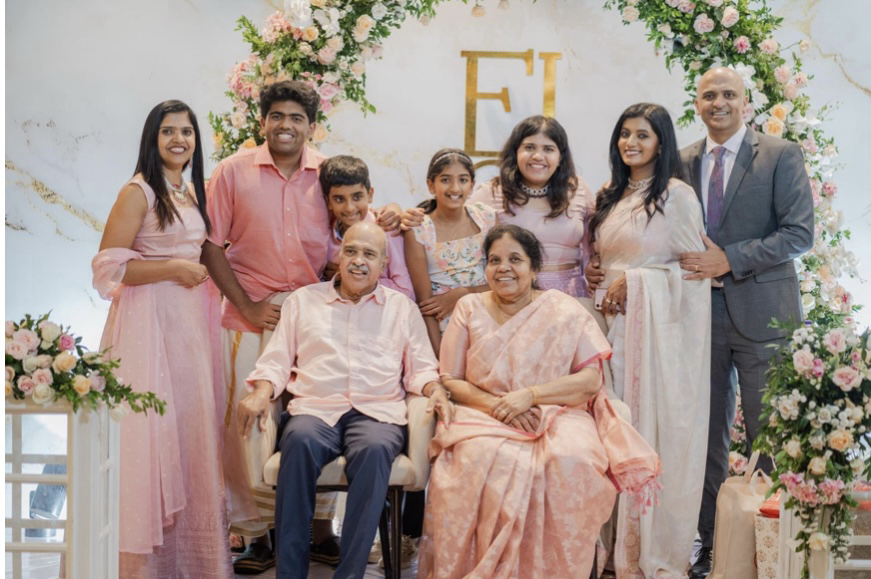
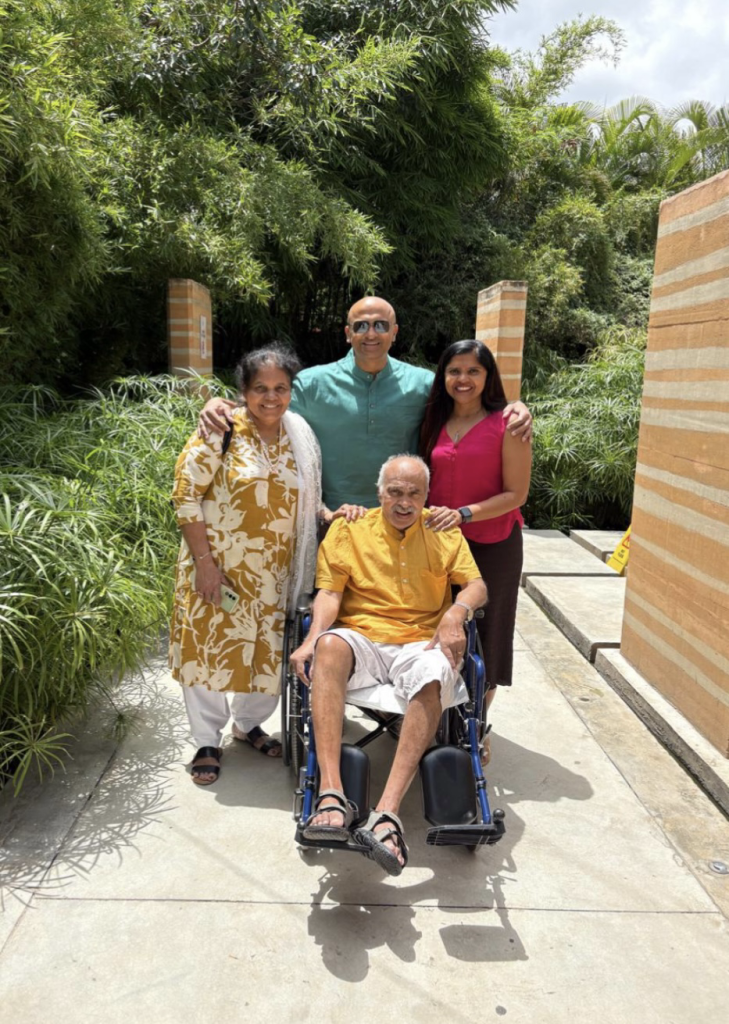
Ancy James: After retirement and a lifetime of activity, your life has taken another unexpected turn. Your husband, Mathew, is now wheelchair-bound, and you have become his full-time caregiver. What happened, and how did this change your everyday life?
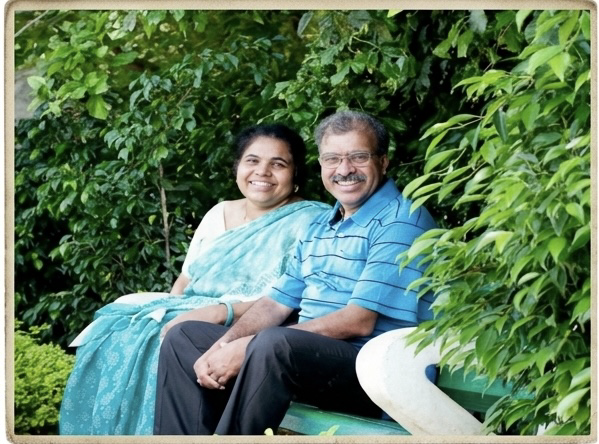
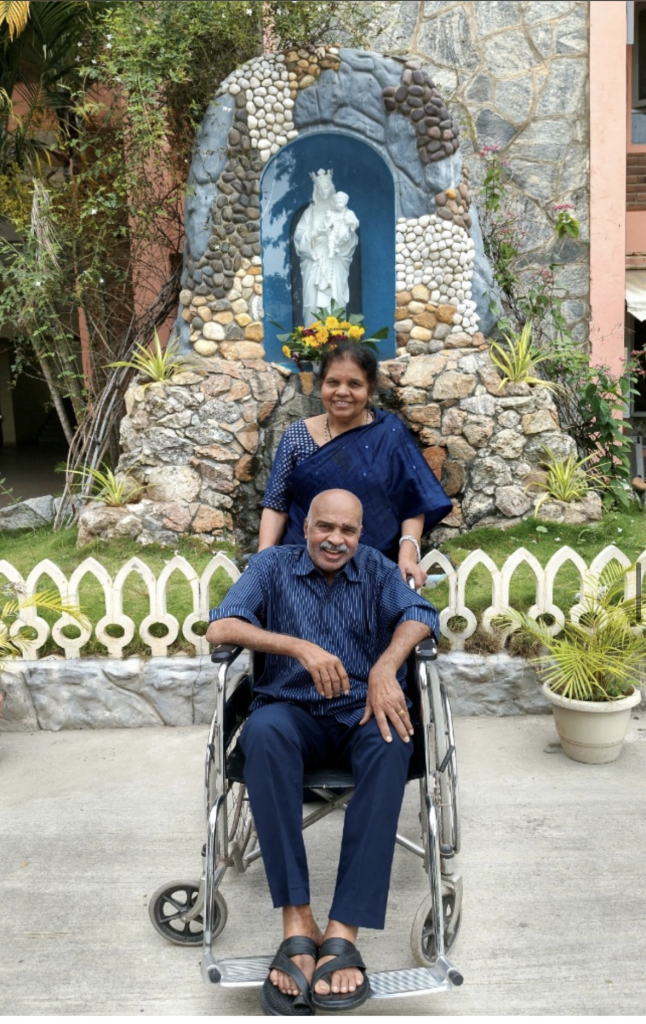
Elsy Mathew: In my family, the most unexpected and life-altering moment came when my husband, Mathew, became wheelchair-bound.
Once active and full of energy , deeply rooted in his faith and always involved in prayer and service, he suddenly found himself unable to move without help.
A long-ago bout of meningitis had quietly returned in the form of fluid accumulation in his brain, causing balance issues and gradual memory loss. It was the beginning of a long and painful journey , one that would test, stretch and transform us.
My life changed overnight. From a quiet rhythm of devotion, ministry and companionship, I now stepped into a new role, as a full-time caregiver.
Every part of my day had to be reoriented. From helping him with the smallest tasks to ensuring medical appointments, managing medications, watching over him at night and being a constant presence, I had to let go of my familiar comforts and take on this cross, lovingly and patiently.
At first, I felt overwhelmed. But slowly, I realised this too was part of God’s call, a deeper invitation to love through service.
I came to understand that caregiving is not only a duty, it is a ministry of love, one that often goes unseen but is precious in God’s eyes.
I sensed the Lord asking me to trust, not in what I could see, but in his invisible hand, always providing strength.
Ancy James: During such a demanding time, how important has the support of your children and family been?
Elsy Mathew: The fact that our daughter was with us through this most difficult time is a source of immense strength. She wholeheartedly supported me in taking care of her father. And her two children were and are a source of great emotional support.
Our son, though he lives in another country, supported us with love, prayers and regular calls.
Ancy James: You have spoken about faith guiding you through different stages of life. Was there a particular moment during your husband’s illness when that faith became especially meaningful?
Elsy Mathew: In our lowest moment, when my husband was in the ICU with complications and advanced dementia, God showed us His mercy in a miraculous way.
A medical sister prayed over him using blessed oil and a medal from Kreupasanam.
That night, Mathew had a vision of Mother Mary. She looked at him gently and said, “Why are you lying here? Why don’t you get up?”
To which he answered, “I’m helpless.”
She simply replied, “You can.”
The next morning, he began to improve. Two days later, he was discharged from the hospital, to the astonishment of the doctors.
That experience remains etched in our hearts as a profound sign of divine intervention.
Ancy James: What would you like other families and elderly couples to understand about caring for a loved one through illness?
Elsy Mathew: This testimony is not just mine, it is for every elderly couple navigating life with dignity and faith.
The Christian community, especially, has a role to play , to be a source of support, prayer and companionship to those in suffering.
Simple acts of presence, listening or help can make all the difference.
What motivates my faithfulness is not merely a sense of duty, it is the deep awareness that God is at work, even in suffering. In fact, it is often in suffering that we see Him most clearly.
This truth gives me the strength to move forward, one day at a time, even when the path is hard.
My hope in life is not rooted in temporary relief, but in eternity. I trust that everything lies under God’s perfect plan, and nothing happens without His knowledge.
As long as I have breath, I want to remain faithful, in love, in service and in prayer.
Ancy James: Has this new chapter changed the way you understand love, faith and the purpose of your life?
Elsy Mathew: So yes, my life today is different, slower, quieter, more demanding. But it is also full of grace.
I see the face of Christ in my husband’s dependence. I feel the presence of the Holy Spirit in every small moment of care. I find comfort in the embrace of Mother Mary, who continues to guide us with her tenderness.
And above all, I live each day with the quiet, steady hope that God is not finished with me yet.
Ancy James: At this stage of your life, what gives you meaning today?
Elsy Mathew: Today, my faith in God gives my life meaning.
I believe God has a purpose for every life, and that we are blessed not only to receive, but also to give.
I find great joy in encouraging people, sharing God’s Word, praying for others and offering whatever little I can to make someone’s life better.
I also find great meaning in my family and in the opportunity to share my experiences with the younger generation.
At this stage of my life, I feel that my greatest wealth is not what I have accumulated, but the people I have loved, the lives I have touched and the memories I have created.
Ancy James: What message would you like to leave for your children, grandchildren and future generations?
Elsy Mathew: My message to my children, grandchildren and future generations is simple: Keep God at the centre of your life, work hard, remain humble and never lose hope.
Do not measure your life only by money, success or possessions. Relationships, kindness, faith and integrity are far more valuable.
Learn to be grateful for what you have. Help those who are in need. Forgive easily. Spend time with the people you love. And never be afraid to begin something new.
Most importantly, trust God. You may not always understand His plan, but He sees the whole picture when we can see only a small part of it.
Ancy James: Imagine that young woman who first arrived in Delhi, carrying a suitcase and a head full of dreams. If you could speak to her today, what would you tell her?
Elsy Mathew: I would tell that young girl:
“Do not be afraid. You are beginning a journey you cannot yet understand, but God is already walking ahead of you.
You may not have much money, you may not know what the future holds, and there will be challenges along the way. But keep your faith, work hard and remain true to yourself.
There will be moments when you will wonder where life is taking you. Do not be discouraged. Some of the greatest blessings of your life will come through doors you never expected to open.
And one day, when you look back, you will realise that the journey was far more beautiful than the dreams you carried in that little suitcase.
Trust God. Keep going. Your story is only beginning.”
About the Author:
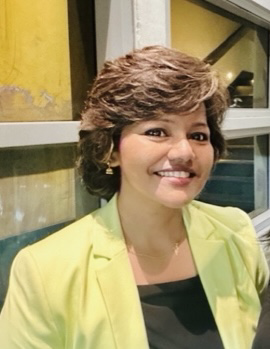
Ancy James is a Television Producer , writer, entrepreneur and the Series Producer of “Generation Before Us: The journeys that made our journeys possible.”
With 17 years in television as a producer and storyteller, followed by over 12 years of building her own business, Ancy has spent much of her professional life finding stories, creating narratives and understanding what makes people and their journeys worth listening to.
The idea for Generation Before Us comes from a curiosity about what often gets lost between generations. We live in a world where artificial intelligence can generate answers in seconds, social media encourages us to document almost every moment, and personal stories are increasingly shaped by how they appear to the outside world. Yet, some of the most extraordinary stories belong to people who lived before any of this existed, people who built careers without professional networks, navigated unfamiliar cities without digital maps, raised families through changing times and made opportunities where few were readily available.
Ancy conceived this series as an invitation to pause and look back. Not through nostalgia or idealisation, but through conversations that recognise the ingenuity, sacrifices, choices and quiet determination of a generation whose experiences have shaped the freedoms and possibilities we often take for granted.
Her belief is simple: perhaps, in our rush to build better lives, we have forgotten to understand the lives that made ours possible.
We look everywhere for wisdom, answers and inspiration, yet overlook the extraordinary library of lived experience sitting across our dining tables.
Through Generations Before Us series, she hopes to remind readers that before we rush to teach the next generation how to live, we must make time to listen to the one that came before us. For in their stories lie not just memories of another time, but lessons in resilience, relationships, courage, contentment and the art of making a life.
She believes that we may be the first generation to have everything documented, yet risk being the last to truly listen to the stories that shaped us and are an important part of our collective history.