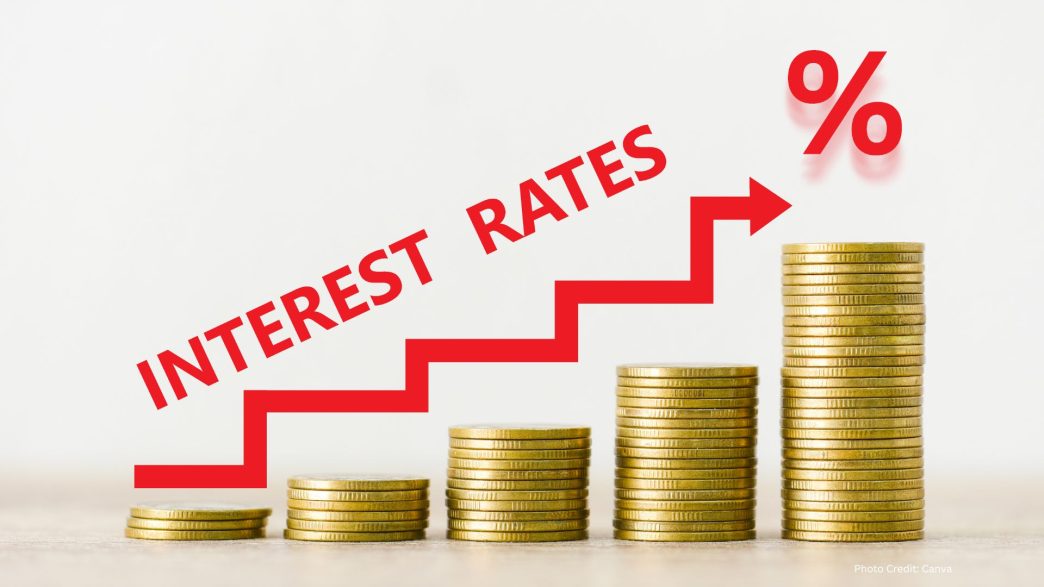
The Federal Reserve has opted to keep its benchmark interest rate steady at 5.25% to 5.50%, reflecting a cautious stance as inflation persists and economic indicators present a complex outlook.
The Federal Reserve announced on September 20, 2023, that it will maintain its benchmark interest rate in the range of 5.25% to 5.50%. This decision, made during a meeting of the Federal Open Market Committee (FOMC), underscores a cautious approach by the central bank amid ongoing economic uncertainties, particularly concerning inflation and employment dynamics.
Current Economic Context
Inflation remains a central focus for the Federal Reserve, with the Consumer Price Index (CPI) reporting a year-over-year increase of 3.7% as of August 2023. This figure exceeds the Fed’s long-term inflation target of 2%, indicating persistent inflationary pressures that have prompted the central bank to adopt a careful stance regarding future rate adjustments. Core inflation, which excludes the more volatile categories of food and energy, also remains elevated, signaling that inflationary trends are not confined to just a few sectors.
Federal Reserve Chair Jerome Powell emphasized the Fed’s commitment to addressing inflation, stating, “We are committed to bringing inflation down to our target, but we also recognize the need to assess the broader economic landscape. The decision to hold rates steady reflects our cautious approach amidst ongoing uncertainties.” This statement reflects the balancing act the Fed faces between controlling inflation and supporting economic growth.
Labor Market Dynamics
The labor market exhibits mixed signals as well. The unemployment rate stands at 3.8%, which is historically low; however, the pace of job creation has shown signs of deceleration. In August, the U.S. economy added 187,000 nonfarm jobs, a figure below economists’ expectations and indicative of potential headwinds that may challenge continued economic expansion. Analysts are closely monitoring these trends, as they could impact consumer spending and business investment in the coming months.
Experts have provided varied perspectives on the implications of the Fed’s decision. Lisa D. Johnson, chief economist at the National Economic Association, noted, “The Fed is walking a tightrope; they must balance the risks of inflation with the potential for slowing growth.” This sentiment captures the complexities the Fed must navigate as it weighs the risks of inflation against the possibility of a cooling economy.
Market Reactions
Financial markets reacted favorably to the Fed’s announcement. The Dow Jones Industrial Average rose by 250 points following the news, reflecting investor confidence in the Fed’s commitment to maintaining stability in the face of economic uncertainty. Bond yields also experienced a decline, indicating a shift in market expectations regarding future interest rate hikes. These movements signal that investors are reassured by the Fed’s decision to prioritize economic stability over aggressive monetary tightening.
Future Outlook
Looking ahead, the Federal Reserve has indicated that it remains open to future rate increases, depending on evolving economic conditions. The next FOMC meeting is scheduled for late October, where the central bank will reassess economic indicators, including inflation trends and labor market developments. Powell reiterated the importance of a flexible policy stance, stating, “We are prepared to adjust our approach as necessary to ensure that we fulfill our dual mandate of promoting maximum employment and stable prices.” This flexibility is a cornerstone of the Fed’s strategy as it navigates the uncertain economic landscape.
Implications for Consumers and Businesses
The Fed’s decision to hold interest rates steady carries significant implications for consumers and businesses. For borrowers, particularly those with variable-rate loans such as credit cards and adjustable-rate mortgages, the decision means that borrowing costs will remain unchanged for the foreseeable future. This stability could encourage consumers to maintain spending levels, which is crucial for economic growth.
Conversely, savers may continue to face lower returns on savings accounts and fixed-income investments, as interest rates remain at historically low levels. Businesses, on the other hand, may find the stable interest rate environment conducive for expansion and capital investment. However, uncertainty about inflation and overall economic growth could still lead to cautious spending and investment decisions by companies.
Conclusion
The Federal Reserve’s decision to maintain interest rates reflects a careful balancing act amid mixed economic signals. With inflation continuing to pose a challenge, the central bank remains poised to respond flexibly to future developments, ensuring that its monetary policy is aligned with the overarching economic situation. Stakeholders, including policymakers, investors, and consumers, will be closely monitoring forthcoming economic data and the Fed’s subsequent meetings to gauge the potential trajectory of interest rates and the broader economic landscape.