Direct negotiations between the United States and Iran, mediated by Pakistan, began on Saturday, marking the highest-level engagement between the two nations since 1979. Despite the significance of this diplomatic milestone, the prospects for a successful outcome appear limited due to fundamental differences in visions for peace.
ISLAMABAD, Pakistan — Direct negotiations between the United States and Iran commenced on Saturday, facilitated by Pakistan, according to a White House official. This meeting represents a historic diplomatic engagement, being the first high-level interaction between U.S. and Iranian officials since the Iranian Revolution in 1979, which severed formal diplomatic ties between the two nations.
The stakes are notably high, as both countries face the potential for renewed conflict should these negotiations falter. While the talks are seen as a significant opportunity for dialogue, analysts express skepticism regarding the likelihood of a breakthrough, given the starkly contrasting perspectives each side holds regarding peace and security in the region.
Details of the Negotiations
The U.S. delegation is led by Vice President JD Vance, accompanied by key figures such as White House envoy Steve Witkoff and Jared Kushner, former President Donald Trump’s son-in-law. A comprehensive team of U.S. experts in relevant subject areas has also been assembled in Islamabad, with additional support from Washington, D.C.
The Iranian delegation is spearheaded by Speaker of Parliament Mohammad Bagher Ghalibaf and includes Foreign Minister Abbas Araghchi. The talks involve significant participation from Pakistani authorities, with Prime Minister Shehbaz Sharif and Foreign Minister Ishaq Dar attending as facilitators of the negotiations.
Prior to the direct negotiations, the delegations exchanged messages through separate meetings with Prime Minister Sharif, which served to establish a foundation for the face-to-face discussions. This preparatory step underscores the complex nature of the diplomatic engagement, highlighting the necessity of establishing mutual trust following decades of animosity.
Historical Context and Current Implications
The backdrop of U.S.-Iran relations is marked by a history of tension, particularly following the 1979 Iranian Revolution, which led to the overthrow of the U.S.-backed Shah and the establishment of the Islamic Republic of Iran. In the decades since, the U.S. has imposed a series of sanctions aimed at curtailing Iran’s nuclear ambitions and limiting its influence in the Middle East. The Joint Comprehensive Plan of Action (JCPOA), signed in 2015, temporarily alleviated some sanctions in exchange for limits on Iran’s nuclear program. However, the U.S. withdrawal from the agreement in 2018 under the Trump administration reignited hostilities.
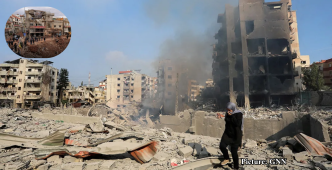
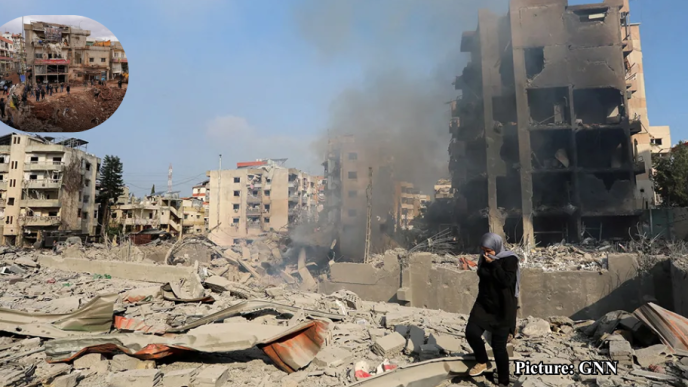
The current negotiations occur amidst heightened geopolitical tensions in the region, particularly regarding Israel’s military actions in Lebanon and beyond. Reports from Iranian media suggest that the Iranian delegation agreed to direct talks following assurances that Israel would restrain its military operations in southern Lebanon and Beirut. However, the authenticity of such commitments remains uncertain, with U.S. officials denying any agreement regarding the release of frozen Iranian funds, which Iran reportedly tied to its decision to engage in these negotiations.
Both nations face significant internal challenges that complicate the negotiation process. The U.S. is grappling with domestic political opposition to any concessions made to Iran, while Iran is contending with economic hardships exacerbated by ongoing sanctions and internal dissent. These factors add layers of complexity to an already intricate diplomatic landscape.
Future Prospects
The outcome of these negotiations could have profound implications for regional stability and international relations. A successful dialogue may pave the way for a new framework for U.S.-Iran relations, potentially restoring some level of economic cooperation and reducing geopolitical tensions. Conversely, failure to reach an agreement could escalate military confrontations in the region and entrench existing animosities further.
As discussions progress, the international community is closely monitoring the situation, hoping for a de-escalation of hostilities and a renewed commitment to dialogue between the two nations. The uncertainty surrounding these talks emphasizes the need for both sides to navigate their domestic and international pressures with care as they seek to identify common ground.
In conclusion, the direct negotiations taking place in Islamabad represent a rare opportunity for engagement between two long-opposed nations. While initial steps have been taken towards dialogue, the path ahead is fraught with challenges that must be addressed for any meaningful progress toward peace. The specter of renewed conflict looms large, making the success of these talks critical not only for U.S.-Iran relations but for the broader stability of the Middle East.