
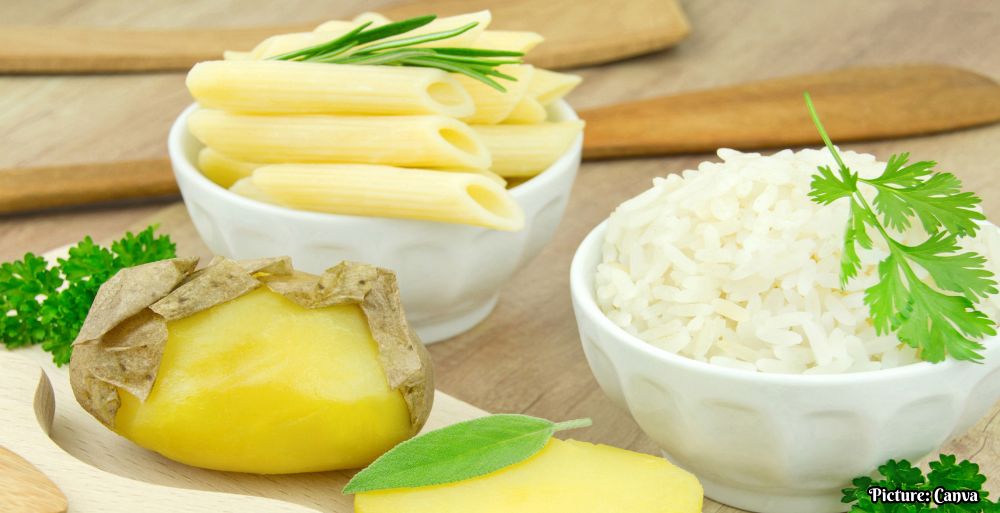
Dietitians weigh the nutritional benefits and drawbacks of rice and potatoes, two common starchy foods, highlighting which options may be healthier choices for a balanced diet.
In a detailed analysis of two staple foods in many diets, registered dietitians Jordan Langhough and Amanda Pasko provide insights into the nutritional profiles of rice and potatoes. Their assessment, published on a wellness platform, explores the health implications of these foods, including their benefits and potential drawbacks.
Rice: Nutritional Benefits and Varieties
According to dietitian Jordan Langhough, the healthiest types of rice are whole grain varieties that retain their bran, germ, and endosperm. These components are essential for providing fiber, B vitamins, magnesium, and antioxidants, which support overall health. Langhough explains that whole grain rice options digest more slowly than refined white rice, preventing rapid spikes in blood glucose levels and maintaining steady energy throughout the day.
Among the healthiest rice options, brown rice stands out. It is recognized for its higher protein and fiber content compared to white rice. Research published in BMJ Open indicates that regular consumption of brown rice is associated with a lower risk of developing type 2 diabetes and increased levels of HDL cholesterol, commonly referred to as ‘good’ cholesterol. This aspect makes brown rice a widely recommended choice for those looking to enhance their dietary health.
Black rice, also known as forbidden rice, is another nutritious variety. Amanda Pasko highlights its low glycemic index and rich antioxidant content, particularly anthocyanins, which may improve insulin sensitivity and reduce the risk of cardiovascular diseases and diabetes, as suggested by studies in Frontiers in Nutrition.
Red rice is similarly praised for its high fiber content and antioxidants. These compounds can help protect against age-related diseases, including cardiovascular disease and metabolic syndrome. Wild rice, although technically a seed, offers a chewy texture and double the protein and fiber of standard white rice, making it a beneficial addition to a balanced diet.
Potential Downsides of Rice Consumption
Despite the benefits, both Langhough and Pasko caution that rice is primarily a carbohydrate source. Consuming large portions can lead to significant blood sugar spikes, particularly concerning for individuals managing their blood sugar levels. They recommend pairing rice with low-fat proteins, healthy fats, and non-starchy vegetables to mitigate these effects.
Another concern involves the arsenic levels found in rice, as it tends to absorb more arsenic from the soil compared to other crops. To minimize arsenic consumption, Langhough advises varying grain choices and rinsing rice thoroughly before cooking. Cooking rice in a large quantity of water and draining excess water can further reduce arsenic levels.
Potatoes: Nutritional Insights
Like rice, potatoes are a common dietary staple, classified mainly into white and sweet varieties. Amanda Pasko emphasizes that, when prepared correctly, white potatoes offer significant nutritional benefits. They are an excellent source of potassium, vitamin C, vitamin B6, and magnesium. Interestingly, cooling cooked white potatoes in the refrigerator transforms their starches into resistant starch, which acts similarly to fiber, aiding gut health and improving insulin sensitivity.
Sweet potatoes, in contrast, are noted for their high beta-carotene content, an antioxidant crucial for combating inflammation and supporting immune function. Research published in Food Science & Nutrition indicates that sweet potatoes can improve insulin sensitivity and regulate glucose metabolism, further reducing the risk of type 2 diabetes.
Challenges in Potato Preparation
Despite their benefits, the nutritional value of potatoes can be compromised by unhealthy preparation methods. Langhough points out that commonly enjoyed forms of potatoes—such as fries and chips—are calorie-dense and often lack the nutrients inherent in whole potatoes. Additionally, the addition of saturated fats, such as butter or cheese, can negate the health benefits.
Hot white potatoes have a high glycemic index, which can lead to rapid blood sugar spikes. Therefore, consuming potatoes in a manner that allows for resistant starch formation, such as boiling or baking, is recommended to maximize their health benefits.
Comparative Nutritional Value: Rice vs. Potatoes
When comparing rice and potatoes from a nutritional standpoint, the consensus among the dietitians is that potatoes may have the edge. Pasko notes that potatoes are more nutrient-dense than rice, providing higher amounts of potassium, vitamin C, and vitamin B6 per calorie. Furthermore, their higher satiety index indicates that potatoes may help individuals feel full with smaller portion sizes.
In conclusion, while both rice and potatoes can be part of a healthy diet, the preparation methods and types selected can significantly influence their health benefits. Dietitians recommend mindful consumption practices to maximize the nutritional contributions of these starchy foods.