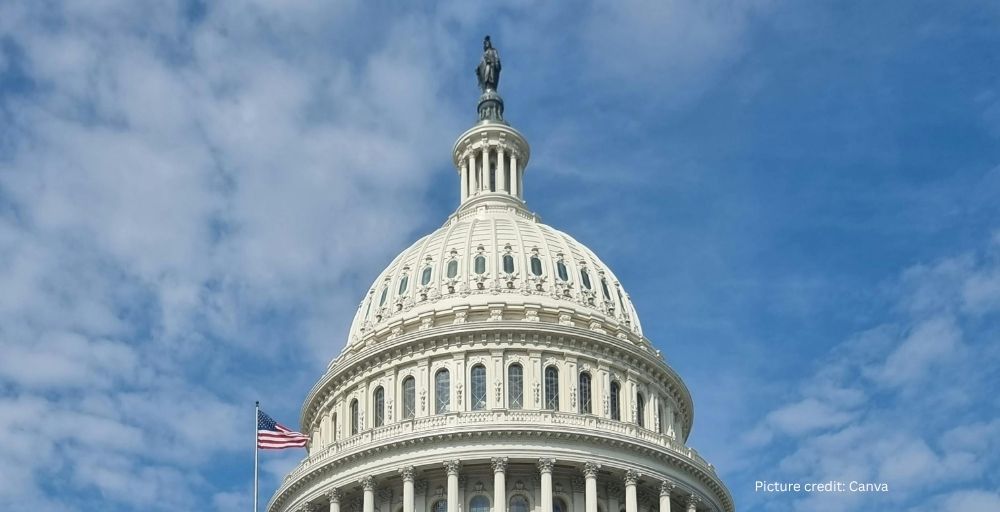
Congress has passed a funding bill for the Department of Homeland Security (DHS) following a protracted shutdown, which left many employees unpaid and operations disrupted.
On Thursday, Congress resolved a historic funding standoff by passing a bill that allocates necessary funds to the Department of Homeland Security (DHS) through the end of the fiscal year on September 30. However, the legislation notably excludes funding for Immigration and Customs Enforcement (ICE) and the Border Patrol, a decision that has ignited considerable debate among lawmakers and reflects the ongoing partisan tensions surrounding immigration enforcement in the United States.
House Speaker Kevin McCarthy characterized the Senate-passed bill as “haphazardly drafted,” emphasizing that House Republicans needed to initiate a party-line process to secure funding for immigration agencies before addressing the broader DHS budget. “We threw a fit, and we had to,” McCarthy remarked, illustrating the internal divides within the Republican Party regarding DHS funding priorities.
Urgency of Funding and DHS Operations
The urgency for a funding resolution was underscored by warnings from Homeland Security Secretary Markwayne Mullin, who indicated that the department was on the brink of running out of payroll funds for its workers. The DHS had been relying on a $10 billion fund to cover employee salaries during the funding gap, but that reserve was nearing depletion, raising alarm about the potential consequences for DHS operations and personnel.
Under the newly approved funding package, all divisions of DHS, except for ICE and the Border Patrol, will continue to receive financial support until the end of the fiscal year. This decision has drawn sharp criticism from some Republican lawmakers, including Rep. Chip Roy from Texas, who expressed outrage at the separate funding of immigration agencies. “The idea that we’re isolating Border Patrol and isolating ICE is offensive to the men and women who serve,” Roy stated on the House floor prior to the bill’s passage. He labeled the decision as “absolutely ridiculous,” reflecting a significant rift within the GOP over immigration enforcement priorities and the role of these agencies in national security.
Legislative Provisions and Political Dynamics
The funding legislation includes newly established guidelines on immigration enforcement tactics, negotiated earlier in the year. However, it does not encompass several additional measures sought by Democrats, such as barring immigration officers from wearing masks during operations and instituting requirements for judicial warrants to conduct arrests or enter private properties.
The outcome of the funding impasse largely aligns with the fallback plan advocated by top Democrats, who had been preparing for a scenario in which Republicans would not agree to new enforcement restrictions. Rep. Rosa DeLauro of Connecticut, who leads the House Appropriations Committee, had introduced a measure more than two months ago to fund all but ICE and Customs and Border Protection at DHS. “It is about damn time that you come forward and do this,” DeLauro asserted on the House floor just before the measure passed, highlighting the prolonged nature of negotiations and the frustration felt by many Democrats.
Throughout the shutdown, House Republicans consistently attempted to advance legislation to fund the entirety of DHS, challenging their Democratic counterparts to oppose such measures. While some Democrats broke ranks to support these Republican efforts, the bills faced consistent opposition in the Senate, where they were thwarted by filibusters, illustrating the deep partisan divide over immigration policy and funding priorities.
Consequences for DHS Personnel and Operations
The shutdown had profound implications for DHS personnel, particularly for those not classified as law enforcement. Many employees, including Transportation Security Administration (TSA) agents, were forced to work without pay for extended periods. The situation became increasingly untenable, prompting President Trump to direct DHS to temporarily cover their paychecks last month, a move aimed at alleviating the growing unrest among workers.
Since the commencement of the funding lapse, over 1,100 TSA agents have resigned, raising alarms about the operational capacity of the agency. Additionally, various homeland security initiatives have been halted, including critical preparations for the upcoming World Cup soccer matches scheduled to be hosted in U.S. cities this summer. The ramifications of the funding crisis have raised significant concerns about the efficiency and effectiveness of DHS in fulfilling its core responsibilities.
Looking Ahead: Implications for Future Negotiations
As Congress emerges from this funding crisis, the political landscape surrounding immigration policy and DHS funding remains contentious. Both parties continue to hold firm to their positions, and future negotiations may prove challenging as they grapple with the complexities of border security and immigration enforcement. The implications of this funding standoff extend beyond immediate operational concerns, potentially affecting the broader discourse on immigration policy in the upcoming legislative sessions.
Moving forward, lawmakers will need to navigate these divisions carefully, as the stakes continue to rise not only for DHS operations but also for national security and public trust in federal institutions. The ongoing debate over immigration funding and enforcement is likely to remain a focal point in American politics, shaping the strategies and priorities of both parties as they prepare for future legislative battles.