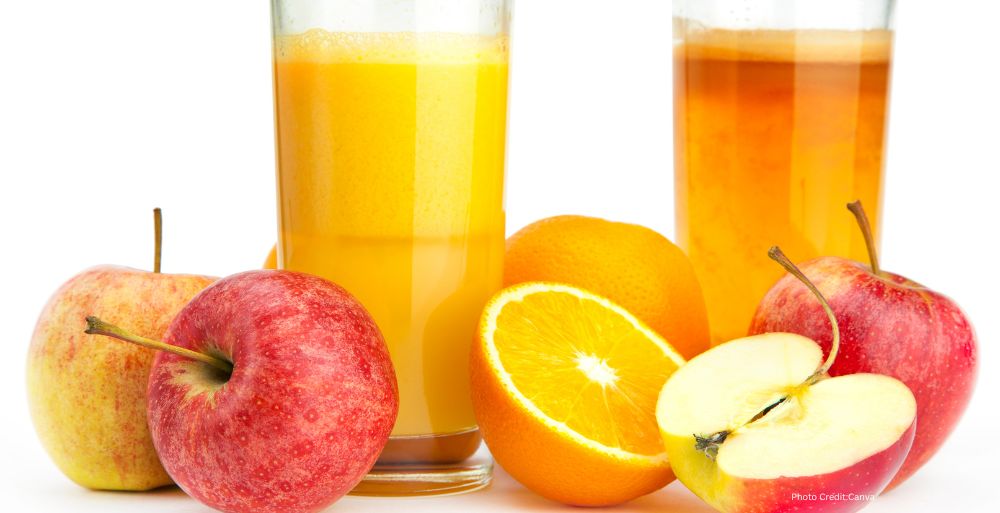
A thorough examination of the effects of orange juice and apple juice on blood sugar levels indicates that both beverages contain similar sugar content, necessitating moderation in consumption and a preference for whole fruits.
In a detailed analysis of dietary choices regarding blood sugar management, recent findings highlight the similarities and differences between orange juice and apple juice. Both beverages can significantly influence blood sugar levels, with neither offering a clear advantage over the other. The report emphasizes the importance of moderation and the benefits of whole fruits in maintaining a balanced diet.
Nutritional Comparison of Juices
According to nutritional data from the U.S. Department of Agriculture, one cup of unsweetened orange juice contains approximately 117 calories, 27.4 grams of carbohydrates, 0.7 grams of fiber, and 22 grams of total sugar. In comparison, a similar serving of unsweetened apple juice contains about 114 calories, 28 grams of carbohydrates, 0.5 grams of fiber, and 24 grams of total sugar. While orange juice has slightly lower sugar content and marginally more fiber than apple juice, both drinks can cause rapid increases in blood sugar levels.
Understanding the Health Implications
Experts note that both orange juice and apple juice contain beneficial vitamins, minerals, and antioxidants that set them apart from sugary sodas and artificially sweetened beverages. Research has suggested that fruit juices elicit a different metabolic response compared to drinks with added sugars. For instance, a study published in Nutrients indicated that the consumption of fruit juices might induce varying metabolic effects when compared to sugary drinks, pointing towards the complexity of how our bodies process natural sugars.
However, the concentrated carbohydrates found in fruit juices can significantly impact blood sugar management, especially for individuals who are monitoring their carbohydrate intake. For example, if a person aims to limit their carbohydrate intake to 30 grams per meal, a serving of fruit juice that contains over 20 grams of carbohydrates leaves limited room for additional carbohydrates in the meal. Thus, it is crucial to manage portion sizes and incorporate juices within a broader dietary context that includes high-fiber, protein-rich, and healthy fat foods.
Strategies for Blood Sugar Management
To mitigate potential blood sugar spikes associated with fruit juice consumption, experts recommend several strategies:
- Portion Control: Keeping juice servings small can help reduce the overall carbohydrate load in a meal. For instance, using juice in cooking or as an ingredient in recipes allows for smaller servings while still enjoying the flavor and nutritional benefits.
- Pairing Juices with Nutrient-Dense Foods: Consuming juices alongside foods rich in fiber, protein, and healthy fats can help balance the glycemic impact, reducing the likelihood of rapid blood sugar increases.
- Choosing 100% Juice: Consumers should ensure they select juices labeled as 100% juice with no added sugars, which can exacerbate blood sugar issues.
The Superiority of Whole Fruits
Despite the convenience of juice, whole fruits are generally considered the healthier choice. Whole fruits provide significantly more fiber, which leads to greater satiety and a reduced risk of blood sugar spikes. For example, one whole orange contains double the fiber and half the sugar compared to a 12-ounce glass of orange juice. Replacing whole fruits with juices diminishes the health benefits associated with a high-fiber diet, as emphasized by various dietary guidelines.
Moreover, research has shown that the speed at which juice is consumed can contribute to a more pronounced metabolic response. A study highlighted in Nutrients suggested that the rapid ingestion of sugary liquids could be associated with more severe metabolic effects. This underscores the importance of mindful consumption practices, especially for those at risk of developing insulin resistance or type 2 diabetes.
Conclusion: Prioritizing Whole Fruits
While both orange juice and apple juice can be enjoyed as part of a balanced diet, moderation is key. Whole fruits should be prioritized due to their superior fiber content and lower risk of blood sugar spikes. As dietary choices continue to evolve, understanding the impact of different foods on health becomes crucial for making informed decisions. Experts consistently advocate for a holistic approach to nutrition that emphasizes whole foods over processed alternatives.
In summary, although orange juice and apple juice can contribute essential nutrients to the diet, their high sugar content and low fiber make them less desirable compared to whole fruits for individuals concerned about blood sugar levels. Balancing juice consumption with whole fruits and nutrient-dense foods can help individuals maintain better blood sugar control while still enjoying the flavors and benefits of these popular beverages.