The commercialization of Diwali, a significant Hindu festival, has led to both celebration and concern among the diaspora in the United States as major retailers increasingly integrate the holiday into their marketing strategies.
As the festival of Diwali approaches, big-box retailers across the United States have begun to prominently feature the holiday in their product offerings. This year’s Diwali, which is celebrated from November 6 to 10, has seen a notable increase in the availability of related merchandise, ranging from decorative items to themed food products. However, this rising visibility has elicited mixed reactions from members of the Hindu community, who celebrate the recognition of their culture while simultaneously lamenting the loss of the festival’s spiritual essence.
In New York City, shoppers have reported that many stores are running low on Diwali-themed items. At HomeGoods, for instance, the last available Diwali product was a sequined sign reading “Happy Diwali,” complete with glittery peacocks and candleholders. Target customers have also noted that popular items, such as Rangoli kits, have sold out, while other retailers like TJ Maxx have seen their shelves filled with the last remaining decorative pieces, including golden elephants and candle holders.
Commercialization Versus Spirituality
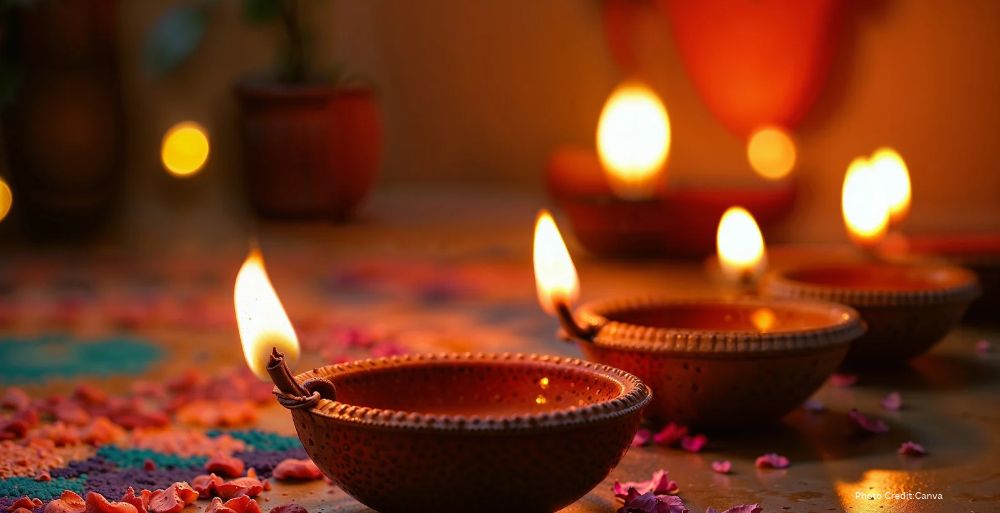
Diwali, known as the festival of lights, holds deep spiritual significance for Hindus, symbolizing the triumph of good over evil and light over darkness. Traditionally, the festival spans five days, with each day dedicated to different deities and rituals. The first day honors Dhanvantari, the god of medicine, and Lakshmi, the goddess of wealth, while the fifth day celebrates sibling bonds through various traditional customs.
Despite the festival’s rich history, the commercialization of Diwali in the U.S. appears to focus primarily on the celebratory aspects associated with the third day, which features family prayers, festive meals, and fireworks. “The spirituality is completely lost,” said Sangeetha Kowsik, the Hindu chaplain at New York University. Kowsik argues that the deeper meanings inherent in the festival are overshadowed by a simplified, consumer-oriented portrayal that has led some to liken Diwali to an “Indian Christmas.” She urges retailers to provide educational materials alongside Diwali products to help shoppers understand the festival’s spiritual context.
Growing Interest and Market Demand
Despite concerns about commercialization, some members of the South Asian community appreciate the increased visibility of Diwali in mainstream American culture. Anuja Mehra, owner of Tinted Heritage, a small business specializing in Indian-style home decor, expressed her support for the representation, stating that it validates the experiences of Indian Americans. “On one hand, I genuinely love seeing Diwali become more visible in the mainstream American stores because recognition matters,” Mehra noted. However, she also cautioned that major retailers often treat Diwali like another holiday rather than honoring its cultural significance.
This year, several brands have embraced Diwali in their marketing strategies, reflecting a growing recognition of the festival’s importance. For the first time, Baked by Melissa offered a Diwali-themed box of cupcakes, priced at $39, which quickly garnered attention from consumers. Additionally, luxury brands such as Cartier and Swarovski have hosted exclusive Diwali events and launched product lines aimed at celebrating the holiday, further indicating its integration into American consumer culture.
The popularity of Diwali-themed products has generated substantial interest across various retail sectors, with Costco, Walmart, and Target all featuring dedicated Diwali sections in their stores. Items such as decorative lanterns and patterned ceramic cups have flown off the shelves as shoppers seek to embrace the festival in their homes.
Community Perspectives on Commercialization
While many consumers express enthusiasm for the availability of Diwali items, there is a cautious skepticism regarding the potential for cultural appropriation. Critics have pointed to a history of Western brands profiting from Indian cultural symbols without proper acknowledgment of their origins. Instances of traditional garments and accessories being rebranded or sold at inflated prices have raised concerns within the community.
Yet, there remains a sense of optimism that the presence of Diwali products in mainstream retail spaces may foster greater awareness and curiosity about the festival. Interviews with shoppers and sales representatives revealed a general lack of familiarity with Diwali, but many expressed a desire to learn more about its significance. Mehra highlighted the importance of representation, particularly for younger generations. “It’s especially very meaningful for young children growing up now to see their culture and their celebrations and their holidays represented in places where everyone shops,” she stated.
Economic Implications and Community Support
The economic context surrounding Indian Americans has also evolved, with recent data from the Pew Research Center indicating that the median annual income of Indian-headed households was over $150,000 in 2023—nearly double the U.S. median. This financial power has enabled many in the community to support businesses that align with their cultural values, such as Mehra’s Tinted Heritage, where up to 40% of sales occur during the Diwali season.
As the commercialization of Diwali continues to grow, some experts, like Deonnie Moodie, an associate professor specializing in South Asian studies, suggest that the distinction between materialism and spirituality is a false dichotomy. Moodie notes that material aspects have always played a role in religious rituals, arguing that the challenge lies in navigating the transition from local markets to global supply chains. “Instead of consumption being something where you can see the community and the effects of distribution, it becomes this global process in which profits are siphoned off by the top,” she explained.
In conclusion, the evolving landscape of Diwali in the U.S. reflects a complex interplay between cultural representation and commercialization. As retailers continue to embrace the festival, it remains crucial for both businesses and consumers to engage thoughtfully with its spiritual significance, ensuring that the essence of the celebration is not lost amidst the glitz and glamour.