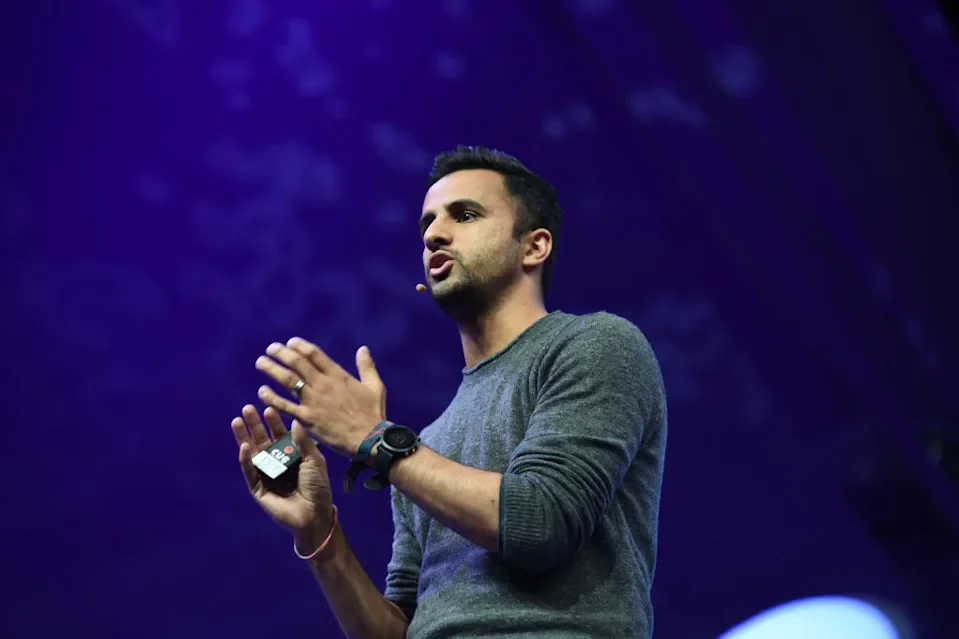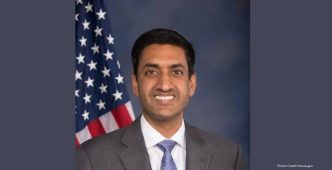
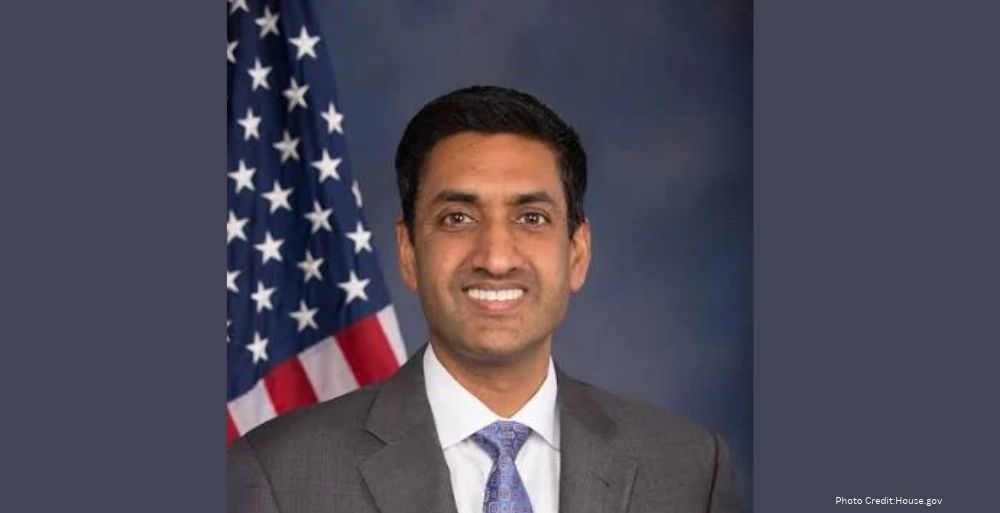
Cenk Uygur, co-founder of The Young Turks, has endorsed Congressman Ro Khanna for the 2028 presidential election, marking one of the earliest endorsements in the cycle.
In a significant move within the evolving landscape of the 2028 presidential election, Cenk Uygur, the co-founder of the progressive media outlet The Young Turks, has publicly endorsed Congressman Ro Khanna for the Democratic nomination. This endorsement stands out as one of the earliest in the election cycle, occurring before any major candidates have formally announced their candidacies, thus placing Khanna in the spotlight as an early contender. However, political analysts within Washington express skepticism regarding Khanna’s prospects in what is anticipated to be a crowded primary field.
Uygur, a prominent figure in progressive media and advocacy, conveyed his enthusiasm for Khanna’s candidacy amidst the prevailing doubts about the Congressman’s viability. “I love it,” Uygur remarked, reinforcing that the skepticism surrounding Khanna’s chances only enhances his appeal. He stated, “I wouldn’t have backed him if anyone in D.C. was behind him,” framing Khanna’s campaign as a challenge to the established political order. “We’re running against Washington. So if Washington doesn’t like a candidate, perfect,” Uygur added, positioning Khanna as a potential disruptor within the political landscape.
Establishing a Progressive Litmus Test
Cenk Uygur’s endorsement is not merely a gesture of support; it comes with a clear litmus test for candidates seeking progressive backing in the 2028 race. Uygur has articulated a firm expectation that candidates must unequivocally label Israel’s actions in Gaza as genocide and advocate for an end to U.S. military funding for Israel. He emphasized that this stance extends beyond foreign policy, posing a fundamental question about whether the candidate will genuinely represent the interests of the progressive base. “It isn’t actually about Israel,” Uygur clarified. “It’s about: Is this person going to represent us or not?”
According to Uygur, Khanna stands out as “among the very, very few, and maybe the only candidate” who meets this criterion. He did, however, acknowledge the potential candidacy of Rep. Alexandria Ocasio-Cortez (D-N.Y.) as another contender who might align with these progressive principles. Yet, Uygur stressed his unwavering support for Khanna at this point in time, stating unequivocally, “Not 1%” would his endorsement change if Ocasio-Cortez decides to enter the race. This declaration illustrates Uygur’s strategic choice to prioritize Khanna amidst a potentially competitive field.
Ro Khanna’s Political Background and Appeal
Ro Khanna has represented California’s 17th congressional district since 2017 and has established himself as a significant voice on various progressive issues, including climate change, technology regulation, and economic inequality. His background as a tech executive and his legislative work have positioned him as a leading figure within the progressive movement. Despite his appeal among progressive activists, the path to securing the Democratic nomination is fraught with challenges, particularly as the party historically leans towards centrist candidates in presidential primaries.
Khanna’s policy positions resonate with a younger electorate, and his campaign focuses on vital issues such as economic reform and foreign policy. This focus could energize the base, especially among voters who feel disillusioned with the traditional Democratic leadership. Uygur’s endorsement may serve to galvanize support within these circles, particularly among voters who prioritize a strong stance on international human rights issues. As a progressive voice, Khanna’s candidacy represents a potential shift towards more leftist policies within the Democratic party, aligning with the desires of many activists advocating for systemic change.
Implications for the 2028 Democratic Primary
The early endorsement from Uygur could carry significant implications for the dynamics of the 2028 Democratic primary. As progressive voters increasingly seek a candidate who reflects their values, Uygur’s backing may inspire other influential figures within the movement to coalesce around Khanna. This could potentially lead to a more unified progressive front as the election cycle progresses. However, it is crucial to recognize that skepticism from establishment figures suggests that Khanna will need to adeptly navigate a complex political landscape.
The Democratic establishment may favor candidates who can appeal to mainstream voters, complicating Khanna’s route to the nomination. Moreover, the interplay between progressive ideals and mainstream Democratic strategies will likely shape the contours of the primary race as it unfolds. The presence of other candidates, particularly those with established name recognition and funding, may challenge Khanna’s grassroots approach.
Conclusion: A Potential Shift in the 2028 Narrative
As the 2028 election cycle approaches, Cenk Uygur’s endorsement of Ro Khanna signals a potential shift in the Democratic primary narrative, emphasizing the importance of progressive values in a rapidly changing political environment. While Khanna faces numerous challenges, both from within the party and from potential rivals, Uygur’s support positions him as a candidate to watch in the coming months. The effectiveness of Khanna’s campaign in articulating a clear and compelling vision that resonates with a broad electorate will be paramount as he seeks to establish himself as a legitimate contender for the Democratic nomination.