The Brics grouping is prioritizing the enhancement of cross-border payment systems while stepping back from immediate plans for a common currency, marking a pragmatic shift in its de-dollarisation strategy.
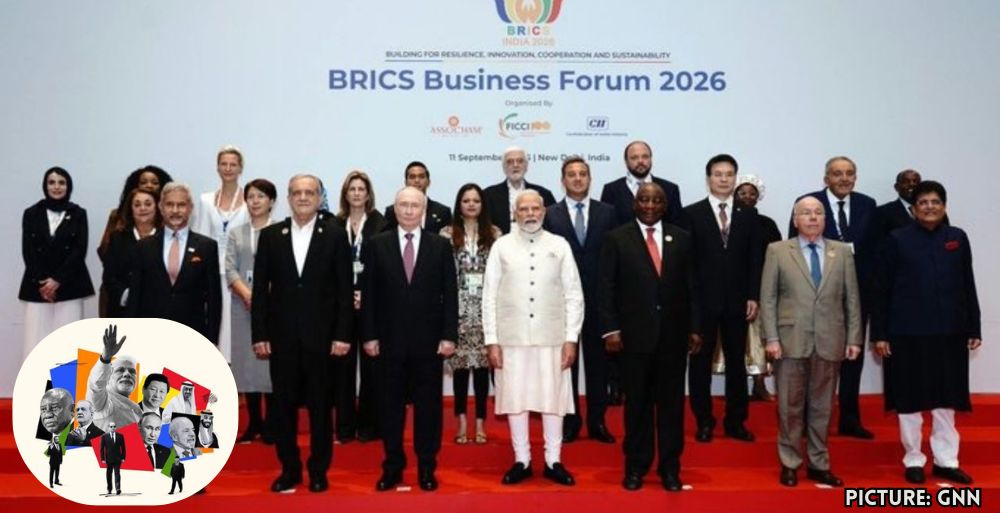
The Brics alliance, consisting of 11 member nations, has reaffirmed its commitment to fortifying cross-border payment systems without advancing plans for a common currency. This decision emerged during the Brics summit held in New Delhi, where leaders issued a comprehensive 45-page declaration outlining their objectives and strategies moving forward. Analysts interpret this pivot as a more realistic approach to de-dollarisation rather than an outright withdrawal from the initiative.
Sudhakar Dalela, Secretary of India’s Ministry of External Affairs, underscored the current stance of the group during a news briefing, stating, “There is no proposal in the Brics for a Brics currency, as of now.” This comment highlights a consensus among member states regarding the impracticality of establishing a unified currency at this juncture.
Strategic Shift Towards Practical Solutions
Matteo Giovannini, a non-resident associate fellow at the Centre for China and Globalisation, characterized the Brics decision as a strategic pivot. He explained that the group is shifting focus from the ambitious goal of creating a common currency to developing the necessary infrastructure that would allow Brics members to reduce their dependence on the US dollar in practical terms. He remarked, “This is a much more achievable objective,” emphasizing the complexity brought on by varying monetary policies, exchange-rate regimes, capital controls, and economic structures among Brics nations.
The declaration from the summit emphasized the ongoing work of the group’s Payment Task Force, which is dedicated to facilitating faster, low-cost, and more accessible cross-border payments among member countries. The task force has also investigated the interoperability of payment and messaging channels and has engaged in discussions about utilizing local currencies for trade settlements and investments.
Historical Context and Political Implications
The notion of a unified Brics currency has gained traction since Brazilian President Luiz Inacio Lula da Silva floated the idea of a common trading currency earlier this year. This concept, however, met immediate resistance from the United States, with former President Donald Trump threatening to impose significant tariffs on Brics nations should they attempt to establish a new currency to challenge the dollar. This geopolitical backdrop underscores the ongoing tensions surrounding the dollar’s dominance in global finance and the challenges Brics nations face in attempting to navigate these waters.
Xu Tianchen, a senior economist at the Economist Intelligence Unit, expressed skepticism regarding the feasibility of a common Brics currency, arguing that such an initiative lacks a compelling business case. He pointed to the absence of a cohesive single market among the 11 member countries and the lack of a central governing body—similar to the European Commission—that could enforce collective decision-making. According to Xu, these factors present significant obstacles to establishing a political union or a unified currency among the Brics nations.
Continued Efforts to Reduce Dollar Reliance
Despite the challenges associated with forming a common currency, analysts predict that Brics countries will persist in their endeavors to minimize reliance on the US dollar, particularly in the face of escalating geopolitical tensions and growing dissatisfaction with dollar hegemony within the global financial system. Xu noted, “Each country has the incentive to bypass the dollar system,” suggesting a potential strategy whereby member nations cultivate local currency settlement networks that ensure interoperability among their respective financial frameworks.
Giovannini anticipates a future characterized by increased utilization of national currencies for intra-Brics trade, more interoperable payment and messaging systems, and potentially deeper cooperation surrounding settlement and financial infrastructure. He stated, “I would expect Brics to make more progress on the plumbing of international finance than on creating a new currency.” This perspective indicates that while the dollar is unlikely to be displaced in the near future, there may be a gradual emergence of a parallel financial ecosystem that reduces the dollar’s role as the primary intermediary in international transactions.
Implications for Global Finance
The shift in Brics strategy towards enhancing cross-border payment systems and local currency utilization represents a significant development in the landscape of global finance. As the group navigates its financial relationships and strategies, the emphasis appears to be on practical solutions that facilitate trade and investment among member states without necessitating the establishment of a unified currency. This pragmatic approach may signal a new phase in the ongoing dialogue surrounding de-dollarisation and the future direction of global finance.
In conclusion, while the immediate vision of a common Brics currency has dimmed, the group’s commitment to improving cross-border payment mechanisms and fostering financial collaboration among member nations highlights a strategic adaptation to the evolving geopolitical and economic landscape. The implications of this shift could reverberate across the global financial system, potentially contributing to a gradual diversification of currency usage in international trade.