ABC is challenging federal regulators’ attempts to reconsider the status of its talk show ‘The View’ under equal time rules, asserting that the program qualifies as a bona fide news program and is thus exempt from these regulations.
ABC has firmly opposed efforts by the Federal Communications Commission (FCC) to reexamine whether its daytime talk show, “The View,” should be subject to equal time rules, a legal framework that mandates equal airtime for political candidates. In a recent filing made public on Tuesday, the network contended that this issue was resolved more than two decades ago when the FCC classified the show as a bona fide news program. This classification would exempt it from the equal time requirements that apply to political broadcasting.
The latest filing by ABC was part of the ongoing FCC review process, which follows a petition submitted by the network seeking a declaratory ruling on the status of “The View.” The petition argues that the program, which features a combination of entertainment, political interviews, and often critical commentary regarding the Trump administration, should continue to be considered a news program. ABC cited a significant FCC decision from 2002 that classified “The View” as such, reinforcing its stance that the show does not fall under the equal time mandate.
Background of the Dispute
The conflict over “The View” is emblematic of a broader struggle between the media and the Trump administration, particularly regarding perceptions of free speech and press freedom. ABC’s recent filings have accused the administration of attempting to stifle constitutionally protected free speech and to undermine open political discourse by revisiting the status of a long-standing program like “The View.” This accusation reflects the network’s assertion that the current political climate has shifted dramatically since the original ruling, a sentiment echoed in its filings.
In May, ABC initially raised concerns about the implications of the FCC’s actions, suggesting that the review was part of a larger pattern of aggressive scrutiny of media outlets perceived as critical of the administration. Following the May filing, the FCC opened a public comment period regarding the matter, during which over 77,000 comments were submitted by the public. ABC noted that a significant majority of these comments expressed support for “The View” and for broader principles of free speech.
Responses and Implications
In its most recent filing, ABC argued, “The commenters are right to be concerned. The First Amendment does not permit the government to sit in an editor’s chair. Yet that is the seat the Commission now proposes to take… deciding which broadcast programs qualify as legitimate news and, for those it finds wanting, compelling them to surrender their airtime to guests they never chose to feature.” This statement underscores ABC’s position that the FCC’s actions could set a precedent that infringes on broadcasters’ editorial discretion.
ABC further posited that the fundamental nature of “The View” has not altered since the FCC’s last evaluation. It stated, “Nothing about ‘The View’ that the law cares about has changed since the Commission last answered that question more than two decades ago… What has changed is not the program but the political climate around it.” In this context, ABC criticized the FCC for concentrating its efforts on programs like “The View” while overlooking other media platforms, such as talk radio, where political candidates often appear without their opponents.
The FCC’s response to ABC’s assertions has been critical. An FCC spokesperson suggested that ABC was misrepresenting the nature of its obligations, stating, “While ABC insists that ‘The View’ is a ‘bona fide news program’ under the law, ABC should focus on complying with its public interest obligations, rather than misleading the public about them.” This remark highlights the contentious nature of the interaction between the FCC and media entities in the current political environment.
Broader Context and Future Considerations
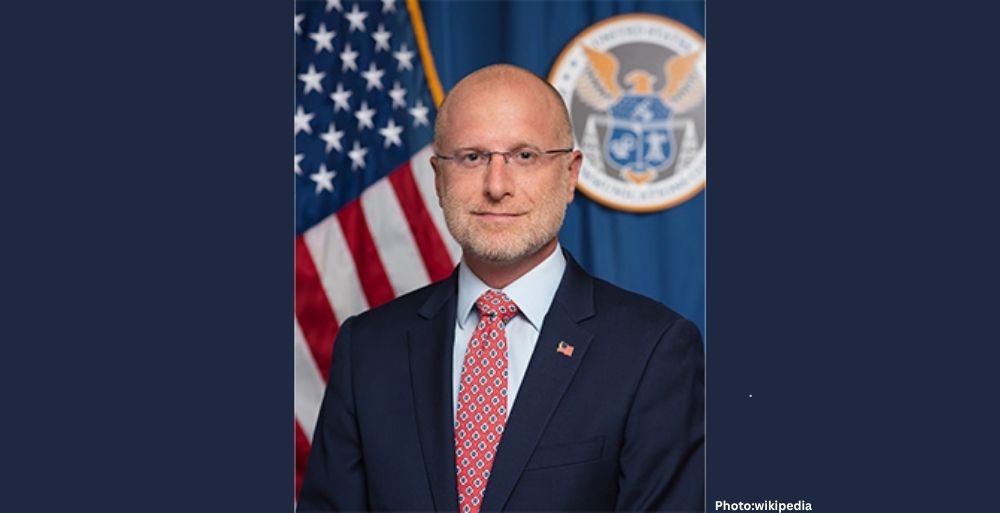
This conflict extends beyond ABC and “The View”; it raises significant questions about the regulatory landscape governing media and the potential for federal regulators to influence the editorial choices of broadcasters. The implications of this situation could reverberate across the media landscape, particularly for shows that merge entertainment and political commentary. FCC Chairman Brendan Carr has indicated a willingness to argue that “The View” does not qualify as a bona fide news program, which could set a precedent affecting other similar programs.
The ongoing debate surrounding “The View” symbolizes larger issues of media freedom and the role of government in regulating content. As the FCC navigates this complex landscape, the outcomes may have lasting effects on how political discourse is conducted across various media platforms in the United States.