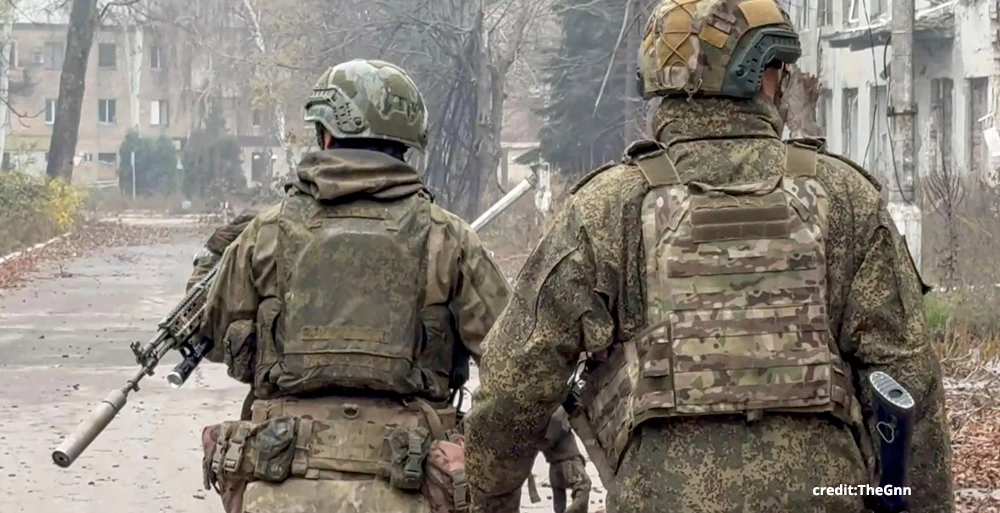
Recent estimates suggest that over 700,000 Russian soldiers have died in the ongoing conflict in Ukraine, highlighting the severe human toll of President Vladimir Putin’s military campaign.
On November 23, 2026, exiled Russian media outlets Meduza and Mediazona released a shocking estimate indicating that more than 700,000 Russian soldiers have died amid the protracted conflict in Ukraine. This staggering figure emphasizes the immense human cost of President Vladimir V. Putin’s military objectives, as the war continues into its fifth year.
The updated estimate marks a significant increase from previous assessments of Russian military casualties. The information was derived from a substantial cache of data obtained through the efforts of pro-Ukraine hacker groups, specifically the Cyber Partisans of Belarus and Silent Crow. These groups managed to access and release sensitive data from the Russian state statistics service, known as Rosstat, which has been instrumental in uncovering the realities of the ongoing conflict.
Methodology Behind the Estimates
For several years, Meduza and Mediazona have diligently monitored Russian military fatalities. Their approach has primarily involved analyzing probate records and death notices published in local media. However, the recent hack provided critical new sources of data, including information from Russia’s civil registry and a government-run data exchange system that feeds anonymized data to Rosstat, which informs national statistics.
Prior to this new estimate, Meduza and Mediazona identified approximately 490,000 soldier deaths officially recorded by the Russian state as of September 2026. However, it is noteworthy that this figure does not account for a significant number of deaths that have occurred in 2026, as reporting within government systems often experiences substantial delays. This gap in data reporting raises questions about the true scale of military losses, especially considering that many fatalities from 2025 are also unaccounted for.
Kremlin’s Information Control
The Russian government has consistently sought to suppress information regarding military losses, resulting in a population that remains largely uninformed about the true extent of casualties sustained by their armed forces. The Kremlin has employed a combination of repression, censorship, and propaganda to maintain control over the narrative surrounding the war. This strategy aims to minimize public outrage and discontent regarding the high human cost of the conflict.
Putin’s administration has faced criticism for its lack of transparency, which has contributed to a distorted public perception of the war. Many Russians are unaware of the sacrifices being made by their soldiers, which has fostered a false sense of security among the populace. As a result, the potential for widespread public dissent and opposition to the war remains limited, at least for the time being.
Broader Implications for Russian Society
The implications of these staggering casualty numbers extend far beyond the battlefield. The high death toll raises significant questions about the sustainability of Putin’s military strategy. Analysts have pointed out that as more information about the true nature of the war becomes available, public sentiment may shift, potentially influencing future political dynamics within Russia.
With the ongoing conflict continuing to extract a heavy toll on Russian soldiers, there is growing concern about the long-term consequences for Russian society. The loss of such a large number of servicemen could have profound ramifications on families and communities across the country, influencing public attitudes towards the war and the government.
International Context and Response
The war in Ukraine has not only led to significant military losses but has also resulted in a humanitarian crisis, with millions of Ukrainians displaced and in need of assistance. International observers and analysts have consistently highlighted the strategic miscalculations made by the Russian military, alongside the resilience demonstrated by Ukrainian forces in their defense of the country.
The international community continues to monitor the situation closely, as evidence of the human cost of the war emerges. The data released by Meduza and Mediazona serves as a stark reminder of the ongoing tragedy in Ukraine and the sacrifices made by soldiers on both sides of the conflict. The potential for shifting public opinion within Russia could lead to increased scrutiny of the government’s actions and policies regarding the war.
As the conflict drags on, the implications of these new estimates will likely resonate throughout Russia, influencing public discourse and potentially reshaping the political landscape in the years to come. The revelations about the scale of military losses may ultimately challenge the Kremlin’s narrative and provoke deeper conversations about the future of Russia’s involvement in Ukraine.