Research emphasizes the significant psychological and social benefits of gratitude, particularly during the Thanksgiving holiday, and suggests actionable ways to cultivate this mindset within families and communities.
As Thanksgiving approaches, a holiday celebrated by over 90% of Americans, families across the nation prepare for traditional gatherings, elaborate meals, and the commencement of the holiday shopping season. However, alongside these customs, a burgeoning body of research reveals the profound importance of gratitude, not only as a sentiment but as a critical component of psychological well-being.
The latest findings indicate that embracing gratitude can lead to substantial improvements in mental health and overall life satisfaction. Tom Gilovich, a social psychologist at Cornell University and director of the Judgment and Belief Lab, states, “Gratitude has been shown to have many benefits: Grateful people are happier, less envious, sleep better, are more resilient when facing trauma, and need fewer visits to the doctor.” This suggests that gratitude transcends a mere feeling; it functions as a vital tool for enhancing one’s quality of life.
Link Between Gratitude and Life Satisfaction
A 2023 systematic review combined data from 44 studies encompassing over 16,500 participants to examine the relationship between gratitude and life satisfaction. The results underscored a strong connection between dispositional gratitude—the inherent tendency to recognize and appreciate the positive aspects of life—and overall life satisfaction. Importantly, the review indicated that experiences of gratitude in earlier life stages could predict higher life satisfaction later on, thereby pointing to the long-lasting benefits of nurturing a grateful mindset.
Despite compelling evidence supporting the advantages of gratitude, some critics raise concerns about potential complacency. They argue that feelings of gratitude may lead individuals to become overly content, diminishing their motivation to address pressing societal issues. However, a recent study co-authored by Gilovich challenges this perspective. The research analyzed three distinct data sets, including a survey of more than 2,000 Americans and a longitudinal study involving over 200,000 people from 22 countries. The findings indicated that individuals who experience gratitude are not only happier but are also more inclined to engage in prosocial behaviors. Gilovich notes, “Although some have expressed a concern that feeling grateful might make people feel satisfied and therefore complacent about pressing societal problems, research shows that that concern is misplaced. Grateful people are more likely to volunteer their time at civic and religious organizations, donate money to charity, and participate in blood drives. Gratitude not only makes you feel good, but it helps you live up to your best self and be a better member of society.”
Encouraging Gratitude This Thanksgiving
The implications of these findings suggest that Thanksgiving serves as an opportune moment to cultivate gratitude within families and communities. Research has identified several effective strategies for enhancing feelings of gratitude, which can be particularly beneficial during this holiday season.
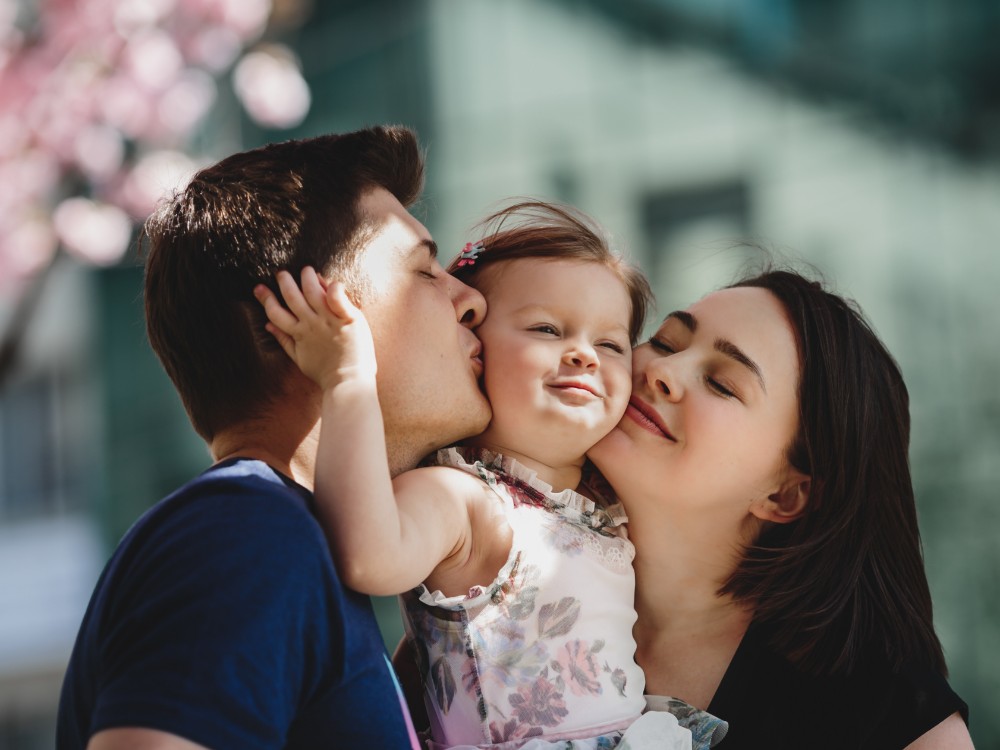
One recommended practice involves engaging family members in discussions that encourage specific expressions of gratitude. For example, during the traditional gathering where family members share what they are thankful for, it is advisable for participants to articulate specific instances or acts of kindness that inspired their gratitude. This specificity is associated with enhanced positive outcomes related to gratitude.
Moreover, taking actionable steps to express gratitude can yield profound benefits. Research indicates that behavioral expressions of gratitude—such as assisting with household chores or participating in community service—are more effective in enhancing psychological well-being and fostering social connections than verbal expressions alone. Families may consider volunteering at local soup kitchens or visiting elderly neighbors as means to put their gratitude into action.
Another impactful approach involves writing letters of gratitude. Research in positive psychology suggests that composing a detailed letter about how someone has positively influenced one’s life and sharing it with that individual can produce significant increases in happiness while simultaneously reducing symptoms of depression. This Thanksgiving, families might encourage members to write and share letters of gratitude with one another, creating a deeper connection.
Broader Implications of Gratitude
The evidence indicates that gratitude not only enriches individual lives but also has broader implications for society. Cultivating gratitude can foster stronger community ties, prompting individuals to contribute positively to the well-being of their neighbors and the larger society. As noted by Gilovich, grateful people often engage in acts of kindness, which can create a ripple effect, enhancing the social fabric of communities.
Furthermore, as the holiday season unfolds, the practice of gratitude can serve as a counterbalance to the stresses often associated with this time of year. The focus on gratitude may help mitigate feelings of anxiety and depression that can arise during the holidays, providing individuals with a greater sense of peace and fulfillment.
Conclusion
The research clearly supports the notion that gratitude is beneficial for mental health and overall life satisfaction. As Thanksgiving approaches, individuals and families are encouraged to actively incorporate gratitude into their celebrations. By fostering a culture of appreciation and kindness, they can enhance their own well-being while also contributing positively to their communities. Embracing gratitude not only enriches individual lives but also strengthens the bonds that tie us together as a society, making it an essential practice during this Thanksgiving and beyond.