
Developing nations are facing uncertainty as wealthier countries postpone crucial climate finance commitments, impeding support for climate resilience and transition to low-carbon economies.
As the global community grapples with the urgent need for climate action, developing countries find themselves in a precarious position due to the indecision of major economies regarding climate finance. The situation has become increasingly critical as the deadline for significant financial commitments approaches, leaving poorer nations without the necessary resources to combat the impacts of climate change.
According to commitments made during the 2021 COP26 conference, developing countries are expected to receive $300 billion annually from industrialized nations by 2035. This funding is essential not only for addressing the immediate impacts of extreme weather events but also for facilitating a transition to sustainable, low-carbon economies. Additionally, an estimated $1 trillion is projected to come from other sources, emphasizing the scale of investment required to support these vulnerable nations.
However, many affluent nations have yet to outline their specific climate finance targets and plans beyond the current and next year, creating a gap that hampers the ability of recipient countries to plan effectively. This uncertainty complicates efforts to attract private sector investment, which is critical for supplementing public funding.
Current Financing Landscape
Recent analysis from the Natural Resources Defense Council (NRDC) and the think tank E3G reveals that while the developed world is generally on track to meet the $300 billion annual goal, significant gaps remain. By 2030, it is estimated that approximately $229 billion per year will be provided, with multilateral development banks expected to contribute around $185 billion of that total.
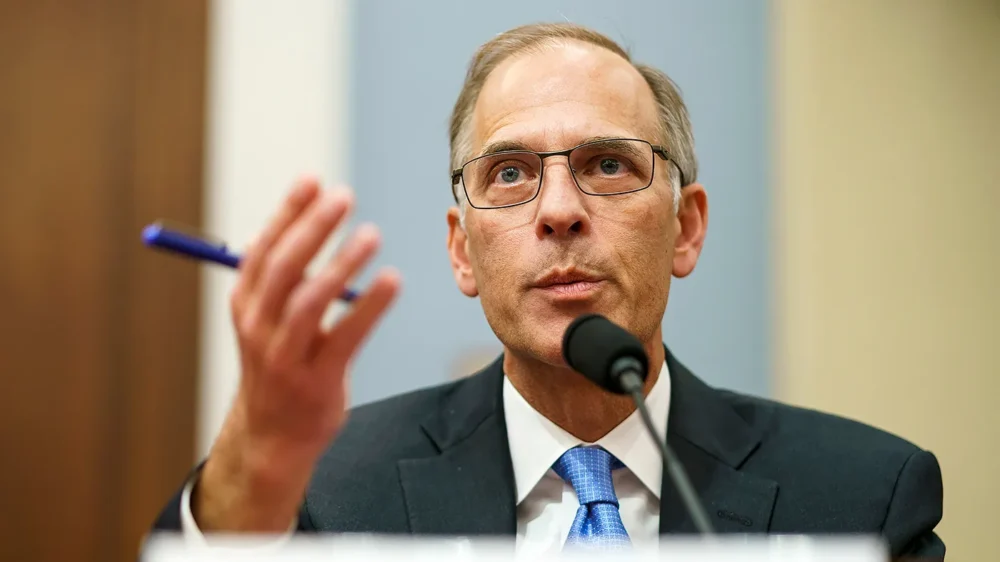
Joe Thwaites, the international climate finance director at the NRDC, co-authored the analysis and highlighted that unless national governments and development banks make substantial reductions in their financing frameworks, the necessary funding levels for 2030 may not be met. He noted, “Most countries look in quite good shape on climate finance. The problem is that they’re not being very public about it.”
For instance, the European Union is anticipated to maintain its current contribution of roughly $36 billion annually, which, when combined with pledges from the UK, Canada, and several smaller nations, would leave an estimated shortfall of $7 billion. The United States, under a different administration, could potentially fill this gap alongside Japan and Australia, both of which have yet to announce specific climate finance goals.
Potential Consequences of Inaction
Further analysis by Carbon Brief warns that if countries do not implement new climate finance initiatives after their existing targets expire, developing nations could see a dramatic 70% reduction in bilateral financing from wealthy countries. Despite these alarming projections, Thwaites indicated that such drastic cuts are improbable. He remarked, “It’s unfortunate that they have been quite silent on this, however. If they would talk about it more, it would reassure the G77 [group of developing countries].”
The ongoing COP31 climate talks in Antalya, Turkey, have highlighted the contentious nature of climate finance discussions. The Australian presidency, a result of a compromise between competing bids for leadership, is facing pressure from developing nations to revisit previous agreements on climate finance in light of concerns over potential reductions.
International Responses and Commitments
The World Bank has faced criticism for retiring its official climate finance target amid pressure from former U.S. President Donald Trump’s administration. Nevertheless, it continues to allocate tens of billions annually for climate-related projects. Other development banks are expected to persist with their climate financing strategies, according to Thwaites.
Countries such as France, Germany, and Australia have yet to publicly announce their updated climate finance objectives, which is unusual behavior for a developed country hosting a COP conference. Earlier this year, the UK reduced its climate finance contributions, raising further concerns among developing nations.
In response to inquiries regarding their commitments, a spokesperson for France’s AFD aid agency stated, “Our Climate and Biodiversity Strategy maintains AFD’s level of ambition and sets out the following targets for the 2025–2027 period: €6 billion in climate finance per year and €800 million per year for biodiversity.” Meanwhile, Japan affirmed its dedication to fulfilling obligations under the Paris Agreement, confirming ongoing support for developing nations through various channels, including the Japan International Cooperation Agency and international climate funds.
As global leaders convene for COP31, the imperative for clarity and commitment in climate finance remains paramount. The continued delay in establishing concrete financial plans threatens not only the resilience of developing countries facing climate shocks but also the broader goal of achieving global climate targets.