Qatar is advocating for the reopening of the Strait of Hormuz as part of a diplomatic initiative aimed at facilitating United Nations nuclear inspections in Iran, amidst ongoing tensions in the region.
Doha, Qatar – Qatar, acting as the primary mediator in the complex US-Iran conflict, is actively pursuing a plan to enable UN nuclear weapons inspectors to access Iran’s nuclear sites, particularly those that have previously been bombed and are believed to house a significant stockpile of highly enriched uranium. This proposal, outlined by Qatari leadership, seeks to establish a framework for dialogue and diplomacy to alleviate escalating tensions in the Middle East.
According to statements from the Qatari emir’s office, Sheikh Tamim bin Hamad al-Thani engaged in discussions with former President Donald Trump regarding this pivotal proposal. While the specifics of their conversation remain undisclosed, the emir emphasized the necessity of diplomatic engagement as a means of resolving disputes and preventing further regional escalation.
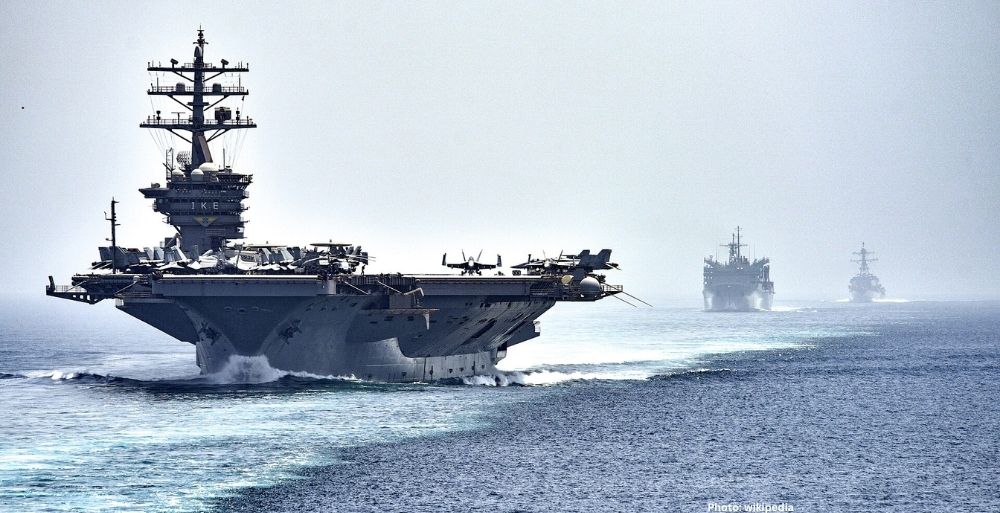
As part of this initiative, the US government is considering the immediate lifting of the naval blockade in the Strait of Hormuz and the release of a portion of Iran’s $8 billion in frozen assets. In exchange, Iran would permit visits by International Atomic Energy Agency (IAEA) inspectors to its nuclear facilities, based on a previously abandoned agreement reached in Cairo in September 2025.
Background on the Strait of Hormuz
The Strait of Hormuz is a vital maritime corridor through which approximately 20% of the world’s oil supply is transported. Recent tensions in this area have raised concerns about maritime security and the potential for conflict. The Qatari proposal includes stipulations for Iran to reopen the Strait of Hormuz within two days, utilizing a route already negotiated with Oman, which would subsequently need to be registered with the International Maritime Organization (IMO).
However, Iran has outlined multiple preconditions for the strait’s reopening. These include halting military actions in Lebanon, withdrawing US forces from the Iranian coastline, lifting certain economic sanctions, and agreeing to pay war reparations. The sequencing of these commitments has been a focal point in the ongoing mediation efforts.
Iran’s Position on Nuclear Inspections
Despite the potential reopening of the strait, Iran has expressed skepticism about allowing UN nuclear inspectors back into the country. Iranian officials have voiced concerns regarding the integrity of Rafael Grossi, the head of the IAEA, alleging that he has failed to uphold the Nuclear Non-Proliferation Treaty by not condemning US military actions against Iranian nuclear facilities. Tehran fears that any material collected by inspectors could be used by the US and Israel for military targeting.
This skepticism is compounded by Iran’s recent triumphalist sentiment following the electoral defeat of Trump, which has emboldened its stance against external pressures regarding its nuclear program. The Iranian government is wary of what it perceives as a loss of sovereignty and has articulated its resistance to foreign oversight.
The Role of Oman
In parallel discussions, Oman’s foreign minister, Badr Albusaidi, has been engaged in talks with Iranian officials about the future administration of the Strait of Hormuz. These discussions encompass agreed routes, the temporary nature of any agreements reached, and the necessity for these proposals to be formally registered with the IMO. Oman has long advocated for a compliant administration of the strait that respects international maritime law, suggesting that shipping companies should be charged for services rather than tolls.
Economic Implications
As part of the broader economic context, reports indicate that in October, approximately 10.23 million barrels per day of Gulf crude oil transited through the Strait of Hormuz, with 42% destined for China and 13% for India. The Iranian parliament’s national security committee has noted that vessels from select countries—including China, India, Qatar, and Iraq—are allowed passage through the strait, demonstrating a nuanced approach to maritime economics in the region.
Recent incidents have highlighted ongoing tensions, with the navy of Iran’s Islamic Revolutionary Guard Corps (IRGC) reporting that two oil tankers, allegedly attempting to navigate unauthorized routes, collided with mines in the eastern sector of the strait. The IRGC indicated that these vessels had turned off their navigation and identification systems, suggesting a deliberate evasion of maritime regulations, potentially with the backing of US military forces.
As diplomatic efforts continue, the implications of Qatari mediation in the US-Iran conflict and the proposed reopening of the Strait of Hormuz remain to be seen. The outcomes of these negotiations could significantly affect regional stability, international oil markets, and the intricate web of geopolitical alliances in the Middle East.