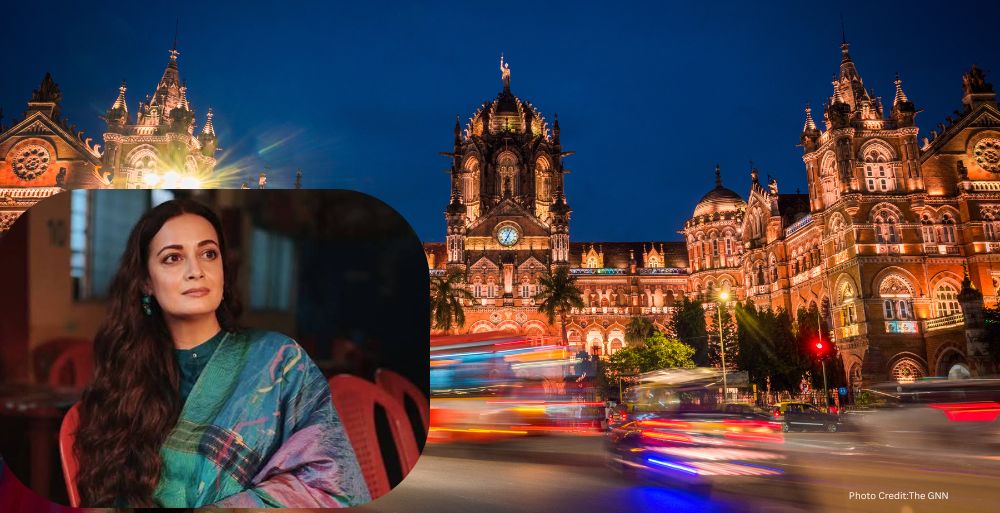
The Brihanmumbai Municipal Corporation’s removal of Dia Mirza’s video from its pollution-free Diwali campaign has sparked a significant political controversy, with allegations of political pressure and accusations of divisiveness levied against the actress.
MUMBAI: The Brihanmumbai Municipal Corporation (BMC) has faced backlash following its decision to remove a video featuring Bollywood actress Dia Mirza from its pollution-free Diwali campaign. The removal, which occurred on Sunday, was prompted by objections from Ameet Satam, the chief of the Mumbai unit of the Bharatiya Janata Party (BJP). Mayor Ritu Tawde subsequently labeled Mirza as “anti-Hindu” and claimed she had been blacklisted by the civic body.
Mirza’s video was part of a broader campaign aimed at promoting an environmentally friendly Diwali, a message aligned with directives from the Bombay High Court. In her video, Mirza appealed to the public to refrain from bursting firecrackers and to celebrate in a manner that minimizes air pollution, which has become a pressing concern in Mumbai.
Campaign Context and BMC’s Actions
The BMC launched this campaign in light of the increasing air pollution levels in the city, which have been exacerbated during the festive season due to firecracker usage. The Bombay High Court has previously issued directives aimed at reducing pollution during such celebrations. Alongside Mirza, the campaign included other celebrities such as actors Madhuri Dixit and Nishigandha Wad, and cricketer Ajinkya Rahane, whose videos remain on BMC’s social media platforms.
However, Satam’s objections were swift. He took to social media platform X (formerly Twitter) to express his discontent, stating, “We don’t need lessons on how to celebrate #Diwali from @deespeak. Our traditions are deeply rooted in our culture.” Following his comments, the BMC, under the leadership of Municipal Commissioner Ashwini Bhide, promptly removed Mirza’s video.
Reactions to the Controversy
In response to the removal, Mirza questioned the validity of the criticisms directed at her campaign video, emphasizing its basis in public interest and health. She stated, “Why should anyone be critical of a video that the Honourable Bombay High Court and BMC have made me record in public interest? Air Pollution is an area of concern and all efforts to reduce pollution should be welcomed because it’s a matter of public health.”
Mayor Ritu Tawde defended the BMC’s actions, stating that Mirza has consistently aligned with what she described as “divisive forces” and cited previous instances where the actress had criticized Prime Minister Narendra Modi regarding the National Eligibility cum Entrance Test (NEET). Tawde asserted, “Dia Mirza has always been anti-Hindu. We have blacklisted her.” This assertion has fueled further debate about the motivations behind the BMC’s decision.
Political Ramifications and Opposition Response
The removal of Mirza’s video has drawn criticism from opposition leaders, who allege that the BMC acted under political pressure from the BJP. Kishori Pednekar, a spokesperson for Shiv Sena (UBT) and former Mumbai mayor, questioned whether the BMC had become a “slave of the BJP” and condemned Satam’s involvement as an encroachment on the civic body’s autonomy. She stated, “The administration should not have succumbed to what I term the BJP leader’s communal agenda.”
Other opposition figures, such as MNS corporator Yashwant Killedar, echoed similar sentiments. Killedar sarcastically suggested that if Satam was so enthusiastic about firecrackers, he should permit his party members to celebrate in such a manner outside his own residence. He further commented on the essence of Diwali, asserting that the festival could still be celebrated meaningfully without excessive firecrackers.
Broader Implications and Community Perspectives
Amidst the political discourse, BJP minister Nitesh Rane criticized Mirza for her selective environmental advocacy, questioning her silence on pollution during other religious festivals. Rane remarked, “Dia Mirza tweeted about Diwali, but she never tweets or offers such advice during Eid, Muharram or Bakri Eid,” implying a bias in her public statements regarding environmental responsibility. He indicated plans to address the matter with Chief Minister Devendra Fadnavis.
Shiv Sena spokesperson Shaina NC also weighed in, suggesting that Mirza, whose name means “light,” should be more cognizant of the cultural significance of Diwali and the necessity of being mindful of environmental impacts. Union minister Ramdas Athawale attempted to redirect the conversation, asserting that the issue should not be framed within the context of any specific community, underscoring the constitutional rights of all religions to celebrate their festivals.
This incident encapsulates the tensions between environmental advocacy and cultural traditions in India, particularly in the context of political dynamics in Mumbai. As the city approaches the Diwali festival, the debate surrounding firecracker use and pollution continues to resonate among citizens, highlighting the intersection of public health, cultural practices, and political discourse.