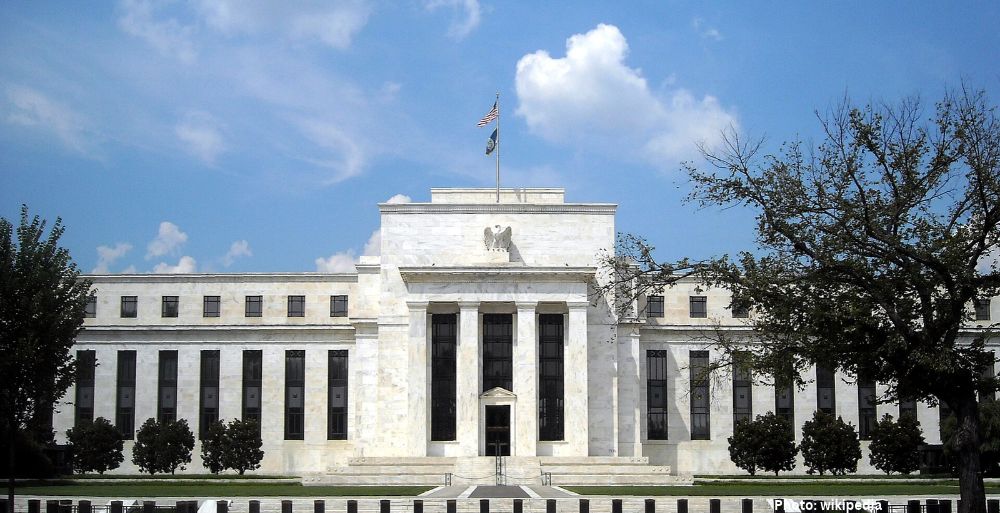
The Federal Reserve has decided to keep interest rates unchanged as it navigates a complex economic landscape characterized by rising inflation and impending midterm elections.
On Wednesday, the Federal Reserve announced its decision to maintain the benchmark interest rate between 3.75% and 4%, a notable decrease from the peak levels reached earlier in 2023. However, this rate remains significantly higher than the near-zero rates that were established at the onset of the COVID-19 pandemic. This decision comes as the U.S. economy continues to grapple with inflationary pressures, particularly in light of the upcoming midterm elections.
Inflation has surged throughout 2023, with prices increasing by 3.7% in September compared to the same month in the previous year. This rate exceeds the Federal Reserve’s target inflation rate of 2% by more than a percentage point, according to data released by the U.S. Bureau of Labor Statistics (BLS). In a bid to combat surging prices, the Fed had implemented a quarter-point interest rate hike last month, marking its first increase in three years. Such monetary policy decisions are aimed at cooling inflation by slowing economic activity and reducing consumer demand, though the effects of these measures typically manifest with a time lag.
Federal Reserve Chair’s Remarks
During a press conference held in Washington, D.C., Fed Chair Kevin Warsh explained that the decision to hold rates steady was made while awaiting further economic data. “The committee believes the accumulation of more information will help it determine the policy stance appropriate to ensure a timely return of inflation to the 2% goal,” Warsh stated. He expressed cautious optimism regarding U.S. economic performance, noting that economic activity remains strong despite the challenges posed by inflation. “Economic activity is expanding at a strong pace. While uncertainty remains, owing in part to geopolitical developments, domestic spending has been resilient,” he added.
Despite this optimism, Warsh acknowledged the ongoing inflationary pressures, particularly rising fuel prices that are partially attributed to geopolitical unrest in the Middle East. These factors may compel the Fed to consider further interest rate increases in the future, as inflation continues to pose a significant challenge.
Market Reactions and Future Projections
Market analysts have indicated a nearly 80% probability of a quarter-point rate hike at the Fed’s next meeting in December, according to the CME Group’s FedWatch Tool, which gauges market sentiment regarding Federal Reserve actions. As inflation continues to rise, there is increasing pressure on the Fed to adjust its monetary policy in order to combat escalating prices. Such a policy shift could further slow economic growth and potentially lead to job losses, presenting a complex dilemma for policymakers.
Recent employment data has further complicated the economic landscape. The BLS reported that only 29,000 jobs were added in September, a stark decrease from the 162,000 jobs reported for August and significantly below economists’ expectations. This slowdown raises concerns about the robustness of the labor market, which had previously been viewed as resilient.
In a memo issued prior to the Fed’s interest rate announcement, Bank of America Global Research highlighted the delicate balance facing the central bank. They noted, “If the Fed hikes, investors might worry about overtightening. If the Fed holds, markets could question the Fed’s inflation-fighting credibility.” This underscores the intricate challenges that the Federal Reserve must navigate as it seeks to manage inflation without hindering economic growth.
Political Context and Implications
The Federal Reserve’s decision comes amid the backdrop of the approaching midterm elections, where inflation is a critical concern for voters. President Donald Trump has been vocally critical of the Fed’s rate increases throughout his presidency, and he reiterated his stance shortly after the latest announcement. In a post on social media, Trump urged, “LOWER THE INTEREST RATES FOR THE UNITED STATES OF AMERICA, AND FAST!”
While the Federal Reserve is designed to operate as an independent institution insulated from political pressures, historical precedents demonstrate that presidents have often sought to influence the Fed’s policy decisions. As the midterm elections draw nearer, scrutiny of the Fed’s actions regarding interest rates may intensify, particularly as affordability becomes a central issue for voters.
In anticipation of the rate announcement, Deutsche Bank Research speculated that the Fed might prefer to avoid raising rates ahead of the elections to minimize potential political fallout. They suggested that while the elections may not be the primary consideration in monetary policy decisions, they could nonetheless influence the timing of such decisions.
Conclusion
In conclusion, the Federal Reserve’s decision to keep interest rates steady reflects a careful balancing act between combating inflation and fostering economic growth, all while navigating the political landscape as midterm elections approach. As inflation continues to rise and economic indicators present mixed signals, the Fed’s forthcoming actions will be closely monitored by both policymakers and the electorate as the nation heads toward the pivotal midterm elections.