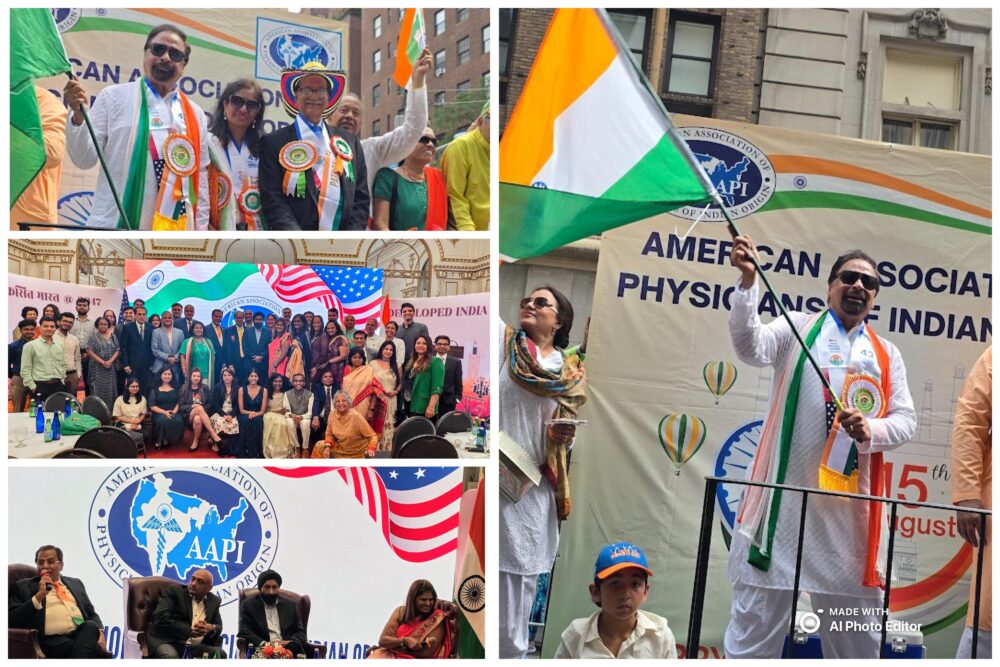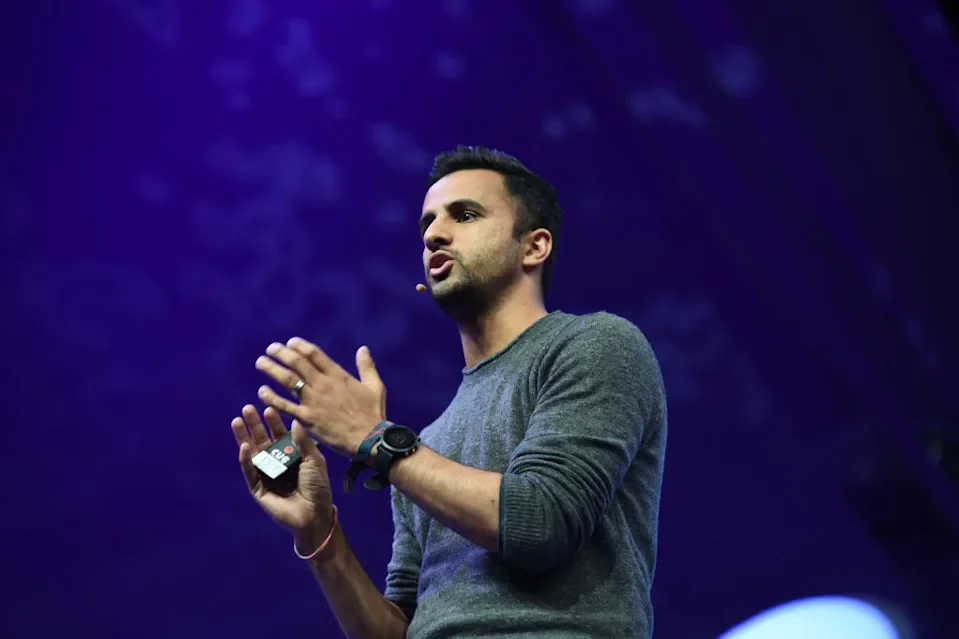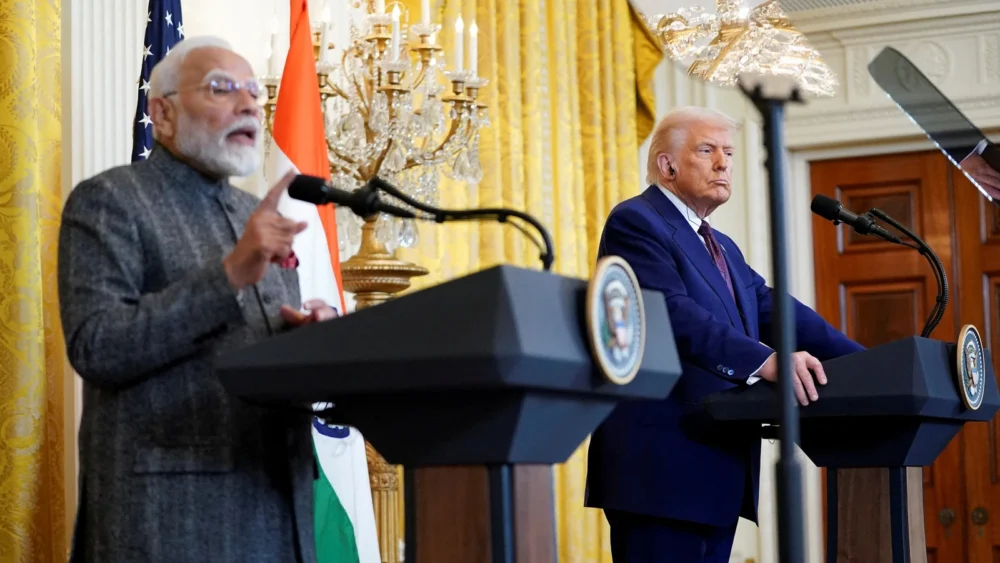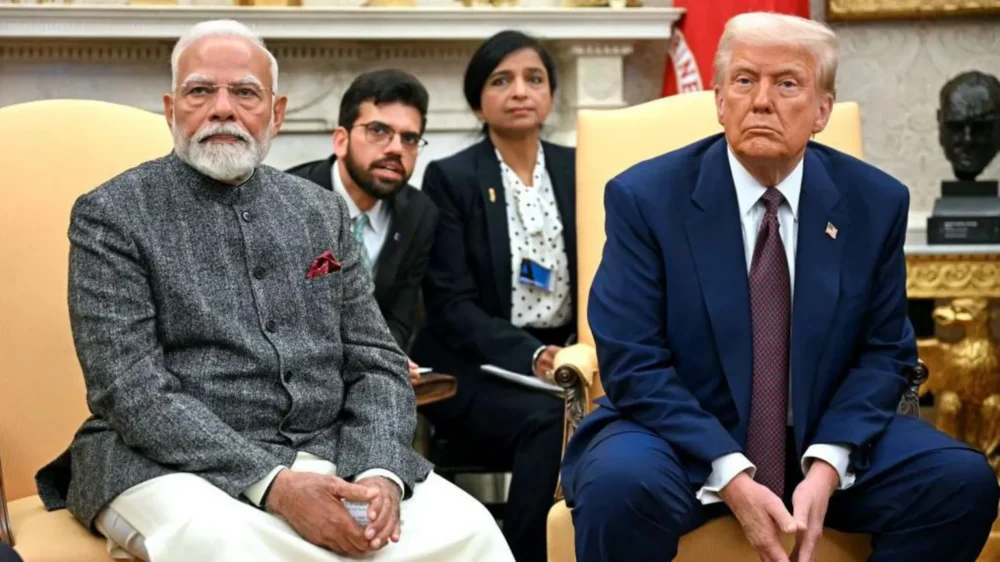
Political power is not ultimately measured by the number of candidates a community can elect from within its own ranks. A more enduring measure is whether that community can participate meaningfully in American democracy, build alliances beyond ethnicity and party, and help elect leaders capable of representing an entire constituency.
For Indian Americans, that evolution from representation to coalition-building may define the community’s next political chapter.
And Trumbull, Connecticut, provides an illuminating local example.
A Victory Built Across Communities
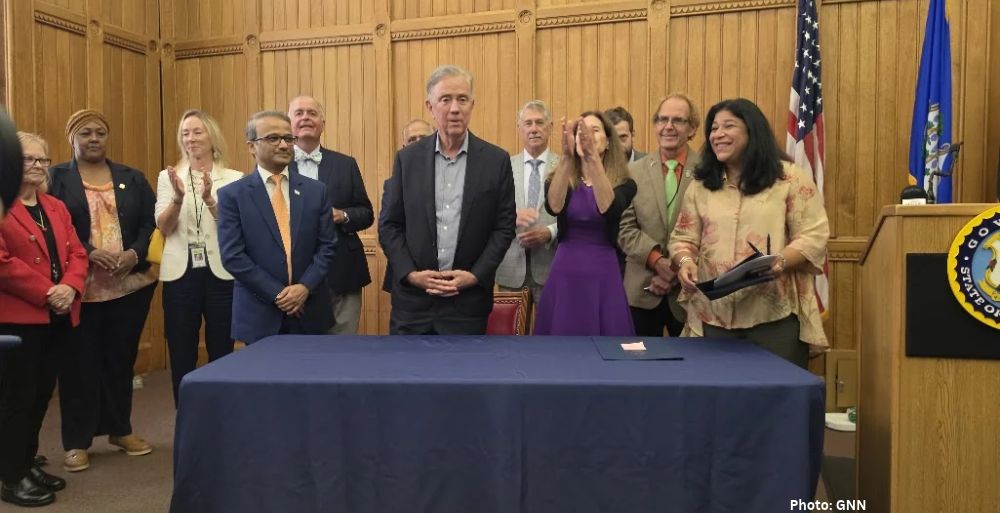
The election of Sujata Gadkar-Wilcox to Connecticut’s 22nd State Senate District illustrates why coalition politics matters.
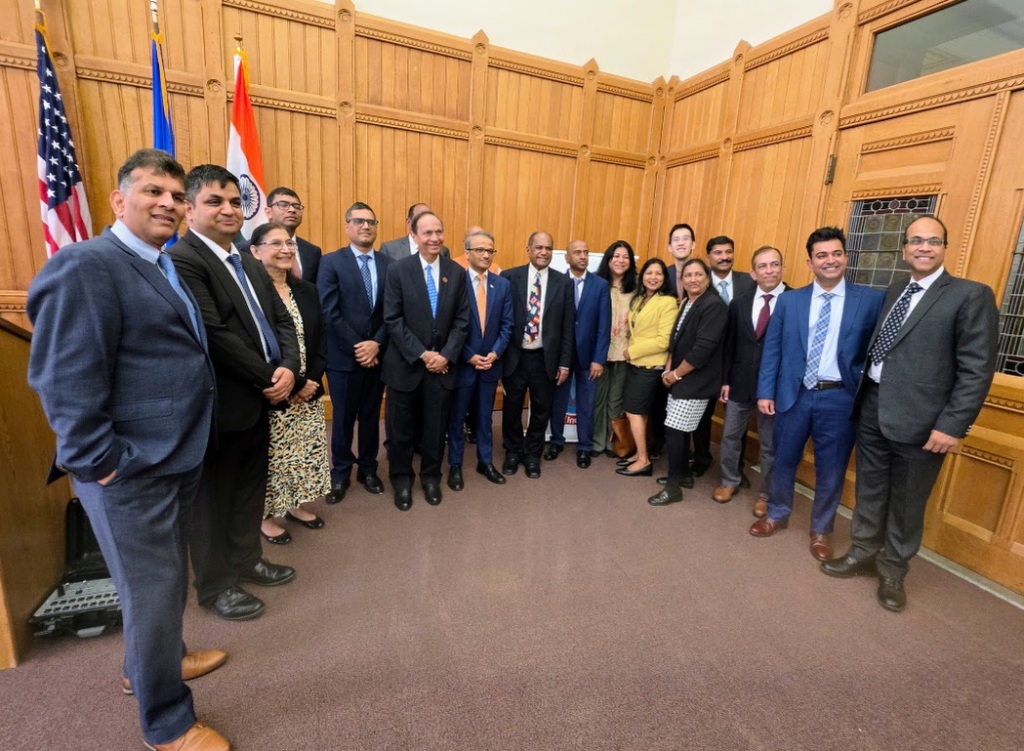
The numbers tell an important story. Asian Americans constitute about 9.2 percent of Trumbull’s population, representing roughly 3,500 residents based on the Census Bureau’s latest population estimate. The Asian category includes Indian Americans as well as people of other Asian origins.
In Trumbull, Sen. Sujata Gadkar-Wilcox received 5,680 votes in the 2024 Senate contest, compared with 6,603 for Chris Carrena and 200 for Robert Edward Halstead. She therefore trailed Chris Carrena in Trumbull by 923 votes, yet won the overall district, which encompasses Bridgeport, Trumbull and Monroe.
The lesson is larger than a single election: successful democratic coalitions do not require a candidate to dominate every town or demographic group. They require different constituencies to find enough common ground to produce collective political strength.
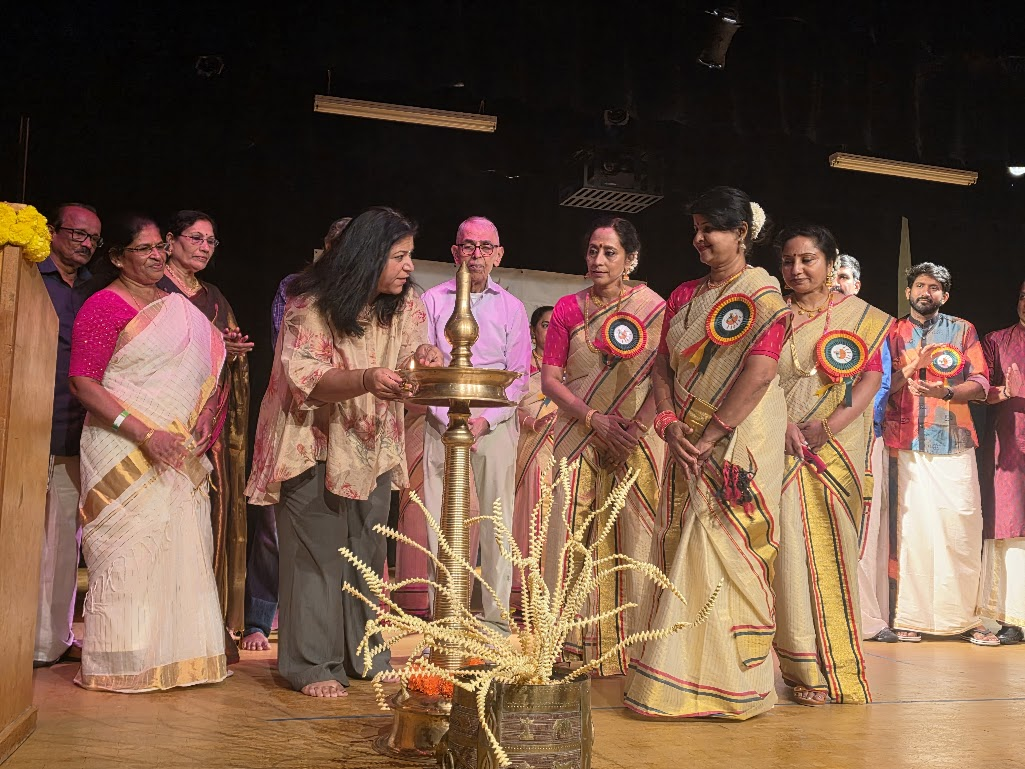
That philosophy is evident in Sujata Gadkar-Wilcox’s public language about representation.
“I believe in a government that prioritizes people, not special interests or personal benefit,” she says in her campaign biography. She also describes her approach in explicitly community-centered terms, saying that she wants “to bring your voice to Hartford.”
Those words matter because they shift the emphasis away from the identity of the candidate and toward the relationship between an elected representative and the people she serves.
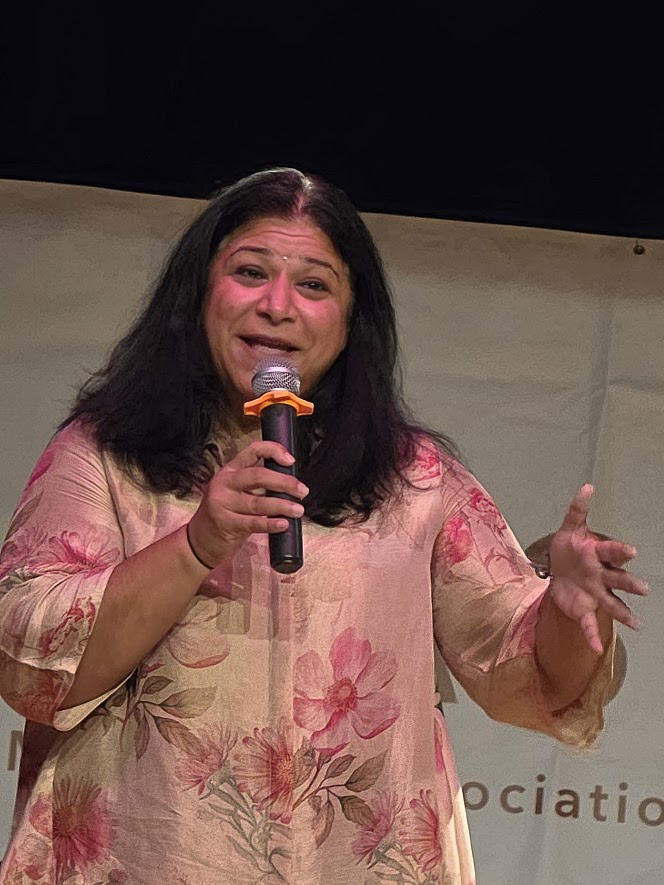
Her current campaign site carries the same broader orientation. “I care about our quality of life,” Sujata Gadkar-Wilcox says, identifying Bridgeport, Trumbull and Monroe together in describing her work in the Senate.
Today, the Connecticut Senate Democrats identify her as a State Senator representing Bridgeport, Trumbull and Monroe and as Deputy Majority Leader.
When Small Numbers Can Carry Large Political Meaning
Trumbull also demonstrates why sustained civic participation matters.
For instance, the closeness of recent Trumbull elections shows why relatively small communities should not underestimate their potential electoral relevance.
According to the 2024 Trumbull Registrar of Voters election produced a margin of just 85 votes between Tracy S. Vonick, who received 10,517 votes, and Jean Rabinow, who received 10,432. It also points to an 11-vote separation between the Democratic and Republican candidates in the Trumbull portion of State House District 122.
Those numbers do not establish that Indian-American voters determined either election, and it would be an overstatement to claim otherwise.
They demonstrate something more defensible: in close local elections, relatively modest shifts in registration, turnout and civic participation can become consequential.
For Indian Americans and other growing communities, that is a powerful lesson. Political influence does not require numerical dominance. It requires organization, participation and relationships.
A Politics of the Public Good
Perhaps the strongest intellectual foundation for Sujata Gadkar-Wilcox’s approach comes from her 2019 talk, where she stated: “A Politics of the Public Good.”
Her argument was that Americans needed “to return to an understanding of politics as a public good.” The description accompanying the talk emphasizes government in which laws are accessible, representatives make decisions through community deliberation, and ordinary citizens have a voice.
That concept is especially relevant to a discussion of coalition-building.
A politics of the public good cannot be restricted to a single ethnic, religious or partisan constituency. By definition, it asks citizens to look beyond individual interests toward a shared civic future.
Her earlier campaign rhetoric reflected the same instinct. “The time is now to take responsibility for getting our state back on the right path,” Sujata Gadkar-Wilcox argued during an earlier campaign for the Connecticut House.
She spoke about public education, fiscal responsibility and infrastructure, saying, “We have an obligation to ensure that our children enjoy quality public education, preparing them to be innovators and problem solvers.”
And she framed representation in language that transcended community identity: “I hope to earn your support so that I may carry your voice to Hartford, working to ensure that you are not only able to thrive, but that Connecticut remains the place you are proud to call home.”
That is coalition politics at its most fundamental level: your voice, your community, our state.
An Indian-American Community Coming of Political Age
The Trumbull story is occurring against a much larger national transformation.
The Carnegie Endowment’s 2024 Indian American Attitudes Survey reported that more than 5.2 million people of Indian origin lived in the United States and described Indian Americans as the country’s second-largest immigrant group. The researchers said the community had “emerged as an important political actor” because of rapid demographic growth, close margins in presidential elections and professional success.
But demographic growth should not be confused with automatic political power. Political power has to be constructed.
It develops when people register to vote; when parents participate in school debates; when professionals serve on local commissions; when business owners engage with municipalities; when young people volunteer in campaigns; when residents attend town meetings; and, most importantly, when communities build relationships with people whose backgrounds and political affiliations differ from their own.
That is how an ethnic constituency begins becoming a civic force.
Indian-American Issues Are American Issues
The 2024 Indian American Attitudes Survey also undermines the notion that Indian-American political life revolves primarily around India or immigration.
The survey examined voters’ views on inflation, abortion, immigration and other domestic concerns. Reporting on the survey found inflation and prices to be the top issue for the largest group of respondents, followed by abortion and reproductive rights and jobs and the economy.
That matters politically.
Indian-American voters are homeowners worried about property taxes, parents concerned about schools, entrepreneurs thinking about the economy, patients navigating healthcare, commuters concerned about infrastructure and citizens debating constitutional rights and public safety.
Their concerns increasingly intersect with those of their neighbors.
That intersection is exactly where durable political coalitions can be built.
Representation Is a Beginning, Not the Destination
The election of Indian-American candidates unquestionably carries symbolic significance. Representation can encourage younger generations to envision themselves as mayors, legislators, judges, governors or members of Congress.
But symbolism should not become the final definition of political success.
The more ambitious questions are these: Can Indian Americans help elect people who command trust beyond the Indian-American community?
Can they build lasting partnerships with African-American, Latino, Asian, immigrant and long-established American communities?
Can they participate meaningfully in both major parties, as well as civic institutions outside partisan politics?
Can Indian-American elected officials be judged not merely as representatives of Indian Americans but as effective representatives of everyone they serve?
Those questions move the conversation from ethnic representation to democratic relevance.
Trumbull as a Microcosm
Trumbull offers a useful lens through which to view that transition.
Its close elections demonstrate the potential importance of participation. Sen. Sujata Gadkar-Wilcox’s districtwide victory demonstrates the importance of looking beyond a single town or constituency. And her longstanding emphasis on community participation provides a philosophical framework for understanding what coalition politics can mean.
Her current description of the senator’s role makes the point particularly well. In discussing why she is seeking another term, she told Patch that she hopes to continue advocating for “a kind of community-based politics,” in which being a senator is “more about showing up for the community and understanding and communicating their essential needs than it is about any one given policy issue.”
“Showing up for the community.”
That may be one of the simplest definitions of durable political power.
It means showing up not only for Indian-American gatherings but for the concerns of neighbors who may share neither one’s ethnicity nor one’s politics.
It means building relationships before an election rather than merely mobilizing voters immediately before one.
And it means understanding coalition-building not as political arithmetic alone, but as an ongoing civic responsibility.
From Presence to Participation, and Participation to Power
America’s Indian-American community has reached a consequential stage in its political development.
Its demographic presence is established. Its representation has grown. Its political visibility is unmistakable.
The next challenge is deeper: converting that visibility into durable civic influence.
That evolution follows a natural progression: Demographic presence creates opportunity. Civic participation creates credibility. Representation creates visibility. Partnership creates trust. Coalition-building creates lasting political power.
The experience of Trumbull suggests that the future will not necessarily belong to the community that is numerically largest. It may belong to communities that are organized, engaged and willing to work with others.
And that may ultimately be the more important measure of Indian-American political success in the United States.
The journey is to be from demographic presence to civic participation, from participation to representation, and from representation to coalition-building. The ultimate achievement is not merely securing a seat at America’s political table, but helping build the coalition around that table, in contributing to build a brighter future for all Americans.