In India—as in most parts of the world, including Australia—when a person dies, the customary practice is either to bury or cremate the body. Due to growing space constraints in cemeteries and environmental concerns, Australia (specifically the state of New South Wales) has legally approved a new alternative to traditional funerals.
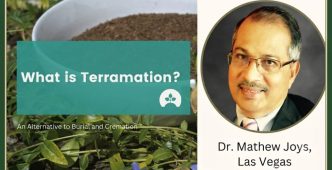
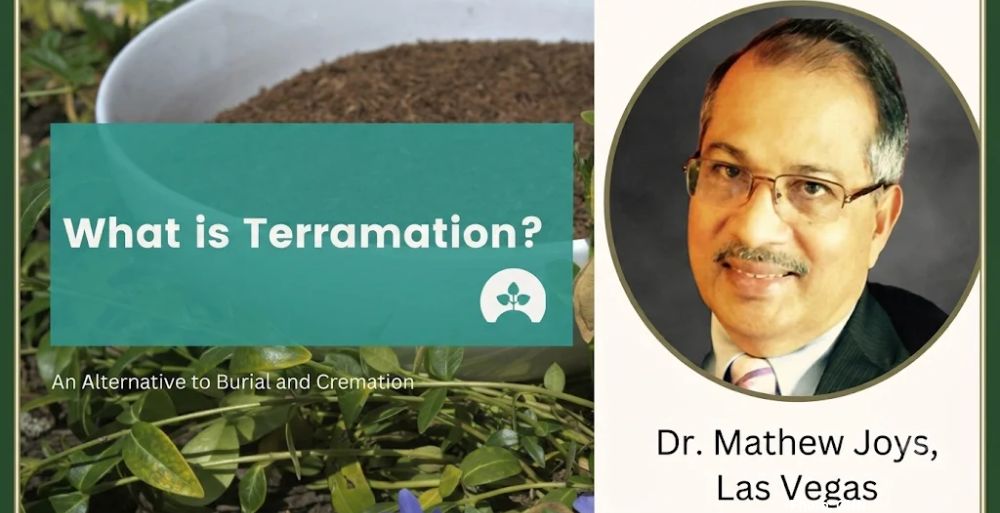
This method is known as Human Composting or Natural Organic Reduction, and is legally referred to as Terramation. It is a process that uses microbes to transform a human corpse into a nutrient-rich, soil-like substance. While many may initially feel uneasy about the idea of turning a human body into compost, severe land shortages could prompt countries like India to consider similar alternatives in the future. Here is a look at how the process works and how it compares to existing methods.
The Body Does Not Disappear Immediately as in cremation
Cultures worldwide follow traditions aimed at honoring the dead, such as dressing the body in ceremonial attire. While some traditions wish for the body to return to the earth quickly, others attempt to preserve it for as long as possible.
In nature, decomposition is not instantaneous; it takes considerable time. Under favorable temperature and moisture conditions, microorganisms and insects—including flies and beetles—break down organic tissues. This is nature’s own mechanism for recycling organic matter and returning vital nutrients back to the ecosystem.
To align with this natural cycle, natural or “green” burials first gained popularity in Australia. In a green burial, chemical embalming is avoided, the deceased is dressed strictly in biodegradable clothing, and the body is buried in a thin, easily decomposable coffin so that it merges with the soil naturally.
How ‘Terramation’ (Human Composting) Works
Terramation accelerates this natural decomposition process inside a controlled environment:
1. Preparation in a Special Vessel: Instead of a traditional burial or cremation, the unembalmed body is placed inside a specially designed, reusable steel vessel (container) along with organic plant materials such as woodchips, straw, and alfalfa.
2. Microbial Breakdown & Rotation: Beneficial microbes naturally heat up the mixture inside the container, breaking down the body under carefully monitored temperature, moisture, and airflow levels. At regular intervals, the vessel is rotated 360 degrees or gently tilted from side to side to ensure even aeration and speed up decomposition.
3. Processing Bones and Teeth: Because not every part of the body breaks down completely through microbial action alone, remaining fragments like bones and teeth are mechanically ground down and reincorporated into the mixture.
4. The Final Result: Within two to three months (around 60 to 90 days), the body is completely transformed into approximately one cubic meter of nutrient-rich, pathogen-free, compost-like soil. Families can take this soil home to plant memorial trees, use it for gardening, or donate it for land regeneration and conservation projects.
Origins and Future Outlook
The modern human composting method was pioneered in the United States by Katrina Spade (founder of Recompose). Currently, human composting is legal in 14 U.S. states, with dedicated facilities expanding across the country.
Although the legislation has now been passed in Australia, the first actual terramation procedure there is expected to take place only by around 2029. For the method to become fully operational, authorities must first establish strict regulatory frameworks, set up licensed specialized facilities, and build public awareness and acceptance.