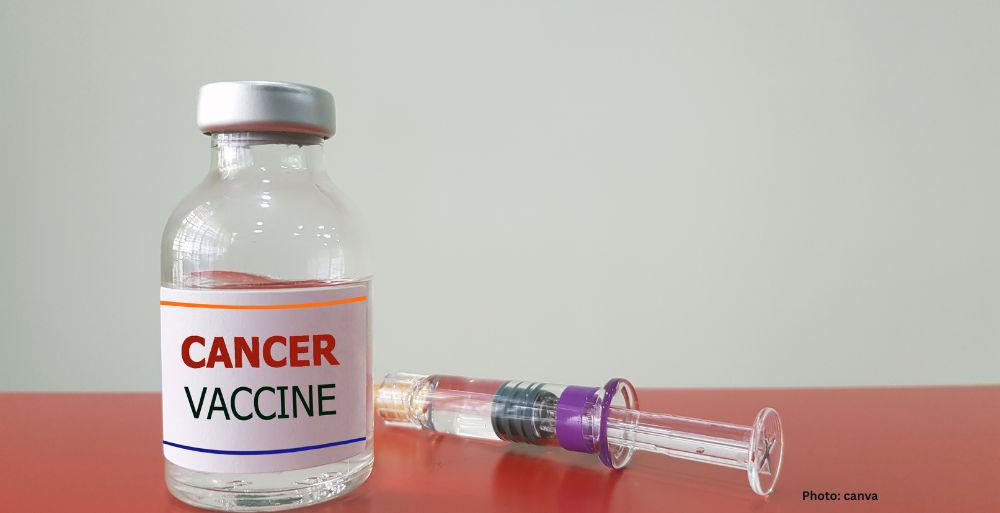
A recent clinical trial has demonstrated that a new personalized cancer vaccine, when combined with an established immunotherapy, can significantly reduce the risk of melanoma recurrence and improve patient outcomes.
A groundbreaking clinical trial has revealed that a personalized cancer vaccine, when administered alongside the established immunotherapy Keytruda, significantly decreases the risk of melanoma recurrence and mortality. The trial involved 1,137 participants and was conducted by a team of researchers who are hopeful that these findings could represent a pivotal advancement in the field of cancer treatment.
Trial Overview
The recent study showed that patients receiving the new vaccine experienced a 42% reduction in the risk of dying from melanoma or having their cancer return. Furthermore, the combination treatment reduced the risk of melanoma spreading by 38% over a two-year period compared to patients who received immunotherapy alone. This trial, conducted in collaboration with drug manufacturers MSD (known as Merck in the United States) and Moderna, is part of a broader initiative to explore the effectiveness of personalized medicine in oncology.
Personalized Approach
The personalized vaccine, named Intismeran, utilizes the same mRNA technology that underpinned some of the COVID-19 vaccines. It is tailored to each individual patient by leveraging genetic information from their own tumor. This innovation aims to enhance the immune system’s ability to recognize and attack cancer cells that may re-emerge post-surgery. The patients enrolled in the trial had previously undergone surgery to remove their tumors.
Patient Experiences
Among the participants was Tony Chapman, a 75-year-old from Corby in the East Midlands, who was first diagnosed with melanoma in 2019. After undergoing surgical removal of a tumor from his chest, he faced a recurrence when a lump appeared under his arm. Following a second operation, Chapman volunteered for the trial. Despite uncertainty regarding whether he received the experimental vaccine or a placebo, he expressed optimism about the advancement of scientific research. “This just seemed like a really good example of moving science forward, as well as getting some benefit for yourself, so what’s to lose?” Chapman stated. Three years post-treatment, he remains cancer-free and is now monitored biannually.
Market and Regulatory Implications
The results of the trial have generated significant interest in the pharmaceutical market, with shares of both MSD and Moderna experiencing fluctuations based on the initial reports of success. However, financial analysts raised concerns that the results may not be as robust as those from an earlier, smaller trial, leading to a sell-off of stocks on the day following the announcement. As the companies prepare to engage with regulatory authorities, they suggest that they might seek approval for the vaccine as early as next year. The widespread adoption of this treatment within the National Health Service (NHS) will hinge on cost considerations, particularly given the necessity for each patient’s tumor to undergo genetic analysis for the personalized vaccine to be developed.
Expert Analysis and Future Directions
Independent cancer experts have hailed the trial results as impressive but caution that further long-term studies are essential to ascertain the treatment’s efficacy in extending overall patient survival. Professor Alan Melcher from the Institute of Cancer Research in London, who was not involved in the study, acknowledged the findings as a vital proof of principle for the field of personalized medicine in oncology. However, he emphasized the importance of not extrapolating the results from this melanoma trial to all cancer types without additional evidence. “We can’t assume from one melanoma trial that the same approach will work across all cancers, and longer follow-up will be important to understand the effect on overall survival,” he stated.
The full findings of the trial are expected to be presented at the upcoming European Society of Medical Oncology (ESMO) cancer conference in Madrid, scheduled for later this week. The results have not yet undergone peer review, which is a critical step for validation by independent experts in the field.
Historical Context of Melanoma Treatment
Melanoma, a potentially deadly form of skin cancer, has seen significant advancements in treatment over the past decade. Historically, patients diagnosed with metastatic melanoma had limited options, often undergoing invasive surgeries or chemotherapy with modest success rates. The introduction of immunotherapy, particularly drugs like Keytruda, has transformed treatment paradigms, offering hope to many patients with advanced disease. The development of personalized vaccines represents a further evolution in this field, potentially harnessing the body’s own immune defenses more effectively than traditional therapies.
Future of Cancer Vaccines
The promising results from this trial may pave the way for broader applications of personalized cancer vaccines in other types of tumors, including kidney, bladder, and lung cancers. As research continues, the focus will likely shift toward understanding the mechanisms behind these vaccines and their roles in combination therapies. This evolving landscape in cancer treatment emphasizes the importance of personalized medicine, where therapies are tailored to individual genetic profiles, potentially leading to better outcomes and reduced side effects.
As the medical community eagerly awaits further results and regulatory developments, the potential for personalized cancer vaccines to change the course of treatment for melanoma and other cancers remains a significant area of interest. The ongoing dialogue among researchers, patients, and regulatory bodies will be crucial in shaping the future of cancer care.