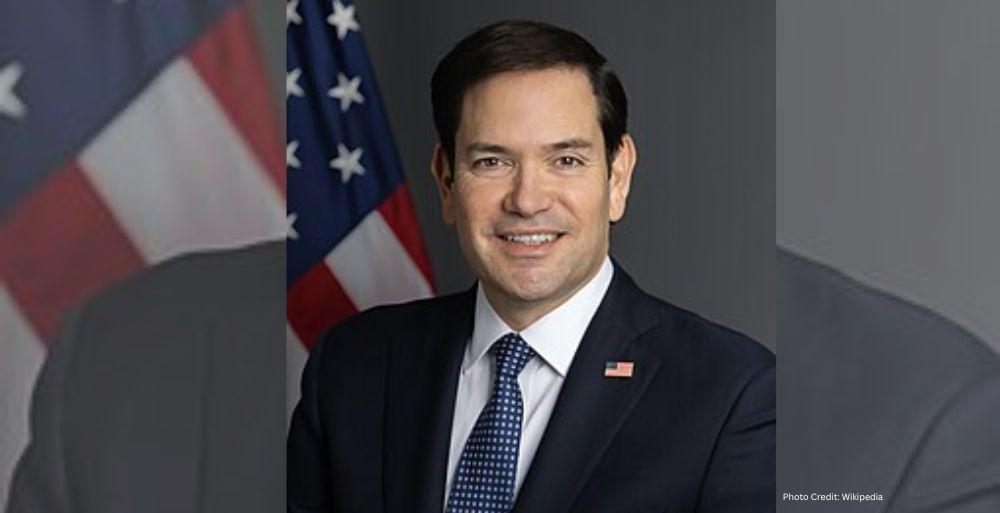
U.S. Secretary of State Marco Rubio will visit India from October 17 to 22 to enhance bilateral relations, focusing on energy cooperation, trade, and investment, against a backdrop of geopolitical tensions.
WASHINGTON — U.S. Secretary of State Marco Rubio is scheduled to visit India from October 17 to 22, 2023, as part of ongoing efforts to fortify U.S.-India relations. His itinerary includes significant stops in Mumbai and Jamnagar, Gujarat, where discussions will center around energy cooperation, trade, and investment—areas regarded as critical to both nations’ strategic interests. The State Department made the announcement on Wednesday, emphasizing the visit’s relevance amid shifting geopolitical landscapes and energy market fluctuations.
Objectives of the Visit
During his visit, Secretary Rubio plans to meet with senior Indian government officials to reinforce the U.S.-India strategic partnership. The discussions are expected to encompass a range of topics, including the current regional and global dynamics, and the exploration of commercial investment opportunities. This will mark Rubio’s second official trip to India this year, following a previous visit in May, during which he characterized India as a “great partner” in various sectors including energy, defense, and technology.
Energy Cooperation and Geopolitical Context
The timing of Secretary Rubio’s visit is particularly notable due to an impending October 18 deadline under the Graham Act, which imposes potential penalties on countries engaged in the purchase of Russian energy. Since the onset of the Ukraine conflict in 2022, India has emerged as one of the largest importers of Russian crude oil, raising concerns within U.S. policy circles about the implications for U.S.-India relations. This burgeoning energy trade with Moscow has introduced complexities that could impact diplomatic interactions as the U.S. seeks to align its foreign policy with its allies’ energy strategies.
Rubio’s planned visit to Jamnagar is significant, given that it houses Reliance Industries’ expansive oil refining complex—one of the largest globally. While the State Department did not provide specific details regarding this stop, it underscores the critical importance of energy discussions in the broader context of U.S.-India relations. Energy security is a pressing issue on the international stage, and addressing India’s reliance on Russian energy will likely be a focal point of discussions during Rubio’s meetings.
Engagement in Central Asia
Before arriving in India, Secretary Rubio will attend the C5+1 Ministerial meeting in Samarkand, Uzbekistan, which serves as a diplomatic platform connecting the United States with five Central Asian republics: Uzbekistan, Kazakhstan, Tajikistan, Turkmenistan, and the Kyrgyz Republic. The C5+1 initiative aims to promote regional cooperation and tackle shared economic and security challenges. This meeting will enable Rubio to engage in discussions with senior officials from these nations regarding collaborative efforts to enhance stability and prosperity across Central Asia.
The State Department indicated that Rubio would lead a U.S. commercial delegation comprising over 200 business leaders, reflecting a robust commitment to strengthening economic ties between the U.S. and Central Asia. The involvement of such a significant number of business leaders underlines the importance of economic collaboration as a cornerstone of U.S. foreign policy in the region.
U.S.-India Strategic Partnership
The U.S.-India partnership has evolved into a comprehensive global strategic alliance encompassing defense, trade, technology, and energy. The upcoming meetings between Rubio and Indian officials are expected to provide a platform for both countries to address mutual economic priorities while reinforcing bilateral cooperation amid changing geopolitical dynamics and energy market conditions.
As the geopolitical landscape continues to evolve, the discussions led by Secretary Rubio in India may have far-reaching implications for U.S.-India relations, particularly regarding energy security and economic resilience. The ongoing dialogue reflects a shared interest in navigating complex international dynamics, especially in light of India’s energy procurement strategies amidst pressure from Western allies.
Implications for Future Relations
The U.S.-India partnership is characterized by a shared commitment to democratic values and economic collaboration. However, divergent energy policies—particularly concerning Russian oil imports—pose challenges that require careful navigation. As India balances its energy needs with international expectations, the discussions led by Rubio may significantly influence the direction of bilateral relations moving forward.
Moreover, the outcomes of Rubio’s discussions in India could influence broader U.S. strategies regarding energy security and international trade regulations, especially as nations grapple with the repercussions of geopolitical conflicts. The complexities of U.S.-India energy dynamics underscore the need for strategic dialogue aimed at aligning both countries’ energy policies with their shared goals in the face of global challenges.
In conclusion, Secretary Rubio’s forthcoming visit to India is poised to address critical issues at the intersection of energy cooperation, trade, and geopolitical stability. As both nations seek to reinforce their strategic partnership, the discussions that take place during this visit could play a pivotal role in determining the future trajectory of U.S.-India relations in an increasingly complex global environment.