In a significant escalation of conflict in the region, a missile attack on King Khalid International Airport in Riyadh, Saudi Arabia, has left 12 dead and more than 300 injured, prompting the extension of airport closures and raising concerns over regional stability.
CAIRO — On Sunday, Saudi Arabia announced an extension of the closure of King Khalid International Airport in Riyadh following a missile attack that occurred the previous day. The assault, attributed to Yemen’s Iran-backed Houthi rebels, resulted in the deaths of 12 individuals from various countries and injuries to over 300 others, marking a serious escalation in the ongoing conflict between the Houthis and Saudi Arabia.
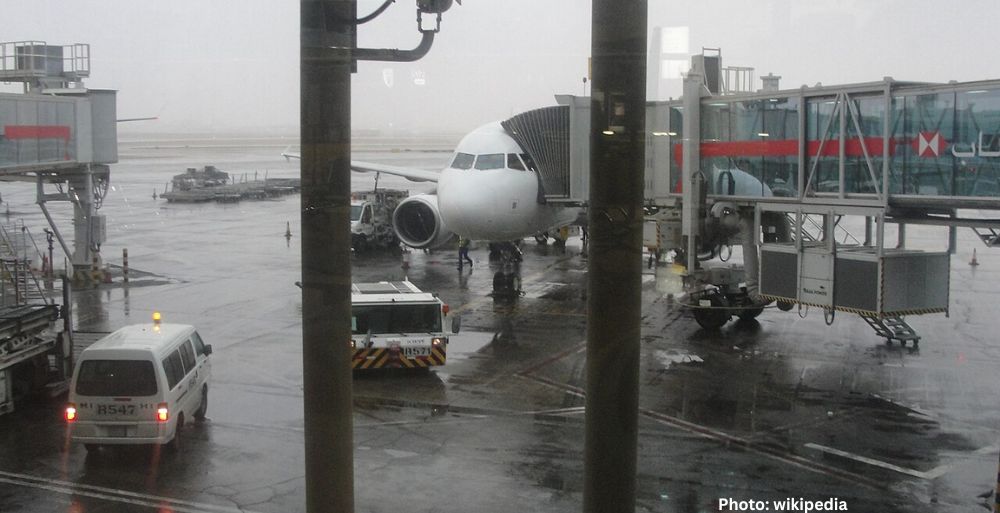
The missile strike on Saturday afternoon targeted an airport complex housing terminals 3 and 4, as confirmed by a regional official who spoke on condition of anonymity due to the sensitive nature of the situation. The attack has been described as the deadliest incident in any Gulf Arab nation since the beginning of the Iran conflict, underscoring the deteriorating security situation in the region.
Casualties and Immediate Reactions
The Saudi-led coalition quickly condemned the missile strike, labeling it a “fully-fledged war crime” and pledging a strong response. The coalition is actively engaged in a military campaign against the Houthis, who have increasingly targeted Saudi infrastructure in recent weeks, particularly airports and oil facilities.
Among the deceased were four Saudi nationals, two Bangladeshi citizens, one Palestinian, an American, an Egyptian, a Jordanian, a Syrian, and a Sudanese. The injured individuals are currently receiving treatment at various hospitals across Riyadh. U.S. Secretary of State Marco Rubio confirmed that an American citizen was among those killed, and he condemned the attack in a social media post.
The Egyptian victim has been identified as Azza Ramzy, a 28-year-old flight attendant working for Saudi airline Flybas, according to reports from Egyptian state media.
U.S. Government Response
In the aftermath of the attack, U.S. President Donald Trump indicated that he was contemplating whether the United States would join Saudi military operations against the Houthis. In a statement made shortly after the incident, Trump remarked, “We may. We’re going to look at it. We just found out about the recent attack. So we’ll make a decision. We move very quickly.” He further stated that he planned to discuss the situation with Saudi Crown Prince Mohammed bin Salman.
This incident is likely to heighten Saudi Arabia’s expectations for increased military support from its allies, particularly the United States, as the kingdom seeks to counter the growing threat from the Houthis. The coalition’s campaign has faced challenges, including dwindling missile interceptors, prompting requests for air defense assistance from nations such as France, Britain, Pakistan, and Egypt.
Historical Context and Implications
The conflict between Saudi Arabia and the Houthis, which escalated significantly in 2015 when the kingdom intervened in Yemen’s civil war, has seen a resurgence of violence following a fragile ceasefire that ended in July 2022. The Houthis have resumed aggressive actions, claiming that the Saudi coalition has targeted Yemen’s Sanaa International Airport as a plane from Iran attempted to land.
This recent surge in hostilities includes attacks on various Saudi military facilities and oil infrastructure, which are crucial to the kingdom’s economy. The Houthis have utilized these attacks to exert pressure on Saudi Arabia, a key ally of the United States, and to demonstrate their military capabilities.
As a result of the escalating tensions, several international airlines, including Air India, FlyDubai, Lufthansa Group, and Pakistan International Airlines, have temporarily suspended flights to and from Saudi airports, indicating the far-reaching impact of the conflict on global travel and commerce.
Future Considerations
The ongoing conflict has significant implications not only for regional stability but also for global oil markets, as Saudi Arabia is the world’s leading oil exporter. The recent attacks have led to rising oil prices and increased market volatility, raising concerns among economists and analysts about the potential for further escalation in the region.
As the situation develops, international observers will be closely monitoring the response from both the Saudi-led coalition and the Houthis, as well as the potential involvement of the United States and its allies in addressing the growing conflict. The latest attack serves as a stark reminder of the fragile security landscape in the Middle East and the ongoing humanitarian crisis in Yemen.