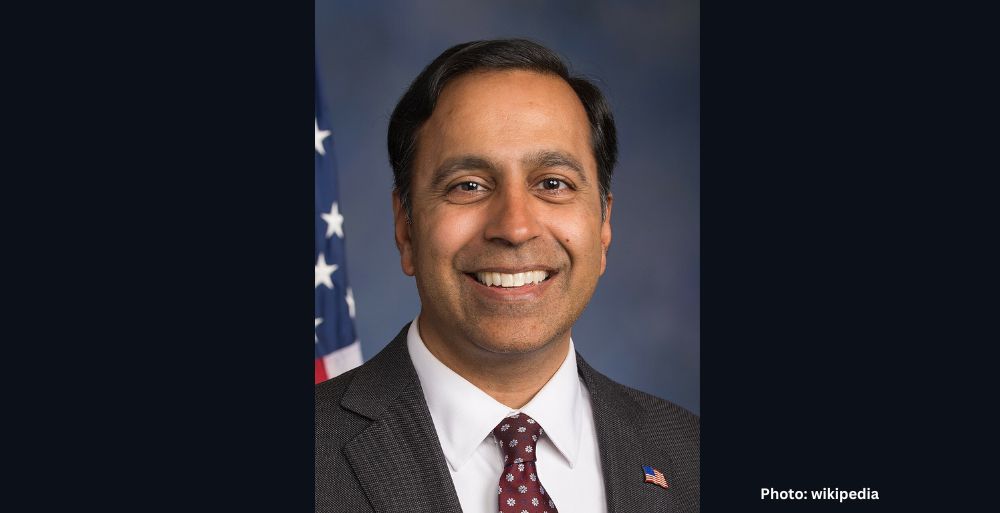
In response to a significant increase in online hate targeting South Asians, Congressman Raja Krishnamoorthi urges political leaders to unite across party lines against racism and xenophobia.
Indian-American Congressman Raja Krishnamoorthi has raised an alarm regarding the troubling rise in anti-South Asian hate, following the release of a study revealing a staggering increase in hateful online posts. The report, published by the Center for the Study of Organized Hate, indicates that from January 2024 to June 2026, the monthly volume of anti-South Asian hate posts on the social media platform X surged by 240 percent.
According to the study, approximately 542,360 hate-filled posts targeting South Asians were identified during the period from January 2025 to June 2026. Alarmingly, 45 percent of these posts framed South Asians as invaders, job thieves, or demographic threats, underscoring the intersection of immigration politics, economic anxiety, and politically charged rhetoric in the current social landscape.
Contextualizing the Rise in Online Hate
The increase in anti-South Asian sentiment is symptomatic of a broader issue of hate speech that has gained traction in recent years, particularly as it aligns with contentious immigration debates and rising xenophobia in U.S. politics. The figures presented in the report pertain exclusively to online discourse and do not encompass physical assaults, reported crimes, or individual victims of hate, highlighting the need for a comprehensive understanding of the scope and impact of such rhetoric.
In a statement released on September 30, Krishnamoorthi emphasized that the surge in anti-South Asian hate is not an isolated phenomenon. He pointed out that “the 240 percent surge in monthly anti-South Asian hate on X did not come out of nowhere,” urging political leaders to reflect on how their language and actions contribute to a culture of hostility. This call for introspection is particularly poignant as the nation grapples with increasing polarization and division.
The Impact of Political Rhetoric
Krishnamoorthi specifically criticized the harmful narratives propagated during the Trump administration, arguing that they have played a crucial role in fostering animosity toward the South Asian community. He referenced instances where politicians have unjustly demonized South Asians, noting how public figures have perpetuated negative stereotypes, even in contexts as mundane as attending a college football game. He remarked, “We have watched politicians demonize South Asians over something as ordinary as attending a college football game and the Trump Administration traffic in racist stereotypes targeting people named Singh.”
This kind of rhetoric, he asserts, not only contributes to a hostile environment but also undermines the valuable contributions of South Asian Americans to the social, cultural, and economic fabric of the United States. The congressman’s remarks reflect a growing concern among community leaders and advocates about the long-term implications of such divisive language.
A Call for Bipartisan Unity
In light of the alarming findings, Krishnamoorthi is advocating for a united front against all forms of racism and xenophobia. He believes it is imperative for leaders from both political parties to vocally denounce hate and promote a culture of inclusivity. “Americans of every background, and leaders of both parties, need to speak out against racism and xenophobia wherever they appear,” he stressed, highlighting the importance of collective action to tackle this pressing issue.
This call for unity resonates in a political climate increasingly characterized by division, where discussions about race, identity, and belonging have taken center stage. Krishnamoorthi’s appeal for bipartisan cooperation may find support among those concerned about the trajectory of public discourse in the United States and the urgent need to address the root causes of hate.
Historical Context and Implications
The South Asian American community has historically faced challenges related to representation, discrimination, and misunderstanding. The recent increase in online hate serves as a stark reminder of the work that remains to be done to ensure a society that values diversity and inclusion. As Krishnamoorthi points out, acknowledging and addressing these issues is crucial for fostering an environment where all individuals can thrive without fear of discrimination or violence.
Furthermore, the implications of this rise in hate speech extend beyond the digital realm. The normalization of derogatory language and harmful stereotypes can foster a culture of intolerance, potentially manifesting in real-world violence and discrimination. It is essential for community leaders, political figures, and citizens alike to remain vigilant against such trends and actively work towards fostering understanding and inclusivity.
As the nation continues to confront the challenges posed by hate speech and xenophobia, Krishnamoorthi’s emphasis on bipartisan cooperation offers a roadmap for addressing these critical issues. The congressman’s advocacy underscores the necessity for a collective commitment to combating hate in all its forms, recognizing that the struggle against racism and discrimination is a shared responsibility that transcends political divides.