House Democratic Leader Hakeem Jeffries has condemned a surge in anti-South Asian hate, urging bipartisan efforts to combat racism and xenophobia following recent violent incidents.
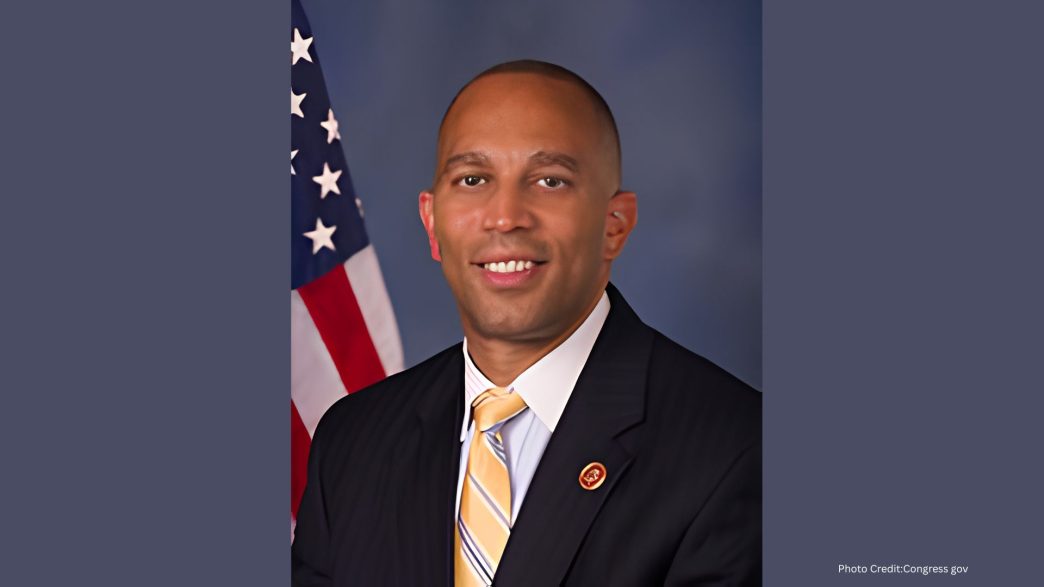
WASHINGTON, DC – On September 18, House Democratic Leader Hakeem Jeffries issued a statement condemning what he characterized as a troubling rise in anti-South Asian hate in the United States. His remarks come in the wake of several incidents that have raised alarms within the South Asian community, prompting calls for a unified response to xenophobia and racism.
Jeffries highlighted a particularly violent attack involving a Sikh driver in Wyoming, who was reportedly stabbed 17 times. This incident, occurring against the backdrop of rising tensions and bias incidents, was linked to what Jeffries described as racist propaganda disseminated by the Department of Homeland Security. This propaganda allegedly included a message that read, “Get off our roads, you don’t know how to drive, Mr. Singh,” which Jeffries cited as an example of the dehumanizing rhetoric that incites violence against minority communities.
Contextualizing the Surge in Hate
The increase in anti-South Asian sentiment has been a point of concern for many advocacy groups and community leaders. According to the FBI’s Hate Crime Statistics, hate crimes targeting individuals based on ethnicity and national origin have seen fluctuations in reporting, but incidents against South Asian individuals have been particularly pronounced since the onset of the COVID-19 pandemic. This rise has been attributed to an increase in xenophobic attitudes related to the virus’s origins, with many South Asians facing discrimination and violence.
In addition to the stabbing incident, Jeffries referred to remarks made by Bo French, a Republican candidate for statewide office in Texas, which were perceived as derogatory towards South Asian students celebrating at a University of Texas football game. Such comments, according to Jeffries, reflect a broader trend of dismissive and demeaning rhetoric targeting South Asian communities across the nation.
Political Response and Calls for Action
In his statement, Jeffries criticized Republican leaders for what he described as a failure to confront hate speech and actions that undermine social cohesion. “It is unacceptable, unconscionable and un-American,” he stated, emphasizing the need for a collective approach to address and dismantle systemic racism. His comments come at a time when racial tensions are high, and the political landscape is increasingly polarized.
Jeffries articulated a vision of the United States as a “gorgeous mosaic of people from all over the world,” underscoring the contributions of immigrants and minority communities to the fabric of American society. He called on Republican lawmakers to join House Democrats in a concerted effort to confront racism and xenophobia, suggesting that bipartisan cooperation is essential for effectively combating hate. The urgency of his message reflects a growing concern among many lawmakers about the implications of unchecked hate speech and violence on societal cohesion.
Community Reactions and Ongoing Efforts
The reaction from the South Asian community has been one of both concern and determination. Advocacy groups have ramped up efforts to raise awareness about the violence and discrimination faced by South Asians, urging community members to report incidents of hate and seek support. Organizations such as the Sikh Coalition and the South Asian Americans Leading Together (SAALT) have been vocal in their condemnation of hate crimes and are actively working to promote understanding and solidarity among diverse communities.
Moreover, many community leaders are emphasizing the importance of educational initiatives aimed at combating stereotypes and promoting cultural understanding. Programs that foster dialogue between different ethnic groups are seen as crucial steps toward healing and reconciliation in a society that has become increasingly fragmented along racial lines.
Jeffries’ call for unity against hate resonates with a growing number of voices across the political spectrum advocating for a more inclusive society. With midterm elections approaching, the issue of racial justice and the treatment of minority communities will likely remain a focal point in political discourse. As candidates on both sides of the aisle prepare for the elections, their responses to incidents of hate and their stances on racial issues may significantly influence voter sentiment.
As the legislative session continues, it remains to be seen how effectively lawmakers will respond to these calls for action. The bipartisan effort to confront racism and xenophobia could shape not only future legislative priorities but also the broader narrative surrounding race relations in the United States. With rising tensions and a polarized political environment, the challenge lies in fostering a collaborative spirit that prioritizes human dignity and respect for all individuals.
Conclusion
In conclusion, Hakeem Jeffries’ condemnation of anti-South Asian hate highlights an urgent need for dialogue and action against discrimination in all its forms. As the nation grapples with these issues, the collective response from both political leaders and communities will be crucial in determining the path forward. With rising incidents of hate and violence, the stakes are high for both minority communities and the broader American society to confront these challenges head-on.