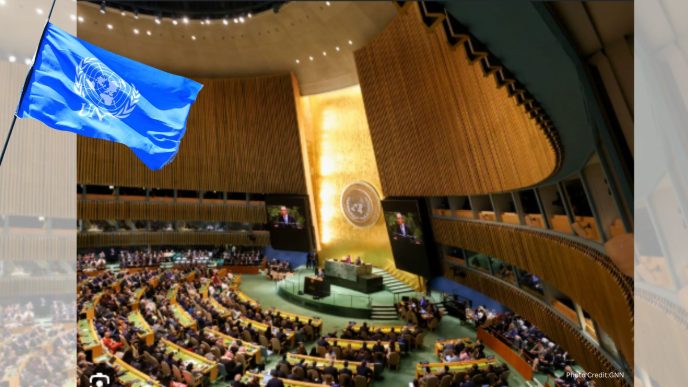
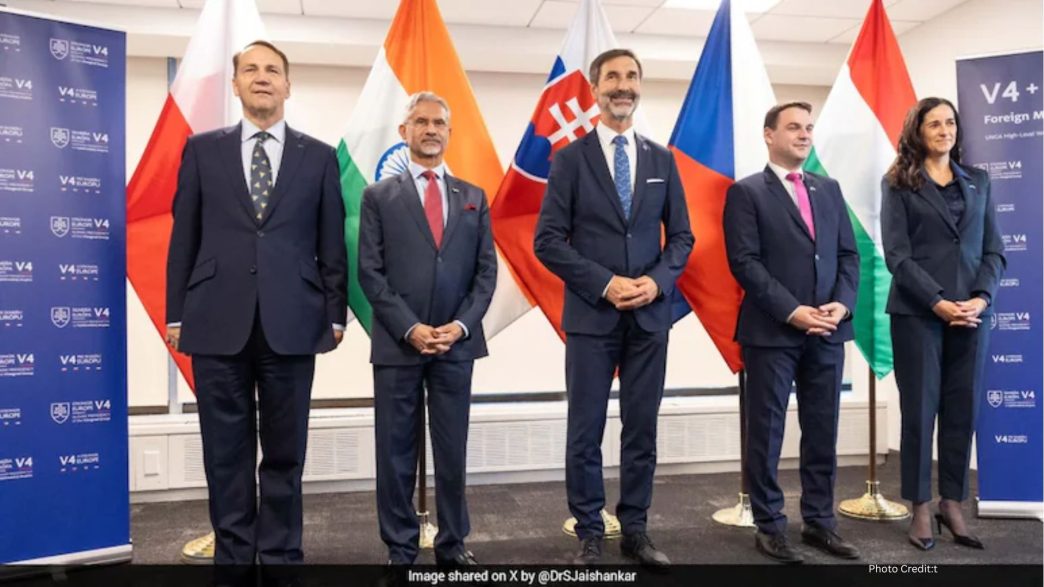
India’s pursuit of a permanent seat on the UN Security Council receives significant backing from the Visegrad Group, comprising Hungary, Poland, Slovakia, and the Czech Republic, during a pivotal meeting at the 81st UN General Assembly.
India’s longstanding aspiration for a permanent seat on the United Nations Security Council (UNSC) has gained renewed momentum following the endorsement from four Central European nations known collectively as the Visegrad Group (V4). This pivotal development took place during the inaugural V4-India meeting held in New York on September 20, 2023, alongside the 81st session of the UN General Assembly. The V4 is composed of Hungary, Poland, Slovakia, and the Czech Republic, and their collective backing represents a significant step in India’s ongoing campaign for reform within the global governance structure.
Indian External Affairs Minister S. Jaishankar characterized the meeting as a “new historic occasion,” underscoring the importance of collaboration among these nations. He announced plans for annual meetings of foreign ministers and the establishment of an annual business forum aimed at enhancing economic cooperation among the participant countries. This initiative reflects a broader strategy to deepen ties and foster multifaceted partnerships between India and the V4 nations.
Historical Context of India’s UNSC Bid
The quest for a permanent seat on the UNSC is rooted in India’s aspirations for a more representative global governance system. Since the early 1990s, India has advocated for reforms in the Council, contending that the current framework fails to adequately reflect the geopolitical dynamics of the 21st century. India’s position as one of the largest democracies and a significant player in the Global South underpins its claim for recognition alongside the five permanent members of the UNSC—namely, the United States, the United Kingdom, France, Russia, and China.
In recent years, India’s diplomatic efforts have garnered increasing international support, particularly from nations that share its vision for a multipolar world order. The backing from the V4 not only bolsters India’s position as an emerging power in global diplomacy but also highlights its growing influence in the strategically vital Indo-Pacific region, where it has been strengthening bilateral and multilateral partnerships.
Statements from V4 Leaders
Following the meeting, Jaishankar quoted Slovak Foreign Minister Juraj Blanár, who stated, “We all agree as V4 countries that India, as a part of the Global South and an upcoming superpower in the Indo-Pacific region, must be at the table as a permanent member of the UN Security Council.” This unified stance signifies a broader acknowledgment among these nations of India’s potential to impact international affairs significantly.
The Visegrad Group, established in 1991, aims to enhance cooperation in various sectors, including military, economic, cultural, and energy matters. Their support for India’s UNSC bid indicates a strategic alignment with India’s growing role in global governance and reflects the V4’s desire to diversify international alliances away from traditional power structures.
Implications for Global Governance
The backing from the V4 could have profound implications for the future of the UNSC. As global power dynamics undergo significant shifts, calls for reform within the Council have intensified. Many nations advocate for increased representation of emerging economies, and the V4’s endorsement of India emphasizes a potential shift in diplomatic alliances and a growing consensus on the necessity for a more inclusive global governance framework.
The implications of this support extend beyond diplomatic recognition. Strengthening economic partnerships, enhancing security collaborations, and promoting cultural exchanges may all benefit from this newfound solidarity among the V4 and India. Furthermore, the V4’s backing could encourage other countries to reassess their positions regarding India’s bid, potentially leading to a broader coalition advocating for UNSC reform.
Strategic Significance of the V4 Support
The V4’s endorsement of India’s bid is significant not only for diplomatic reasons but also for its strategic implications. The Visegrad Group countries, having transitioned from post-Communist states to members of the European Union, have a vested interest in promoting a multipolar world that respects the sovereignty and aspirations of emerging economies. Their support for India aligns with their broader goals of fostering regional stability and enhancing their collective influence on the global stage.
As India continues to bolster its international standing, the integration of the V4’s support could facilitate greater collaboration on pressing global issues such as climate change, security threats, and economic development. The V4 nations stand to benefit from India’s expertise and growing economic clout, particularly in areas such as technology and sustainable development.
Looking Ahead: The Path Forward for India
As the international community witnesses a rapidly changing geopolitical landscape, India’s ambition for a permanent UNSC seat is likely to remain a central focus of its foreign policy. The encouragement from the V4 nations may serve as a catalyst for further discussions on reforming the UNSC, as India aims to leverage its expanding influence both regionally and globally.
The next steps for India include not only securing additional endorsements but also engaging in dialogue with existing permanent members of the UNSC about potential reforms. Ongoing discussions may shape the future of international diplomacy, as nations strive to establish a more equitable representation within global governing bodies. As India navigates these complex dynamics, the support from the V4 could provide a crucial foundation for its aspirations to become a permanent member of the UNSC.