
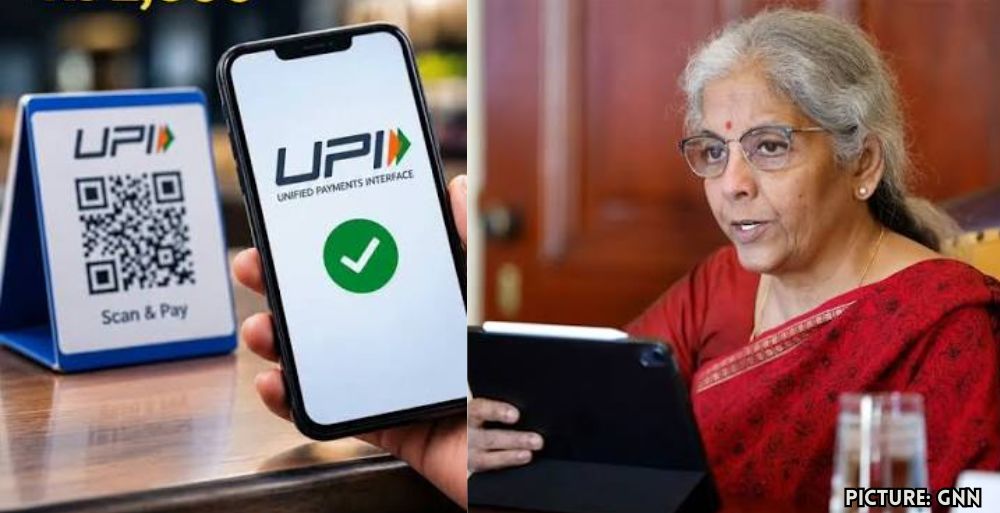
India’s Unified Payments Interface (UPI) will implement a 0.4% fee on transactions exceeding 2,000 rupees, marking the end of a six-year period of free transactions. This significant policy change aims to generate revenue for banks and payment firms while maintaining exemptions for small merchants.
NEW DELHI, Sept 15 (Reuters) – The National Payments Corporation of India (NPCI) announced on Tuesday that beginning October 15, 2025, a new fee structure will be implemented for transactions conducted through the Unified Payments Interface (UPI) network. Specifically, a 0.4% fee will be applied to merchant transactions exceeding 2,000 rupees (approximately $20), concluding a more than six-year period during which UPI transactions were free of charge. This shift is poised to influence the dynamics of digital payments in the country significantly.
During August 2025, UPI processed an estimated 24 billion transactions valued at around $311 billion, showcasing its vital role in India’s financial ecosystem. Major competitors in this space include PhonePe, backed by Walmart, and Google Pay, both of which have contributed to the rapid adoption of UPI in everyday transactions.
Details of the New Fee Structure
Under the newly established fee guidelines, specific merchant categories—including those related to railway services, telecommunications, insurance, and fuel—will incur a flat merchant discount rate (MDR) of 5 rupees for transactions. For other merchants, transactions exceeding 75,000 rupees will see fees capped at 300 rupees. The revenue generated from these fees will be distributed among multiple stakeholders in the transaction process: the largest portion will go to the bank of the person initiating the payment, while the remainder will be shared with the merchant’s bank, the payment application, and service providers involved in the transaction.
Amrish Rau, CEO of Pine Labs, underscored the necessity of this change, stating, “Sustained investment in technology, cybersecurity, fraud prevention, and reliability is required to scale UPI to 90% of all retail payments. MDR will allow for this investment.” His remarks highlight the importance of continuous funding for the technological advancements necessary to maintain and enhance the UPI infrastructure.
Consumer Protections and Exemptions for Small Merchants
Despite the potential benefits for payment firms and banks, the introduction of transaction fees has sparked concern among some stakeholders. Notably, opposition leader Rahul Gandhi criticized the government’s decision, arguing that merchants might pass these charges onto consumers, thereby increasing their financial burden. However, the federal government has clarified that UPI app providers are explicitly prohibited from imposing platform fees or hidden charges. Furthermore, banks have been instructed to ensure that merchants do not transfer the MDR costs to customers.
In an effort to protect small businesses, the NPCI has announced that merchants receiving up to 100,000 rupees in QR code payments each month will be exempt from the new MDR. This exemption aims to shield smaller merchants from the financial impact of the fees while still promoting the adoption of digital payments. Additionally, the Indian government plans to establish a dedicated fund to encourage UPI adoption among small merchants, financed by 5% of total MDR collections. This initiative is expected to be finalized in consultation with the Reserve Bank of India within the next three months.
Additional Measures for Capital Market Transactions
The NPCI’s announcement also included new fees related to capital market transactions. For payments associated with mutual funds and stock investments, fees will be set at 0.02% of the transaction value, capped at 300 rupees. This measure aims to stimulate greater retail participation in formal financial markets, which have been historically underutilized by the general population in India.
Importantly, UPI payments made to merchants via QR codes in rural and semi-urban regions will remain exempt from any fees, a measure designed to bolster the digital payment infrastructure in less urbanized areas and support financial inclusion initiatives.
Implications for the Future of Digital Payments in India
This strategic shift in the fee structure for UPI transactions signifies a pivotal moment in India’s digital payment landscape. The UPI platform has already revolutionized payment processing in the country, significantly enhancing convenience and accessibility for millions of consumers and businesses alike. As India continues to aim for broader digital payment penetration, the introduction of these fees is anticipated to bolster the resilience of the payment infrastructure, ensuring its sustainability in the long term.
Industry stakeholders, consumers, and policymakers will be closely monitoring the consequences of these new fees as they unfold. The long-term impacts on consumer behavior, merchant adoption, and the overall growth of digital financial services in India will be critical in shaping the future of this rapidly evolving sector.