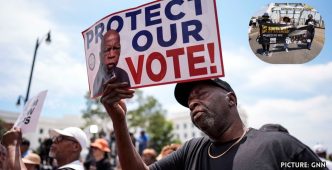
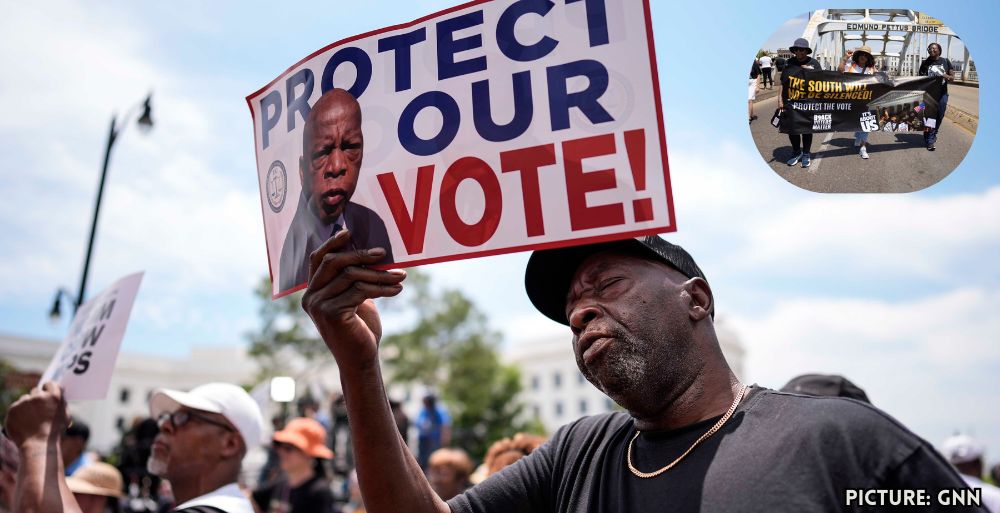
In Alabama, civil liberties organizations have initiated a lawsuit against the state’s recently enacted voting law, arguing that it disproportionately impacts minority voters and raises serious questions regarding compliance with federal voting rights protections.
Alabama’s civil liberties organizations, including the American Civil Liberties Union (ACLU) and the NAACP, have formally filed a lawsuit challenging the legality of a new voting law enacted by the state legislature. This legal action, initiated on March 15, 2023, in the U.S. District Court for the Northern District of Alabama, comes amid growing concerns that the law imposes significant barriers to voting for minority populations. The plaintiffs contend that the legislation violates core tenets of the Voting Rights Act of 1965, which was designed to protect the voting rights of all citizens, particularly those from historically marginalized communities.
Overview of the Voting Legislation
The controversial voting law was passed during the Alabama Legislature’s 2023 session, which concluded in late April. Proponents of the legislation argue that it is essential for ensuring the integrity of elections and preventing voter fraud, a claim that remains contentious and largely unsubstantiated. Critics, however, assert that the law systematically disenfranchises voters, especially in communities of color. Key provisions of the law include stricter identification requirements for voters, limitations on absentee voting, and the elimination of same-day voter registration. These measures have raised alarm, particularly since a report from the Alabama Secretary of State’s office indicates that approximately 30% of voters in predominantly Black counties lack the necessary form of identification.
Legal Challenges and Arguments
The plaintiffs in the lawsuit argue that the new law disproportionately impacts minority voters, violating the equal protection clause of the Fourteenth Amendment and the Voting Rights Act. By imposing stricter voting requirements, they claim, the law could lead to a significant decrease in voter turnout among already underrepresented populations. Past election data supports these concerns: in the last electoral cycle, voter turnout in predominantly Black areas was recorded at approximately 45%, compared to 65% in predominantly white districts.
“This law is a direct attack on the rights of our communities to participate in the democratic process,” stated a spokesperson for the ACLU of Alabama during the press conference unveiling the lawsuit. “We cannot allow these discriminatory practices to go unchecked.” This sentiment reflects a broader concern among civil rights advocates that the current legislative landscape may be reverting to practices that suppress minority voting rights.
Historical Context of Voting Rights in Alabama
The Voting Rights Act of 1965 was a landmark piece of federal legislation aimed at eliminating racial discrimination in voting, particularly in southern states like Alabama, which historically employed various tactics to disenfranchise Black voters, including literacy tests and poll taxes. However, the Supreme Court’s 2013 decision in Shelby County v. Holder invalidated key provisions of the Act, removing federal oversight of state voting laws. Critics argue this ruling has allowed states to enact laws that can disenfranchise voters without accountability.
In the wake of Shelby County, Alabama has seen a growing trend of legislation that civil liberties advocates contend disproportionately affects minority voters. The current lawsuit is part of a broader response by civil rights organizations to combat what they perceive as a resurgence of voter suppression tactics across the country.
Political Landscape and Reactions
The political environment surrounding voting rights in Alabama remains highly polarized. Supporters of the new law, including Governor Kay Ivey, argue that the measures are vital for maintaining electoral integrity. “We must ensure that every vote is counted accurately and that the system is not subject to fraud,” Ivey remarked in a press release following the law’s passage.
Conversely, opponents of the law are mobilizing to galvanize public opinion against these legislative changes. Advocacy groups are ramping up public education campaigns aimed at informing voters about their rights and the potential impacts of the new law. These efforts are particularly focused on ensuring that all eligible voters are aware of the requirements and can participate in the upcoming election scheduled for November 2024.
Next Steps in the Legal Proceedings
The lawsuit is expected to progress swiftly through the courts, with both sides preparing for a potentially prolonged legal battle. The plaintiffs are seeking a preliminary injunction to halt the enforcement of the law while the case is being argued in court. Legal experts suggest that the outcome of this case could have far-reaching implications not only for voting rights in Alabama but also for similar legal challenges across the nation.
As the legal proceedings unfold, the broader implications of this case highlight ongoing national debates surrounding voting access, election security, and racial equity in electoral processes. The stakes are high, with the potential for the ruling to influence legislative efforts and judicial interpretations of voting rights in other states dealing with similar issues. The outcome may set a precedent that could either reinforce or challenge the recent trend of voting restrictions that civil liberties organizations have been actively contesting.