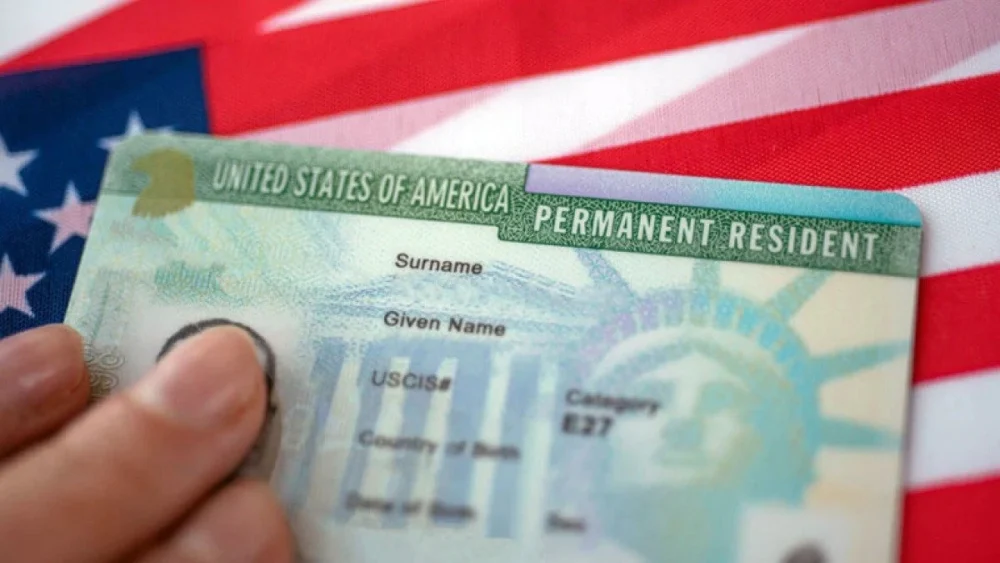
The US Department of Labour has suspended Cognizant’s ability to file for new green card sponsorship amid an investigation into alleged visa fraud, highlighting increasing scrutiny on tech firms’ employment practices.
Washington – The US Department of Labour announced on Tuesday that it has suspended Cognizant Technology Solutions’ ability to file for new green card sponsorships, a decision that comes amid an ongoing investigation into alleged visa fraud involving the company. Founded in Chennai in 1994 and now headquartered in the United States, Cognizant is a significant player in the technology sector and one of the largest petitioners for H-1B visas in the country.
In a statement made on X, formerly known as Twitter, Labour Department Inspector General Anthony D’Esposito underscored that “threats to American workers will NOT be tolerated.” He also noted that Cloudera, another technology firm, has faced similar suspensions regarding its Permanent Labor Certification (PERM) filings as part of the same enforcement actions. The PERM process is a crucial step that US employers must complete before sponsoring foreign workers for employment-based green cards. This procedure requires employers to demonstrate that they are offering the prevailing wage for the job and to advertise the position domestically to attract potential American applicants.
Details of the Suspension
The suspension of Cognizant’s PERM filings means that the company will be unable to sponsor new foreign workers for green cards until the investigation is concluded. This action reflects the increasing scrutiny by the US government on companies that utilize the H-1B visa program, which has become a focal point of debate regarding immigration and labor practices in the technology sector.
According to data from the US Citizenship and Immigration Services (USCIS), Cognizant received 3,510 approved H-1B visa petitions in fiscal year 2026, placing it sixth among US employers. This ranking puts Cognizant behind major corporations such as Amazon, Tata Consultancy Services (TCS), Infosys, Apple, and Microsoft. The significant use of the H-1B visa program by Cognizant has drawn attention, particularly in light of allegations that some firms may be exploiting the system to undercut American wages and hire foreign workers.
Background on Regulatory Actions
Inspector General D’Esposito had previously indicated that regulatory action against Cognizant might be forthcoming. In response to anonymous complaints on social media alleging visa abuse by the company, D’Esposito suggested that users “stay tuned” for updates regarding the investigation. This forewarning underscores the heightened vigilance from the Labour Department against potential abuses within the H-1B visa program.
The scrutiny of Cognizant and similar companies aligns with broader immigration enforcement initiatives established during the Trump administration, particularly with the launch of “Project Firewall” in September 2022. This program was designed to target employers suspected of abusing the H-1B visa system, a move that has garnered mixed reactions across the political spectrum. Proponents argue that it is necessary to protect American jobs, while critics contend that it may hinder the ability of companies to attract global talent essential for innovation.
Implications for the Tech Industry
The suspension of green card sponsorships for a major technology firm like Cognizant raises several concerns regarding the broader tech industry and its reliance on foreign talent. As scrutiny intensifies, companies may need to reassess their hiring practices and compliance with immigration laws to avoid similar repercussions. The inability to sponsor green cards could significantly impact Cognizant’s operational capabilities, as well as its ability to attract and retain skilled workers from abroad.
The ongoing investigation and its outcomes may also influence policy discussions surrounding immigration reform, particularly in the context of the tech workforce. As the labor market evolves and the demand for skilled workers continues to grow, the balancing act between protecting American workers and facilitating access to international talent remains a contentious issue. The tech industry has long argued that it requires a diverse workforce to maintain its competitive edge, and restrictions on visa sponsorship could stifle innovation and slow down critical projects.
Broader Impact on Immigration Policies
While the suspension currently affects only Cognizant and Cloudera, it signals a potential shift in how the US government may regulate the employment practices of tech firms moving forward. As the situation unfolds, industry stakeholders will be closely monitoring developments to assess the impact on hiring practices and the availability of skilled workers. The response from the tech industry, especially among firms heavily reliant on H-1B visa holders, will be crucial in shaping future immigration policies and enforcement practices.
In light of these changes, companies may need to enhance their compliance frameworks and ensure that their hiring practices align with the evolving regulatory landscape. Failure to do so could result in further suspensions or penalties, which might disrupt their workforce planning and operational strategies. As the US government continues to scrutinize visa applications and employment practices, organizations must remain vigilant and proactive in adhering to immigration laws to avoid potential repercussions.
In conclusion, the suspension of Cognizant’s green card sponsorship capabilities marks a significant development in the ongoing scrutiny over the H-1B visa program and its associated employment practices. As the investigation proceeds, the tech industry is likely to feel the ripple effects, prompting a reevaluation of hiring strategies and compliance with labor laws.