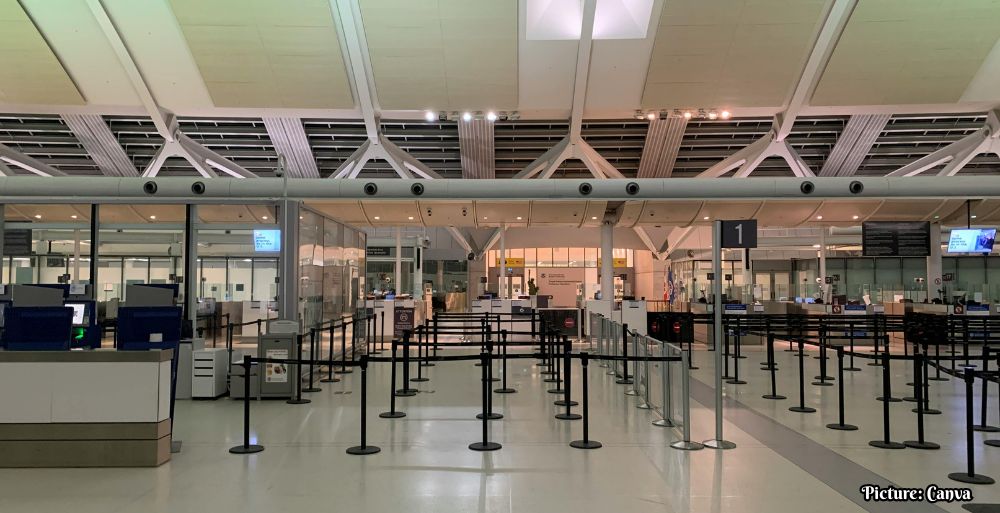
The Transportation Security Administration has initiated a program permitting eligible TSA PreCheck members without tickets to access airport gate areas, reviving a practice largely discontinued since the 9/11 attacks.
LAS VEGAS (AP) — The Transportation Security Administration (TSA) has unveiled a new initiative that permits select individuals without airline tickets to enter secure areas of U.S. airports. This program, named “Gateside by TSA PreCheck,” aims to enhance the travel experience by allowing eligible TSA PreCheck members to accompany family and friends to airport gates. The policy marks a significant shift in airport access that has been largely absent since the September 11 attacks, which prompted extensive changes in airport security protocols.
Program Overview and Application Process
Under the Gateside program, TSA PreCheck members can apply online between one to three days prior to their intended visits. Interested individuals must receive approval from the TSA before they can access secure areas of the airport. Once approved, participants can enter through designated TSA PreCheck lanes, provided they present an acceptable form of identification. The access pass is valid for one calendar day, allowing re-entries on the same day.
The TSA has noted that members of other trusted-traveler programs, including Global Entry and NEXUS, who possess a Known Traveler Number, can also apply for access to the gates. This initiative is part of the TSA’s broader effort to streamline travel for low-risk passengers while maintaining security standards.
Participating Airports and Future Expansion
The Gateside program is currently operational at 13 major airports across the United States. Among these are:
- Los Angeles International Airport (LAX)
- Dallas-Fort Worth International Airport (DFW)
- Harry Reid International Airport in Las Vegas (LAS)
- Salt Lake City International Airport (SLC)
The TSA has indicated intentions to expand the program to additional airports in the coming months, reflecting a commitment to improving the passenger experience and adapting to evolving traveler needs.
Historical Context of Airport Access
Before the tragic events of September 11, 2001, it was a common practice for individuals without tickets to accompany ticketed passengers through security checkpoints and into the gated areas. This allowed families and friends to share emotional send-offs and reunions. However, the 9/11 attacks led to a reevaluation of security measures at airports nationwide. Stricter regulations were implemented, resulting in significant limitations on non-travelers’ access to secure areas of airports. As a consequence, many personal interactions were curtailed, and emotional goodbyes shifted to outside the security perimeter.
The introduction of the Gateside program represents a notable departure from these post-9/11 security protocols. It acknowledges the importance of maintaining personal connections during travel while also addressing public sentiment that has evolved over the past two decades regarding security measures in airports.
Implications for Travelers and Airport Operations
The reinstatement of non-ticketed access to airport gates has several potential implications for both passengers and airport operations. For many travelers, the ability to accompany loved ones to their gates can enhance the emotional aspect of flying, fostering a sense of connection that has been largely absent since the 9/11 security overhaul. Additionally, this program could stimulate economic activity within airports, as non-travelers may frequent shops and restaurants located within the secured areas, thereby increasing revenue for airport vendors.
Reactions from travelers to the program have been predominantly positive. Many have expressed excitement at the prospect of being able to see their friends and family off at the gate, a privilege that has not been available for over two decades. However, security experts have raised concerns that increased access to secure areas could introduce challenges to existing airport security protocols. The TSA will need to exercise vigilance and monitor the program’s implementation closely to ensure that it does not compromise safety standards while still providing a valued service to travelers.
Looking Forward: The Future of Airport Security and Access
As the TSA progresses with the Gateside program, it will be essential for the agency to maintain transparency regarding the security measures in place and the effectiveness of the program. Feedback from passengers, airport staff, and security experts will play a critical role in shaping the future of this initiative. The TSA’s ability to adapt to the needs of modern travelers while upholding stringent security measures will be a key factor in determining whether the Gateside program becomes a permanent feature of the air travel landscape.
Ultimately, the introduction of the Gateside program reflects an evolving understanding of the balance between security and the personal connections that air travel facilitates. As the program expands, its success could herald a new era of airport access policies that respect the emotional dimensions of travel while ensuring safety remains paramount.