The Onam festival, celebrated in Kerala during the month of Chingam, embodies the values of equality, prosperity, and community, highlighted by vibrant cultural activities and traditional feasting.
Onam, the grand harvest festival of Kerala, unfolds annually in the month of Chingam, marking the commencement of the Malayalam calendar. This 10-day celebration, which was officially declared the state festival of Kerala in 1961, is steeped in the legend of King Mahabali. According to tradition, Mahabali, a benevolent ruler, returns to earth during this time to visit his subjects. The festival transcends its agricultural roots, symbolizing ideals of equality, honesty, prosperity, dignity, and peace, which are emblematic of Mahabali’s reign.
Historical and Cultural Significance
The festivities of Onam begin with Athachamayam, a vibrant cultural procession that showcases Kerala’s rich traditions. This event includes colorful floats, traditional music, and dance performances that reflect the diversity of the region’s cultural heritage. Over the course of the ten days, Kerala transforms into a hub of celebration, with various activities that spotlight the best of Malayali customs.
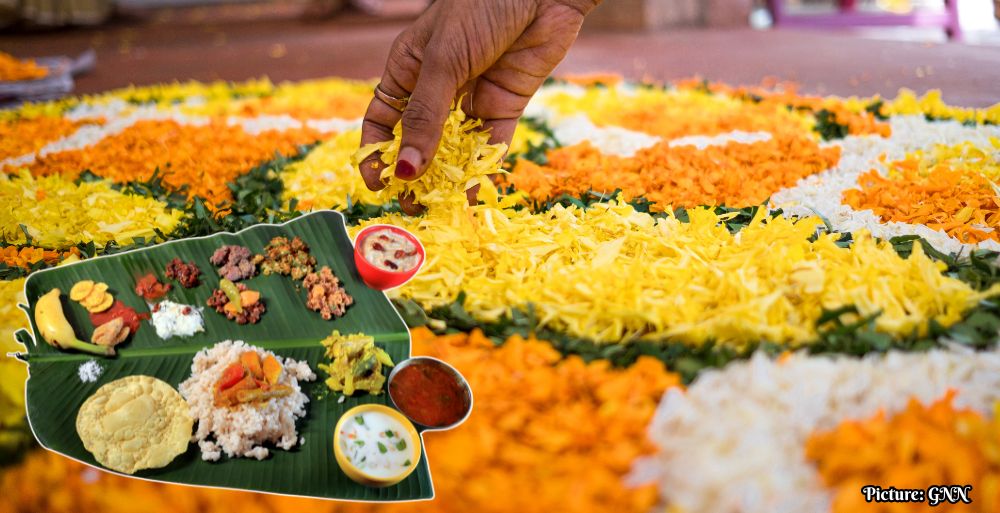
Among the most iconic elements of Onam are the intricately designed Pookalams, or floral carpets, which are crafted from a variety of flowers and placed at the entrances of homes and public spaces. These floral designs symbolize welcome and abundance, serving as a visual representation of the festival’s spirit. Additionally, traditional snake boat races, which attract numerous spectators, are held in various waterways, showcasing the skill and teamwork of the rowers.
The festival also features graceful performances of folk dances such as Kaikottikali, where women dance in circles, clapping their hands in rhythm to the beat of traditional music. At the heart of the celebrations lies the Onasadya feast, a lavish vegetarian meal served on a banana leaf, which consists of 23 to 26 dishes that exemplify the agricultural bounty of the region. This elaborate meal includes staples such as Matta rice, Parippu curry, Sambhar, Moru, Rasam, Nendran chips, Inji Puli, Mango pickle, Thoran, Kalan, Olan, and Kootu, reflecting the diversity and richness of Kerala’s cuisine.
Culinary Highlights
Culinary traditions play a pivotal role in the Onam celebrations, with families often preparing traditional dishes that have been passed down through generations. One cherished dish is Coconut Payasam, also known as Arisi Thengai Payasam, a beloved South Indian dessert. The recipe for this dish, shared by Chitra of ChitrasFoodBook.com, highlights the integral role of coconut and jaggery in Kerala’s culinary practices. The preparation involves soaking and grinding raw rice and coconut, cooking the mixture with water, and sweetening it with jaggery syrup, culminating in a rich and creamy dessert that is a staple during the festival.
Another traditional dish featured during Onam is Green Mung Bean Thoran, prepared by Chef Karan Francis Manavalan, the owner of Chakos in Goa. This dish exemplifies the use of local ingredients and flavors, as it combines green mung dal with spices, coconut oil, and fresh curry leaves. The preparation method includes cooking the mung dal in a pressure cooker and then sautéing it with onions and grated coconut, resulting in a dish that pairs beautifully with the Onasadya.
Community and Togetherness
The essence of Onam extends beyond food and festivities; it embodies the spirit of community and togetherness. Families gather to celebrate, reinforcing social bonds and cultural ties. The festival serves as a reminder of the importance of unity and harmony among people, transcending barriers of caste, creed, and economic status. This communal aspect is particularly significant given the diverse demographics of Kerala, where various communities come together to celebrate shared values.
As the celebrations culminate on the auspicious day of Thiruvonam, the collective joy and festive spirit of the people of Kerala shine through, exemplifying the rich cultural tapestry of the state. Onam is not merely a harvest festival; it represents a celebration of life, a tribute to the land’s heritage, and an affirmation of the values that define the Malayali identity.
Conclusion: A Cultural Reflection
In conclusion, Onam stands as a testament to the vibrant cultural heritage of Kerala, showcasing the region’s rich traditions and communal spirit. The festival’s emphasis on equality, honesty, and prosperity resonates deeply with the values upheld by King Mahabali, making it a cherished occasion for Keralites around the world. As communities come together to celebrate, the festival not only reinforces social bonds but also highlights the importance of preserving cultural practices that have been passed down through generations. The Onasadya feast, the colorful Pookalams, and the lively cultural performances all contribute to a rich narrative that continues to inspire and unite people in celebration of their shared heritage.