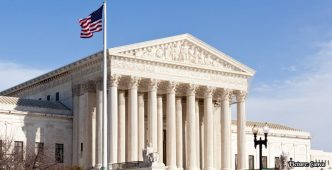
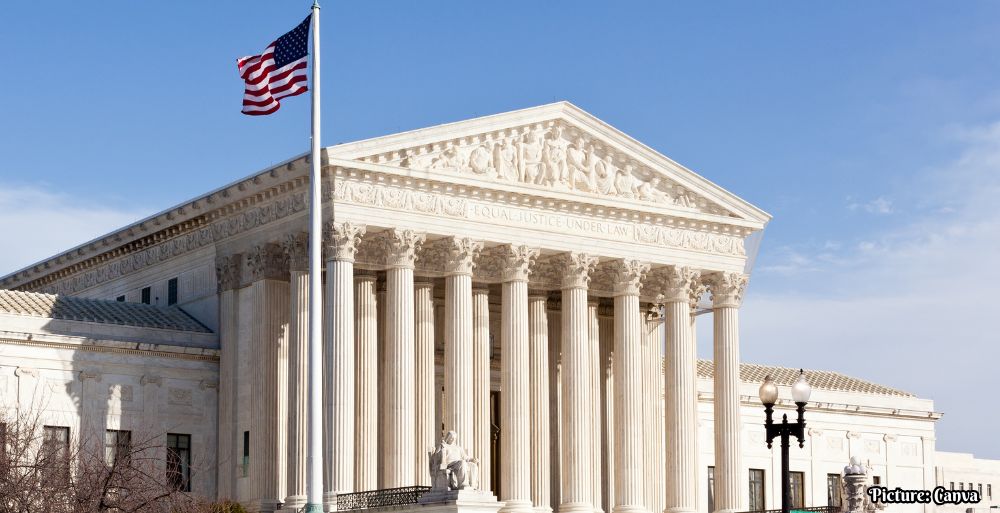
The Supreme Court’s decision to lift a block on President Trump’s executive order regarding mail voting has significant implications for upcoming elections, particularly concerning the legality and administration of mail-in ballots.
The United States Supreme Court issued a ruling on Monday that lifts a lower court’s injunction against President Donald Trump’s executive order concerning mail voting requirements. This decision potentially enables the Trump administration to implement new regulations for mail-in ballots ahead of the November midterm elections, a development that has raised concerns among several state officials and voting rights advocates.
The Supreme Court’s ruling came as a response to an appeal from the Trump administration following a decision by U.S. District Judge Indira Talwani, who had previously blocked the executive order. The Court articulated that the lower court lacked the authority to intervene at this juncture, emphasizing that federal courts typically review final rules rather than proposed directives. The Court stated, “Federal courts review final rules, not proposed rules—and certainly not antecedent internal directives to propose a rule. If the Postal Service’s final rule harms the States, they may challenge that rule.”
Context and Implications of the Ruling
This ruling is particularly significant as it arrives just weeks before the midterm elections in November, during which mail-in voting is expected to play a crucial role in determining electoral outcomes. The U.S. Postal Service (USPS) had announced its final regulation regarding mail ballots just days prior to the Supreme Court’s decision, prompting the states involved in the lawsuit to expedite their legal strategies against the new policy.
A coalition led by California, Massachusetts, Nevada, and Washington was at the forefront of the lawsuit, which includes a total of 23 states and the District of Columbia. These states contend that the new mail-in voting standards could aggravate voter confusion and disenfranchisement, particularly among individuals with disabilities and those residing in rural areas. They argue that implementing such measures without thorough judicial review is imprudent given the potential for widespread errors and the limited time frame available to rectify issues before the elections.
Justices Sonia Sotomayor and Elena Kagan, in dissent, expressed concerns about the ramifications of the Court’s ruling. They noted, “Today’s decision does not address whether the President’s attempts to interfere with States’ administration of the November 2026 elections are lawful. Nor does it suggest that the Executive Branch has any constitutional or statutory authority to implement the President’s directives. Instead, today’s decision merely postpones adjudication of those challenges.” This dissent highlights the ongoing tension between federal directives and state control over election administration.
Background of the Executive Order
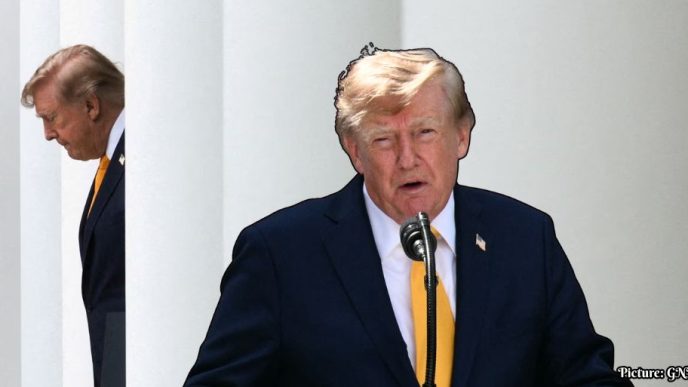
The executive order in question was signed by President Trump in March 2026 and directed his administration to compile a list of verified citizens who are eligible to vote while mandating that USPS implement new standards for mail ballots. This action is part of Trump’s broader campaign against mail-in voting, which he has alleged leads to widespread election fraud. Although some instances of voter fraud have been documented, they have not occurred at the scale suggested by the President.
The Trump administration’s appeal to the Supreme Court was premised on the assertion that Judge Talwani intervened too early, as the USPS had yet to implement the new mail ballot standards when she issued her injunction. Solicitor General D. John Sauer argued that the issuance of a final rule necessitated relief from what he characterized as an “improper, unripe injunction.” This argument underscores the administration’s position that the judicial branch should not interfere with executive actions until they are fully realized.
Future Legal Proceedings
Following the Supreme Court’s ruling, the case will revert to the lower courts for further examination. Judge Talwani has indicated a swift timeline to evaluate the legality of the USPS’s new regulations. Notably, she had previously issued a nationwide block on Trump’s executive order in response to a separate lawsuit filed by private groups. This history of judicial scrutiny reflects the contentious nature of current electoral policies and the balancing act that courts must perform when adjudicating cases involving election laws.
The ruling marks a significant victory for the Trump administration within the Supreme Court’s emergency docket, which typically addresses urgent matters on a compressed timeline without oral arguments. The administration’s ability to navigate this complex legal landscape highlights the ongoing debates surrounding election law, particularly in relation to mail voting, which has become a focal point of political contention in recent years.
As the midterm elections approach, the implications of this ruling are being closely monitored by both supporters and opponents of the new mail voting standards. The outcome of this legal struggle could not only influence the immediate electoral landscape but also set important precedents for future election-related policies and judicial interpretations. With voting rights advocates expressing concern over potential disenfranchisement, the stakes are high as the nation prepares for what could be a contentious election cycle.