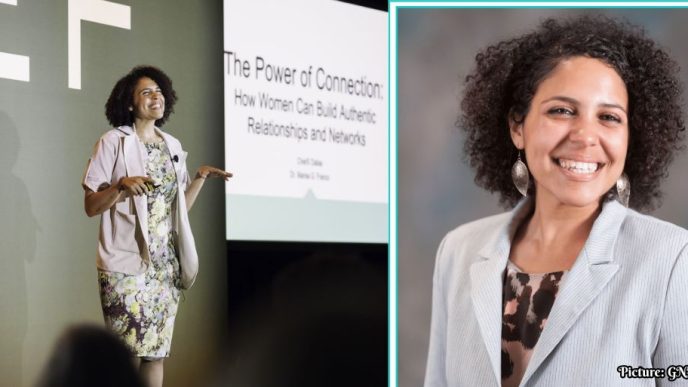
In a contemporary parenting landscape often dominated by messages of limitless potential, psychologist Juli Fraga emphasizes the necessity of realistic encouragement for children, advocating for a focus on resilience, patience, and the intrinsic value of effort over mere outcomes.
In a recent discourse on effective parenting, Juli Fraga, a licensed psychologist with over 20 years of experience, challenges the prevalent notion that children can achieve anything if they simply put their minds to it. Fraga argues that this common encouragement can inadvertently set children up for disappointment and foster a reliance on external validation. Instead, she proposes a more grounded approach that instills resilience and realistic expectations in children as they navigate their developmental journeys.
The Psychology of Encouragement
Fraga’s insights stem from her extensive work with parents, where she has observed the psychological impacts of well-intentioned but potentially misleading parental advice. She notes, “Most of the time, parents do not realize they are relaying a false message,” which highlights a significant gap in parental understanding about the implications of their encouragement. This perspective aligns with a growing body of research that suggests overly optimistic messaging can contribute to anxiety and low self-esteem in children, especially when they encounter challenges that contradict these messages.
One of the fundamental issues identified by Fraga is the reinforcement of what she terms “external motivation.” When children are conditioned to believe that success is solely the product of hard work, they may become overly focused on external rewards, such as praise, grades, or trophies. This approach often detracts from developing intrinsic motivation—an essential factor for sustained engagement and enjoyment in various activities. Fraga emphasizes that while it is important to encourage children, it is equally vital to balance that encouragement with a realistic understanding of achievement.
Five Alternative Phrases for Parents
To cultivate a healthier mindset among children, Fraga suggests five alternative phrases that parents can embrace:
- “Try new things, even if it feels scary.” Fraga encourages parents to help children recognize and verbalize their fears about new challenges, whether it be riding a bike, auditioning for a play, or applying for college. By normalizing feelings of fear and anxiety, parents can provide emotional attunement, reinforcing that it is acceptable to feel apprehensive in the face of new experiences.
- “Sometimes, it takes time for hard work to pay off.” In an age where social media often glorifies instant success, Fraga stresses the importance of cultivating a “growth mindset.” This perspective fosters an understanding that hard work is an investment that may not yield immediate results, encouraging children to persist through difficulties and appreciate gradual improvement.
- “Disappointment is a learning opportunity.” Children often idolize successful figures and aspire to lofty goals without fully grasping the challenges involved. Fraga advocates for reframing disappointment as a valuable learning experience, a perspective that can help children develop resilience and a willingness to persevere in the face of setbacks.
- “If you put your mind to it, you can keep going.” While tenacity does not guarantee success, it is essential for cultivating psychological traits such as self-discipline, optimism, and empathy. By emphasizing perseverance, parents can help children build a strong foundation for their mental health as they transition into adolescence and adulthood.
- “You won’t be good at everything, and that’s OK.” Fraga argues that acknowledging a child’s limitations can empower them to set realistic goals, ultimately fostering a sense of capability and reducing the likelihood of developing outsized expectations of themselves and others.
Long-Term Implications for Parenting
Fraga’s recommendations resonate with broader discussions in the field of psychology regarding the evolving dynamics of parent-child relationships. The pressure to succeed can lead to increased anxiety and diminished self-worth among children, particularly when their experiences conflict with the overly optimistic narratives they receive from their parents. By providing realistic guidance and support, parents can assist their children in navigating the complexities of growth and achievement while fostering a healthier self-image.
Moreover, Fraga emphasizes the importance of sharing personal experiences of disappointment with children. By doing so, parents can bridge the generational gap, illustrating that struggles and setbacks are a universal part of life. This approach not only humanizes the parental role but also creates an environment where children feel understood and supported in their endeavors.
Conclusion
As parents continue to seek effective methods to motivate their children, Fraga’s insights offer a roadmap to more compassionate and effective parenting. By prioritizing emotional attunement, resilience, and realistic expectations, families can cultivate a healthier understanding of success—one that values the process of growth and the lessons learned along the way. Fraga’s work underscores the critical shift needed in parenting approaches, moving away from unrealistic ideals and towards a more grounded, supportive framework that acknowledges the complexities of achievement and personal development.
Fraga is also a co-author of the book “Parents Have Feelings, Too” and teaches workshops for expectant parents at the University of California, San Francisco, where she supervises psychiatry residents. Her insights contribute to an ongoing dialogue about modern parenting practices and their psychological implications, advocating for a more nuanced understanding of encouragement in raising resilient, self-aware children.