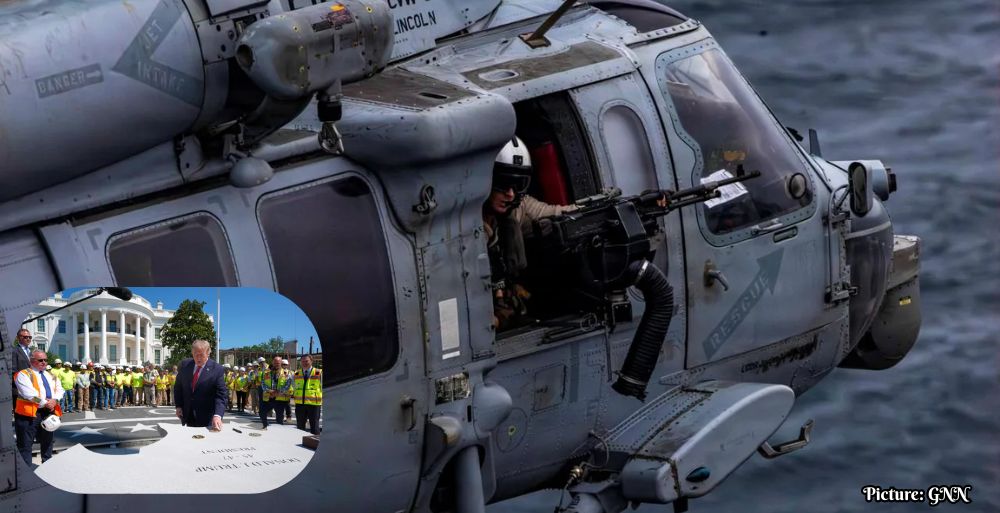
This week, the Pentagon announced that over 750 U.S. service members have sustained injuries since hostilities with Iran began in late February 2026, with updated casualty figures citing a total of 774 killed or injured.
The Pentagon disclosed on Wednesday that more than 750 U.S. service members have been wounded since the outbreak of hostilities with Iran in late February 2026. The latest figures reveal that a total of 756 service members have been injured in action, following an update that accounted for an additional 50 injuries. The conflict has also resulted in the deaths of 18 service members, bringing the overall number of casualties—killed and injured—to 774.
Context of the Conflict
The military engagement, officially designated as Operation Epic Fury, escalated following the United States’ decision to resume airstrikes against Iran on July 7, 2026. This military response was triggered by Iran’s alleged attacks on commercial shipping vessels in the strategically crucial Strait of Hormuz, a vital waterway through which a significant portion of the world’s oil supply is transported. The Pentagon’s establishment of an “Overseas Operations” section to categorize casualties related to this conflict coincided with the onset of renewed military activities.
In a formal notification to Congress, President Donald Trump informed lawmakers about the resumption of hostilities, which granted U.S. forces in the Central Command theater an additional 60 days to conduct military operations under the oversight of Congress. This development occurred amid heightened tensions in the region, particularly concerning Iran’s maritime activities and its implications for global shipping and energy markets.
Controversy Surrounding Casualty Reporting
The Pentagon has faced criticism from various media outlets and Democratic lawmakers regarding its casualty reporting practices. Previous updates to the Defense Casualty Analysis System (DCAS) had shown a decrease in reported casualties, raising concerns about the transparency and accuracy of the data being provided. The recent updates were intended to rectify these discrepancies and offer a clearer picture of the human toll associated with the ongoing conflict.
Critics have argued that inconsistent reporting can undermine public trust and accountability regarding military engagements. The ongoing scrutiny reflects a broader concern among congressional leaders about the administration’s military strategy and its implications for U.S. service members deployed in harm’s way.
Economic Warfare Against Iran
Alongside the military developments, President Trump announced earlier this week the initiation of what he labeled the “MOST CRUSHING ECONOMIC OPERATION EVER” against Iran. This announcement comes in the context of stalled diplomatic negotiations aimed at addressing the situation in the Strait of Hormuz, particularly between Iran and Oman, as efforts to reopen the critical waterway have not yielded progress.
The President characterized the economic measures as “Economic Warfare and Isolation on an unprecedented scale,” signaling a shift toward more aggressive sanctions and economic pressure on Iran. These measures are expected to target key sectors of the Iranian economy, including oil exports, which are vital for the country’s financial stability.
Implications for U.S. Foreign Policy
The ongoing conflict and the Pentagon’s updated casualty figures serve as a stark reminder of the human costs associated with military engagements and economic sanctions. As U.S. military operations continue and sanctions intensify, the implications for U.S. foreign policy and military strategy in the Middle East are significant.
Lawmakers, analysts, and the public are closely monitoring developments as the situation unfolds. The administration’s approach to Iran raises questions about long-term military commitments and the effectiveness of economic sanctions as tools for achieving foreign policy objectives. The evolving dynamics in the region, particularly with respect to Iran’s response to U.S. actions, will be critical in shaping future U.S. military and diplomatic strategies.
As the conflict progresses, the need for transparency in casualty reporting and accountability for military engagements remains a paramount concern for lawmakers and citizens alike. The Pentagon’s latest figures highlight the urgent need for dialogue and resolution to prevent further loss of life and to stabilize the region.
Future Considerations
In the wake of increasing casualties and economic sanctions, the U.S. administration faces mounting pressure to reassess its strategies in the region. Analysts note that prolonged military engagement could strain U.S. resources and complicate diplomatic relations with both allies and adversaries. The potential for escalation remains a significant concern, as Iran has vowed to retaliate against U.S. interests in the region.
Furthermore, the ongoing conflict adds another layer of complexity to U.S. relations with its allies, particularly those dependent on stability in the Persian Gulf for energy supplies. As the situation develops, it will be essential for U.S. policymakers to balance military objectives with diplomatic efforts to ensure that the conflict does not spiral further out of control.
As the U.S. navigates this multifaceted crisis, the importance of clear communication with both the public and Congress cannot be overstated. The administration’s ability to convey its strategic objectives and the rationale behind its actions will play a critical role in shaping public perception and support for ongoing military operations in the region.