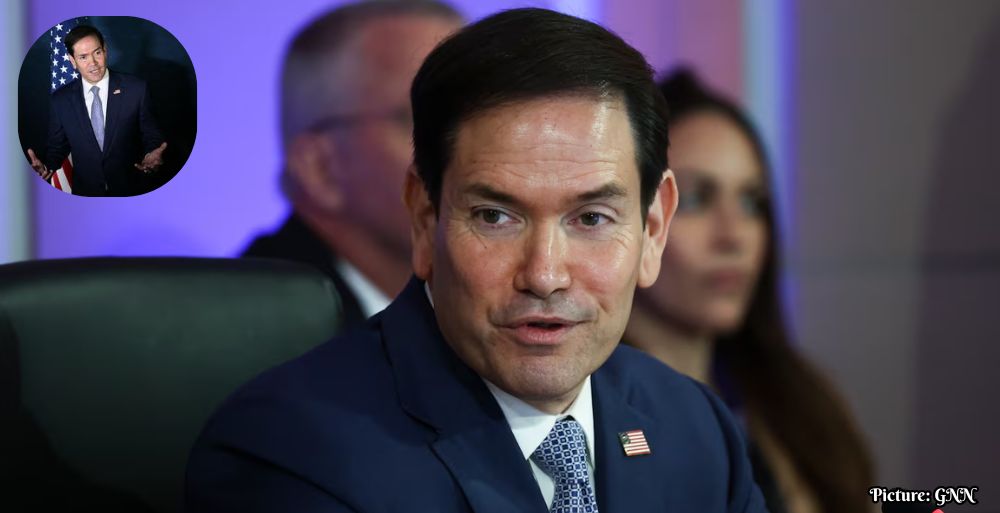
Secretary of State Marco Rubio has announced sanctions against Tomoko Akane, president of the International Criminal Court, and senior trial lawyer Abdoulaye Seye, escalating tensions between the Trump administration, the ICC, and international human rights advocates.
On Tuesday, Secretary of State Marco Rubio announced sanctions targeting Tomoko Akane, the president of the International Criminal Court (ICC), and senior trial lawyer Abdoulaye Seye. This action marks a significant escalation in the ongoing conflict between the Trump administration, the ICC, and various international human rights organizations. Rubio characterized the sanctions as part of an effort to protect Americans from what he referred to as a “sham of a court.”
The ICC, established by the Rome Statute in 2002, is designed to prosecute individuals for crimes such as genocide, war crimes, and crimes against humanity. The United States, however, is not a signatory to the Rome Statute and has historically refrained from engaging with the court. This non-participation has become increasingly contentious, particularly as the ICC has moved to investigate U.S. military actions in Afghanistan and has issued arrest warrants for Israeli officials in connection with the ongoing conflict in Gaza.
Details of the Sanctions
The sanctions imposed on Akane and Seye prohibit American citizens from conducting any transactions with them, with potential legal repercussions for violations. Furthermore, the sanctions restrict their access to the U.S. financial system, effectively isolating them economically. Rubio stated that these individuals have been directly involved in efforts to investigate, arrest, detain, or prosecute government officials from nations that have not consented to ICC jurisdiction. This reflects a broader strategy by the Trump administration to undermine the ICC’s authority and operations.
Rubio’s comments underscore a firm stance against the ICC, which has been increasingly viewed by some U.S. officials as an institution that threatens American sovereignty. He has also urged allied nations to sever ties with the ICC, indicating a coordinated effort to diminish the court’s influence on international legal matters.
ICC’s Response
The ICC responded swiftly to the sanctions, issuing a statement asserting that measures targeting judges, prosecutors, and court personnel threaten the integrity of international law and the rule of law itself. The court emphasized that “when judicial actors are threatened for applying the law, it is the international legal order itself that is placed at risk.”
Reaffirming its commitment to its mission, the ICC stated that it remains “undeterred” and will continue to support victims of international crimes. An official ICC statement providing further details on its position regarding the sanctions is anticipated to be released shortly.
Broader Context and Implications
The recent sanctions align with a series of aggressive measures taken by the Trump administration against ICC officials. Last month, Rubio proclaimed an intention to dismantle the court “brick by brick,” which could involve travel bans, visa revocations, and increased diplomatic pressure on allied nations to withdraw support from the ICC. This approach has been fueled by the court’s actions, including the issuance of arrest warrants for Israeli Prime Minister Benjamin Netanyahu and former Defense Minister Yoav Gallant, in response to allegations related to the conflict in Gaza.
The U.S. government’s opposition to the ICC has been further reinforced by its discontent regarding the court’s inquiries into alleged war crimes committed by American personnel in Afghanistan. In June, three ICC judges filed a lawsuit in New York challenging the legality of the sanctions imposed against them, arguing that such actions are unlawful and undermine judicial independence.
Additionally, two human rights advocacy groups filed a lawsuit against the Trump administration in July, seeking to block sanctions against ICC officials. They contend that these sanctions create a “chilling effect” on their work documenting alleged human rights violations, particularly in the context of Israeli actions against Palestinians. Recently, four human rights organizations have also sued the administration, asserting that the sanctions unlawfully interfere with their international criminal justice efforts.
Impact on International Relations
The ongoing legal battles and sanctions against ICC officials reflect a deepening rift between the Trump administration and the ICC, suggesting significant implications for the future of international law and human rights enforcement. As the U.S. continues to assert its stance against the ICC, the effectiveness of international legal institutions in holding individuals accountable for international crimes may be called into question.
The ramifications of these sanctions extend beyond the immediate targets, potentially influencing U.S. diplomatic relations with other countries and their engagement with international legal frameworks. The Trump administration’s actions may provoke responses from other nations, particularly those that are supportive of the ICC and its mission.
As the situation unfolds, the implications of these sanctions and the accompanying legal challenges will likely shape the future of U.S. involvement in international legal institutions and the enforcement of global human rights standards. The ICC’s resilience and commitment to its mandate in the face of these challenges may also serve as a litmus test for the broader international community’s support for accountability in human rights violations.