
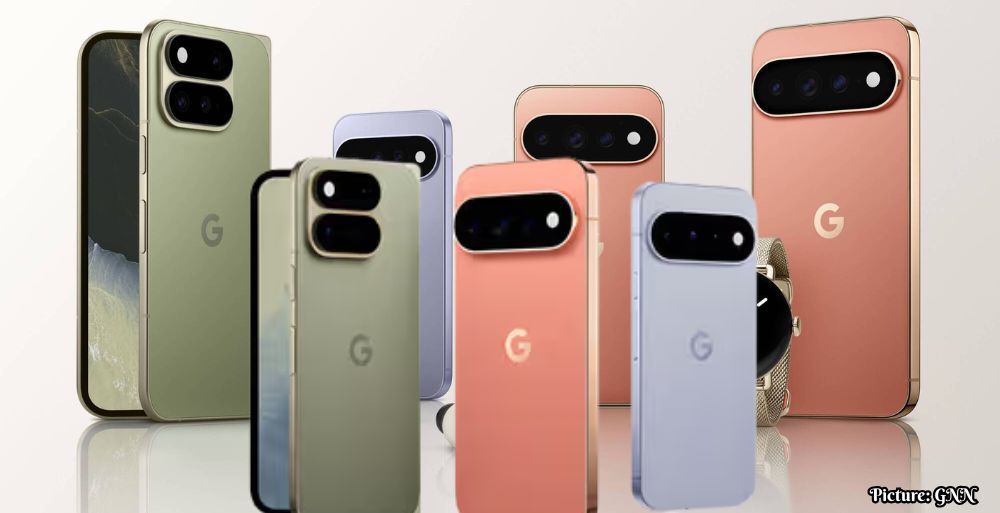
Google has officially launched its latest Pixel smartphone lineup, featuring advanced camera technology and artificial intelligence enhancements, aiming to broaden user engagement and increase market share in a competitive landscape.
On Wednesday, Google unveiled its new series of smartphones, the Pixel 11, Pixel 11 Pro, and Pixel 11 Pro XL, during a presentation that underscored the devices’ significant upgrades in technology and functionality. The announcement marks a continued effort by the tech giant to integrate more artificial intelligence (AI) features into its products, positioning itself as a leader in the smartphone market that increasingly emphasizes AI capabilities.
Enhancements in Product Specifications
The latest Pixel phones are now equipped with a minimum storage capacity of 256 gigabytes, effectively doubling the previous entry-level option. This change reflects a strategic effort to meet consumer demand for larger storage in an era of high-resolution photography and video. The pricing for the Pixel 11 series has also seen a notable increase, with the Pixel 11 starting at $900, the Pixel 11 Pro at $1,100, and the Pixel 11 Pro XL at $1,300. The new Pixel Pro Fold, which introduces a foldable design, is priced at $1,900. Each model represents a $100 increase compared to last year’s lineup, indicating Google’s confidence in the value of its new offerings.
In terms of battery performance, Google claims that the new devices will deliver up to 30 hours of battery life and will feature faster wireless charging capabilities. The company has also eliminated the 128-gigabyte Pixel 11 model from its offerings, signaling a shift in its pricing strategy and product focus.
Artificial Intelligence Features
Among the standout AI features introduced in the Pixel 11 series is the capability for live translation of videos, podcasts, and voice messages, which aims to enhance accessibility and user experience. Pro models will feature a unique tool called HiLight, enabling users to assign colors to their favorite contacts. The phone will then light up in that color for incoming calls when placed face down, complementing Google’s existing “Flip to Shhh” feature that activates do not disturb settings under similar circumstances.
In a bid to attract more users to its AI services, Google is offering a complimentary six-month subscription to its AI Pro plan for those who purchase the Pixel 11 Pro or Pixel 11 Pro XL. This initiative is designed to encourage the adoption of Google’s Gemini AI toolkit, which is positioned to compete with other prominent AI platforms, including OpenAI’s ChatGPT.
Camera Upgrades and Innovations
The camera systems in the new Pixel lineup have undergone significant improvements. The newly introduced Magic Capture mode allows users to capture a series of photos and videos with a single tap of the shutter button, streamlining the photography experience. Additionally, the cameras feature enhanced light sensitivity, particularly in the Pro models, which include an Instant Night Sight mode that captures images in low-light conditions more quickly, minimizing the need for stabilization while taking photos.
In a further expansion of its product ecosystem, Google has introduced the Pixel Tag, a tracking device priced at $30 for a single unit or $100 for a four-pack. This device is compatible with Android devices running version 9 or higher, reflecting Google’s strategy to create a comprehensive and interconnected suite of products.
Market Context and Competitive Landscape
Despite the advanced features and upgrades presented in the new Pixel series, Google continues to face significant competition in the smartphone market, particularly from Apple, whose iPhone remains a dominant player in terms of sales and brand loyalty. According to Forrester senior analyst Andrew Cornwall, Google’s strategy appears to hinge on promoting new software features, especially those driven by AI, as a compelling reason for users to upgrade their devices.
Since the integration of AI functionalities into its Pixel phones began in 2023, Google has been steadily enhancing its offerings. However, Apple’s recent advancements in AI technology, which focus on privacy and security, suggest that the competitive landscape is evolving. In June, Apple announced new AI features that leverage the Gemini AI model, raising questions about competitive parity in the rapidly changing AI landscape.
Conclusion and Future Implications
As Google rolls out the new Pixel 11 series, the company’s objective extends beyond merely upgrading user experience through innovative technology. It seeks to capture a larger share of the smartphone market amidst intensifying competition. Analysts will be closely monitoring consumer reactions and sales performance in the coming months to assess whether the new features and price increases resonate with users.
In summary, the launch of the Pixel 11 series signifies Google’s commitment to advancing smartphone technology through the integration of AI and improved hardware. The market’s response will ultimately determine the effectiveness of these strategies in solidifying Google’s position within the competitive smartphone landscape.