The 60th World Day of Peace, to be observed on January 1, 2027, will center on the theme “Disarming Technology, Serving Peace: Politics as Preventive Responsibility,” emphasizing the moral obligations of political leaders and the need for responsible AI use.
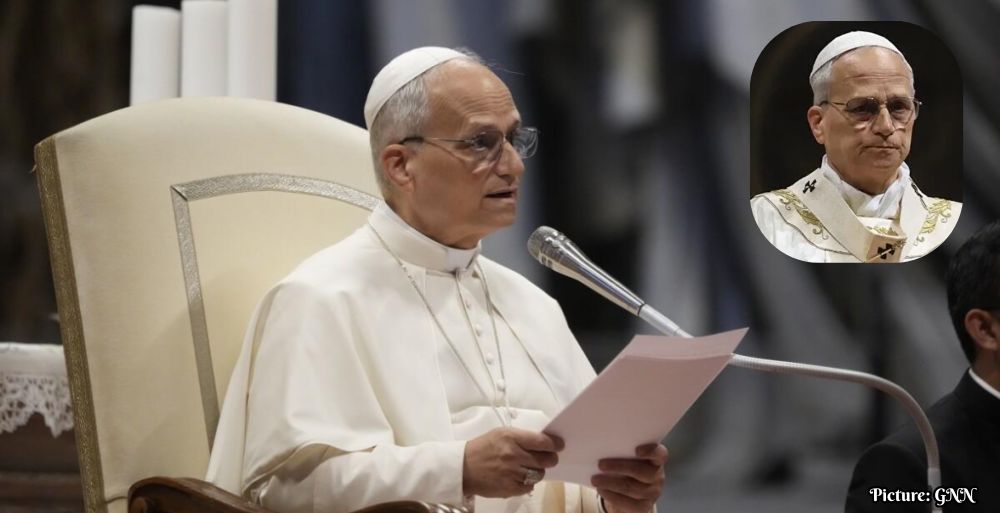
On January 1, 2027, the world will commemorate the 60th World Day of Peace, with Pope Leo XIV announcing the theme: “Disarming Technology, Serving Peace: Politics as Preventive Responsibility.” This announcement was made through a press release by the Dicastery for the Service of Integral Human Development, underscoring the Pope’s intention to spotlight the moral responsibilities of political leaders in matters of peace and security.
The Pope’s message aims to encourage a collective commitment to human dignity and the promotion of peace through the disarming of technology. This theme is particularly relevant in an age where technological advancements, especially in artificial intelligence (AI), pose significant moral and ethical challenges.
Historical Context of the World Day of Peace
The World Day of Peace was established by Pope Paul VI in 1967, as a day to reflect on the state of global peace and the role of the Catholic Church in promoting it. Each year, the Pope selects a theme to focus discussions and actions related to peace, often addressing contemporary issues that affect humanity. The 60th commemoration of this day signifies a milestone that calls for introspection and proactive measures in addressing the evolving landscape of conflict and technology.
The Call for Moral Responsibility
Pope Leo XIV’s statement emphasizes the phrase from his encyclical, Magnifica humanitas, noting that “there is no algorithm capable of making war morally acceptable.” This assertion raises critical questions about the role of AI in warfare, suggesting that the delegation of military decision-making to machines could undermine human ethical responsibility. The Pope’s appeal extends to all nations, advocating for agreements that prioritize human welfare and humanitarian principles in contexts where lives and peaceful coexistence are at stake.
At a presentation of his encyclical on May 25, 2026, in the New Synod Hall, Pope Leo described the document, which spans nearly 200 pages, as a comprehensive reflection on the implications of AI and new technologies. He articulated concerns about how these advancements are “radically changing the way in which war is waged,” suggesting a need for a paradigm shift in how technology is approached within the context of peacebuilding.
The Disturbing Conviction of Disarming AI
One of the most striking elements of the Pope’s message is his assertion that “Artificial Intelligence must be disarmed.” He acknowledged the gravity of this statement, stating, “I know the word is strong, but it was deliberately chosen because this moment needs words capable of attracting attention, awakening consciences, and pointing humanity towards paths to follow.” This call to action reflects a growing consensus among leaders and thinkers that the unchecked advancement of technology could lead to catastrophic consequences if not carefully regulated.
In the context of previous calls for nuclear disarmament, Pope Leo articulated a parallel between the responsibilities tied to nuclear energy and those associated with AI. He emphasized that technology should serve the common good and that decisions regarding its deployment must be rooted in ethical considerations and a sense of responsibility.
Building a Future Together
Pope Leo further elaborated on the concept of peace, arguing that it is more than just the absence of conflict; it is an active state of justice. He warned that technology, when it impairs our critical faculties, jeopardizes the very foundation of peace. Thus, the process of disarming technology is not merely about preventing harm but also entails the proactive work of building a just and equitable society.
Reflecting on his experiences during missionary work in Peru, particularly after natural disasters, Pope Leo noted that rebuilding is not just about replacing what has been lost. It involves mending relationships, restoring trust, and fostering hope for the future. This vision of collective rebuilding underscores the necessity of collaboration across diverse sectors—between those who create technology and those who experience its impacts, as well as between wealthier and poorer nations.
The Pope’s call for a united approach to directing AI toward the common good highlights the importance of including various stakeholders in discussions about technology, ensuring that solutions are not designed solely for the privileged but are accessible and beneficial for all of humanity.