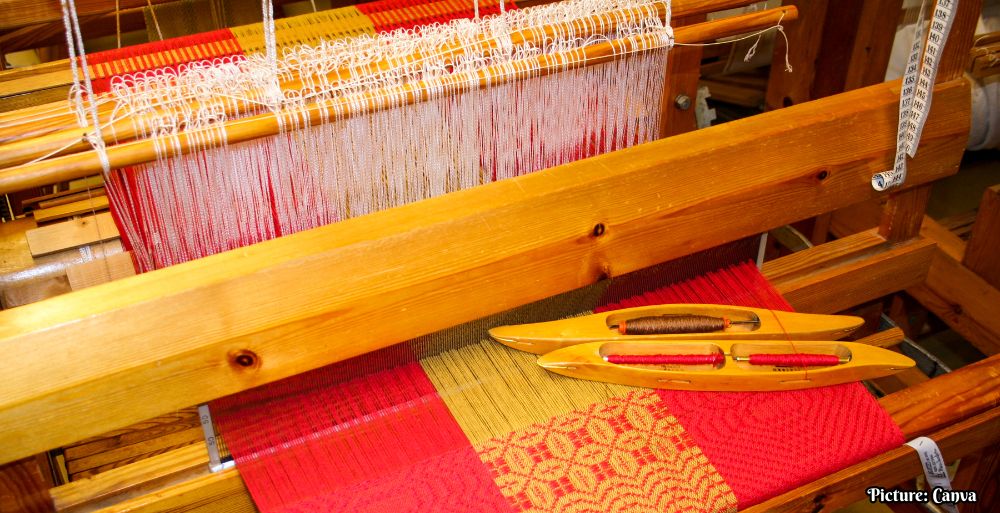
National Handloom Day on August 7, 2026, underscores the importance of India’s handloom sector, honoring the artisans and the unique weaves that contribute to the nation’s cultural identity and economic framework.
On August 7, 2026, India will commemorate National Handloom Day, an occasion dedicated to celebrating the country’s dynamic handloom industry and the skilled artisans who uphold this ancient craft. Established in 2015, the event aims to enhance awareness about the significance of handloom weaving in India’s economy and cultural identity.
The Role of Handloom in India’s Economy
The handloom sector plays a pivotal role in India’s economy, providing livelihoods for over 4.3 million weavers and allied artisans, primarily located in rural and semi-urban regions. According to the Ministry of Textiles, this sector not only serves as a critical source of income for many families but also functions as a vital arm of India’s cultural heritage. The diverse fabrics produced reflect the regional specialties and ethnic identities of the nation, offering a rich tapestry of colors, textures, and patterns.
From the luxurious Banarasi sarees of Uttar Pradesh, known for their intricate brocade work, to the vibrant Kanchipuram silks of Tamil Nadu, which embody the artistry of South Indian weaving, each region showcases its distinctive styles. The preservation and promotion of these unique weaves are essential for cultural conservation and economic sustainability, particularly in rural areas where traditional crafts are at risk of declining.
Historical Context of National Handloom Day
National Handloom Day was first observed on August 7, 2015, coinciding with the launch of the Handloom Mark scheme designed to certify the authenticity of handloom products. This initiative represents a significant governmental effort to support a sector that has historically faced challenges from mechanized textile production and changing consumer preferences.
The history of handloom weaving in India is deeply rooted, with references dating back thousands of years in ancient texts and artifacts. The craftsmanship has been passed down through generations, with many families maintaining traditional techniques. However, the post-independence period saw a decline in handloom production due to the rise of industrialization and globalization, which necessitated revitalization efforts to sustain this crucial industry.
Government Initiatives to Support Handloom Weaving
In response to the challenges faced by the handloom sector, the Indian government has implemented numerous initiatives aimed at bolstering the industry. Financial assistance programs, skill development training, and initiatives to enhance market access are crucial components of this support. The ‘National Handloom Development Programme’ is one such initiative focused on providing infrastructure and promoting handloom products through exhibitions and fairs.
Furthermore, the rise of e-commerce platforms has opened new avenues for handloom products, allowing artisans to reach broader audiences. This shift has become increasingly important in the wake of the COVID-19 pandemic, which highlighted the need for digital sales channels as traditional markets faced disruptions.
Challenges Confronting the Handloom Sector
Despite the various government efforts, the handloom industry continues to confront significant challenges. One of the foremost issues is competition from power looms and synthetic fabrics, which are often produced at lower costs. This competition has led to a decrease in demand for traditional handloom products, adversely affecting the livelihoods of many weavers.
Additionally, the sector grapples with limited access to credit, insufficient marketing strategies, and inadequate infrastructure, which further stymie growth. These challenges put many artisans in precarious positions, raising concerns about the sustainability of handloom weaving as a viable profession.
The Importance of Cultural Preservation
As National Handloom Day approaches, it serves as an important reminder of the need to preserve India’s rich textile heritage. The day not only honors the artisans who perpetuate these age-old traditions but also highlights the collective responsibility of the government, consumers, and industry stakeholders to support the handloom sector. By fostering an appreciation for handloom products and their cultural significance, there exists a genuine opportunity to ensure that these iconic weaves endure for future generations.
To reinforce this commitment, various organizations and initiatives are underway to promote awareness about the craftsmanship involved in handloom weaving. Campaigns that educate consumers about the benefits of choosing handloom products, both from a cultural and environmental perspective, are vital. Handloom fabrics are often more eco-friendly than their mass-produced counterparts, providing a sustainable alternative in an age of increasing environmental consciousness.
Looking Ahead: The Future of Handloom Weaving
As the fabric of India’s handloom sector continues to evolve, it becomes imperative for stakeholders to adapt to changing market dynamics while preserving traditional techniques. The future of handloom weaving hinges on innovation, with many artisans beginning to explore contemporary designs that appeal to modern consumers without losing the essence of their heritage.
In conclusion, National Handloom Day is not merely a celebration; it is a call to action for all stakeholders to engage in the preservation and promotion of India’s handloom industry. As artisans continue to weave the stories of our cultural heritage into their textiles, it is our responsibility to support and sustain their craft for generations to come.