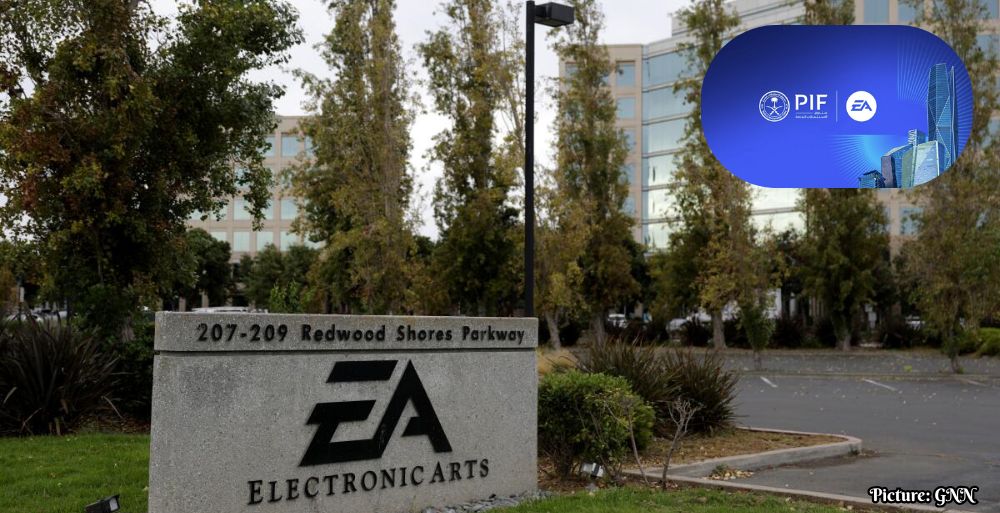
A consortium led by Saudi Arabia’s Public Investment Fund has finalized a $55 billion acquisition of Electronic Arts, marking a significant move in the gaming industry with implications for the company’s future direction.
A consortium spearheaded by the Public Investment Fund (PIF) of Saudi Arabia announced on Tuesday the completion of a monumental $55 billion acquisition of the video game maker Electronic Arts (EA). This deal indicates a strategic expansion of Saudi Arabia’s investments in sports and entertainment sectors, aligning with the kingdom’s broader economic diversification efforts.
The acquisition, which was confirmed by EA late on the same day, will result in the video game company ceasing its trading operations and being delisted from the Nasdaq stock exchange. Shareholders of EA are set to receive a cash payout of $210 per share as part of the transaction.
Investment Details and Financing
The PIF’s foray into the gaming industry is complemented by financing from private equity firm Silver Lake and Affinity Partners, a firm led by Jared Kushner, former President Donald Trump’s son-in-law. The deal is reportedly being financed through substantial debt, with the PIF expected to borrow approximately $20 billion from JPMorgan, the deal’s advisor, which is suggested to be the largest leveraged buyout in history.
This acquisition is part of a broader strategy by the PIF, as its head of international investments, Turqi Alnowaiser, emphasized the importance of entertainment and sports as key areas of focus for the fund. The investment aligns with Saudi Arabia’s Vision 2030 initiative, which aims to reduce the country’s dependence on oil by diversifying its economy.
Concerns Over Debt and Future Strategy
Despite the ambitious nature of the acquisition, analysts have raised concerns regarding the level of debt that EA will incur as a result of the deal. The financial burden may compel EA to focus on its most profitable franchises, such as The Sims, Battlefield, and various sports titles, while potentially stifling innovation and the development of new intellectual properties.
Michael Futter, founder of F-Squared, expressed skepticism about EA’s ability to manage its debt without significant restructuring. He noted, “The debt hanging over their head isn’t likely to create a shift in strategy. Instead, it will likely see leadership entrench themselves in the titles they think have the largest revenue potential, even if those also carry the largest risk.”
Futter further elaborated on the implications of the debt burden, stating, “I don’t know how EA is going to service this debt without significant layoffs, studio closures, and possibly IP sell-off.” This perspective reflects a broader concern among industry analysts regarding the sustainability of EA’s operations under the weight of such extensive financial obligations.
The Broader Impact on the Gaming Industry
The acquisition of Electronic Arts by the Saudi PIF is not just a pivotal moment for the company itself but also represents a significant shift in the gaming industry landscape. As the PIF continues to invest heavily in sports and entertainment, its influence on the gaming sector could reshape market dynamics and competitive strategies.
Historically, Saudi Arabia has sought to establish itself as a global player in various industries, leveraging its financial resources to invest in high-profile entities. The acquisition of EA underscores this ambition and raises questions about the future trajectory of the gaming industry, particularly in relation to how large-scale investments might affect innovation, competition, and consumer choice.
Moreover, this deal is likely to attract further scrutiny from regulators and industry stakeholders, particularly concerning the implications of foreign investments in domestic markets and the potential impacts on local job markets and creative sectors.
As the gaming community and industry watchers await the strategic decisions that will follow this unprecedented acquisition, the focus will be on how EA navigates its new financial landscape and whether it can maintain its status as a leader in the gaming domain amidst substantial financial pressures.
Strategic Implications for Saudi Arabia
The move to acquire Electronic Arts can also be seen as part of Saudi Arabia’s broader strategy to diversify its economy away from oil dependency. The Kingdom has been actively seeking investments in various sectors, including entertainment, technology, and tourism, as highlighted in its Vision 2030 framework. This acquisition is emblematic of that strategy, particularly in how it aligns with the global popularity of gaming and esports.
Saudi Arabia’s investments in the gaming industry have been increasing over the past few years, with the PIF already holding stakes in other gaming companies, including Activision Blizzard and Take-Two Interactive. By consolidating its position in the gaming sector through the acquisition of EA, Saudi Arabia aims to not only foster local talent and innovation but also position itself as a key player in the global gaming market.
Future Outlook
The acquisition of EA raises critical questions about the future of the gaming industry and the potential ramifications for players and developers alike. As the landscape evolves, stakeholders will be closely monitoring how the deal influences EA’s operations, particularly regarding its commitment to innovation and the development of new games.
As EA transitions into this new phase under Saudi ownership, the company will need to balance its debt obligations with the need for creative expansion in an increasingly competitive market. The outcome of this acquisition will likely have lasting effects not only on EA but also on the broader gaming industry, setting precedents for future foreign investments in gaming and entertainment sectors.
Industry experts and analysts will continue to track the developments of this deal, particularly how it affects EA’s portfolio of franchises and its corporate structure. The future of Electronic Arts, once a titan in the gaming industry, now hangs in a delicate balance as it navigates the complexities of significant financial challenges and the demands of its new stakeholders.