Connecticut’s hourly minimum wage will rise from $16.94 to $17.48 on January 1, 2027, marking the fourth consecutive increase as the state continues to adjust wages based on the federal employment cost index.
HARTFORD, CT — Connecticut officials confirmed on Wednesday that the state’s minimum wage will increase from $16.94 to $17.48, effective January 1, 2027. This announcement represents the fourth annual adjustment to the minimum wage since Connecticut linked future increases to the federal employment cost index (ECI), a formula that reflects changes in wages and salaries for civilian workers.
The timing of this announcement, made a month earlier than in prior years, coincided with Governor Ned Lamont’s press conference held outside a Big Y supermarket in West Hartford. This timing has raised questions, given its proximity to the Democratic primary for governor scheduled for next week. However, Labor Commissioner Danté Bartolomeo insisted that the early announcement was purely coincidental.
Legislative Background of the Minimum Wage Increase
The minimum wage law, which was enacted in 2019 during Governor Lamont’s first term, originally aimed to increase the hourly minimum wage from $10.10 to $15 over five years. This gradual increase was designed to provide a cushion for businesses while addressing the needs of low-wage workers. The law mandated annual increments of approximately $1, transitioning to adjustments based on the ECI thereafter.
According to the legislation, the Labor Commissioner is required to announce the adjustments publicly by October 15 of each year, using data collected through the previous June. Bartolomeo has interpreted this requirement flexibly, allowing for earlier announcements. In 2022, for instance, the administration announced the increase on September 3, just after Labor Day.
The new wage adjustment will provide an additional $21.60 per week for workers employed full-time, which translates into a 3.2% increase. This adjustment is seen as a necessary measure to help mitigate the effects of inflation, reduce wage disparities, and promote economic stability. Governor Lamont emphasized the importance of supporting essential workers, stating, “Pay the essential workers a little more. They deserve it.”
Reactions from Business and Labor Leaders
The announcement was met with a relatively muted response from business leaders, reflecting a shift in the conversation surrounding minimum wage policies. Wayne Pesce, president of the Connecticut Food Association, was present at the event and noted the transition in attitudes toward the minimum wage. In 2019, Pesce had opposed the initial minimum wage bill, arguing for a more gradual six-year phase-in period rather than the five-year model adopted by the legislature. However, during Wednesday’s announcement, he remarked, “It’s settled business,” indicating acceptance of the current framework.
Senator Julie Kushner, a Democratic lawmaker from Danbury and co-chair of the Labor and Public Employees Committee, underscored the significance of indexing the minimum wage to provide stability for low-wage workers who had historically faced lengthy periods without wage adjustments. “The governor was totally on board, had campaigned on this issue, as well as the House. We had a trifecta,” Kushner stated, referring to the Democratic control of the governor’s office and both chambers of the General Assembly. “We knew we could get this done. But what we did that was so critically important is that we indexed this so that we wouldn’t get stuck again,” she added, highlighting the legislative intent behind the indexing mechanism.
Comparative Analysis of Minimum Wage Policies
As of January 1, 2027, Connecticut’s minimum wage will rank among the highest in the United States. Currently, Washington state holds the highest state minimum wage at $17.13, which is also set to increase based on the consumer price index. Meanwhile, California has set a minimum wage of $20 for workers in national fast-food chains, reflecting a broader trend among states that prioritize increasing wages in response to rising inflation and living costs.
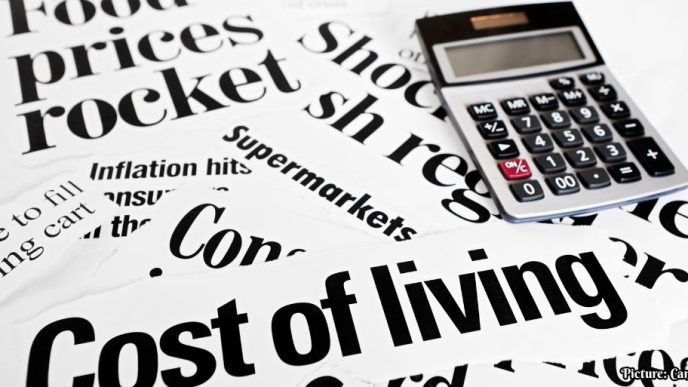
These adjustments come at a time when inflation remains a considerable concern across the country, affecting both workers and employers. The ongoing dialogue regarding minimum wage adjustments illustrates the complexities of labor economics, especially as states navigate the balance between providing fair wages and ensuring the viability of businesses.
Connecticut’s decision to index its minimum wage adjustments to the ECI may serve as a model for other states grappling with similar economic challenges. The implications of this policy will be closely monitored as the state prepares to implement the new wage rate in 2027, and as other states consider their own minimum wage policies in light of inflationary pressures and economic conditions.
The dialogue surrounding minimum wage laws is expected to continue, especially as advocates push for higher wages to ensure that workers can meet the rising costs of living. While some business leaders have expressed concerns about the impact of rising wages on operational costs, the prevailing sentiment among lawmakers appears to favor the benefits of providing higher wages to essential workers.