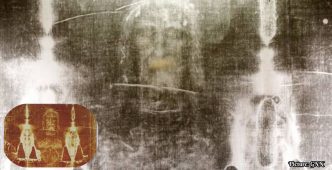
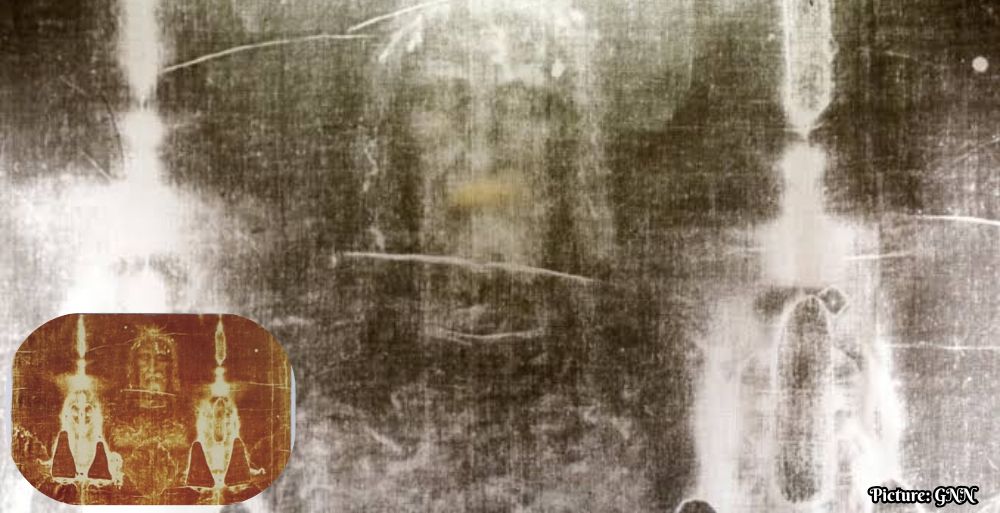
New DNA analysis of the Shroud of Turin has uncovered a complex biological record, enhancing our understanding of this historically significant artifact.
The Shroud of Turin, a linen cloth that has long been regarded by some as the burial shroud of Jesus Christ, continues to evoke fascination and debate among historians, scientists, and the public. A recent study published in the journal Scientific Reports has employed advanced genomic sequencing techniques to analyze samples taken from the Shroud in 1978, revealing a rich tapestry of biological material that has accumulated on the cloth over the centuries.
Advanced Genomic Techniques Unveiled
Led by Professor Noemi Procopio from the University of Lancashire, this international research team utilized rigorous PCR-free next-generation metagenomic sequencing to examine the genetic material embedded within the Shroud’s fibers. This innovative method has provided researchers with the most comprehensive account to date of the biological entities present on the artifact, expanding our understanding of its interaction with various environments and organisms over time.
The findings from this study indicate that several human mitochondrial DNA lineages were detected, alongside a diverse array of microorganisms, including bacteria, fungi, and salt-loving archaea. Additionally, the research identified DNA from cultivated plants, domesticated animals, and Mediterranean red coral, suggesting that the Shroud has been in contact with a wide spectrum of environments and individuals throughout its extensive history.
Implications for Historical Understanding
Importantly, the researchers clarified that the study does not aim to determine the Shroud’s age or authenticity. Instead, it serves to highlight the utility of forensic genomics and proteomics in reconstructing the biological narratives of culturally significant artifacts. Given that the Shroud has been handled and exposed to various environmental conditions for centuries, isolating any original DNA that may have once been present is not feasible. Nevertheless, the advanced metagenomic techniques employed in this study yield valuable insights regarding the Shroud’s preservation and the cultural exchanges it has undergone over time.
Biological Signatures from Diverse Sources
This analysis revealed a rich array of biological signatures, including plant materials such as cultivated wheat, carrots, maize, bananas, and peanuts. Researchers also identified animal DNA from species including cattle, pigs, chickens, dogs, and cats. Collectively, these findings offer new clues about the Shroud’s handling, storage, and movement across different geographic regions throughout its storied past.
Professor Procopio remarked, “The Shroud of Turin continues to fascinate historians, scientists, and the public, and we’re thrilled to reveal new information about the biological complexity preserved within samples collected almost 50 years ago by applying new cutting-edge forensic DNA technologies. The Shroud represents a rich archive of genetic information that has accumulated over centuries of human interaction and environmental exposure. While the DNA evidence cannot answer all the questions about the age or authenticity of the cloth, it provides novel insights into its biological history and demonstrates how advances in forensic science can unlock new information from historical artifacts.”
Context of the Shroud’s Historical Significance
The Shroud of Turin has been a focal point of religious and scientific inquiry for centuries. Its origins and the authenticity of the image it bears have been widely debated among theologians, historians, and scientists alike. The cloth gained fame in the 14th century when it was first displayed in France, and it has been housed in various locations since then, including its current home in the Cathedral of Saint John the Baptist in Turin, Italy.
In previous decades, carbon dating tests conducted in the late 1980s suggested that the Shroud originated in the Middle Ages, leading many to question its association with the crucifixion of Jesus. However, subsequent studies indicated that the dating methods might have been influenced by contamination and other factors. The current study, while not addressing these dating controversies directly, enriches the ongoing dialogue surrounding the Shroud by providing a deeper understanding of its biological history.
Future Directions in Research
As forensic science continues to evolve, the methodologies applied in this study could pave the way for further research into other historical artifacts. The use of advanced genomic technologies holds promise for revealing new dimensions of understanding about objects that have shaped cultural and historical narratives. This research exemplifies how modern scientific techniques can be harnessed to explore the past, enhancing our appreciation of artifacts that hold significant cultural and historical value.
Ultimately, the latest findings regarding the Shroud of Turin contribute to a growing body of knowledge about the intersection of science, history, and cultural heritage. As researchers continue to explore the complexities of this artifact, the Shroud remains a powerful symbol of faith and inquiry. The integration of cutting-edge science with historical investigation exemplifies the ongoing quest for understanding the past, while also highlighting the Shroud’s role in contemporary discussions about authenticity, faith, and the human experience.